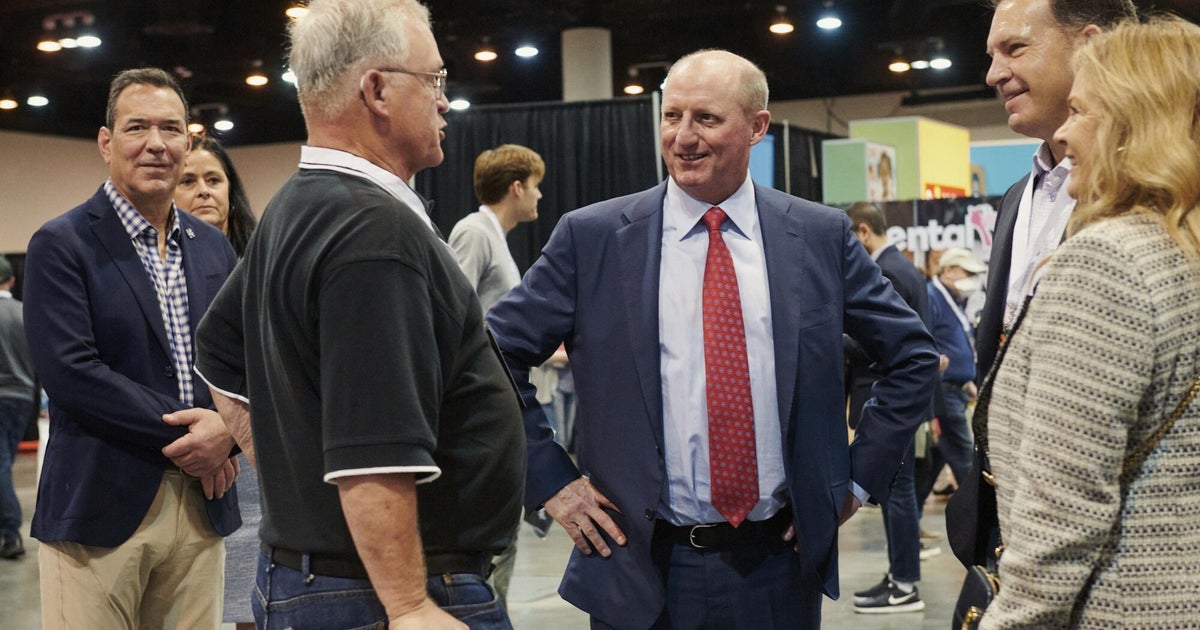
Warren Buffett, 95, has stepped down as CEO of Berkshire Hathaway and handed operational control to Greg Abel, 63, who previously ran MidAmerican/Berkshire Hathaway Energy and oversaw its growth into a leading wind-energy producer. Buffett remains chairman and will continue to work closely with Abel, who has signaled continuity with Berkshire’s decentralized model while making some leadership adjustments (including appointing NetJets CEO Adam Johnson to oversee consumer, service and retail businesses). Investors should note near-term implications include potential for a more hands-on CEO, renewed pressure for dividends given the company’s size and slower acquisition-driven growth, but no indication of radical strategic change. Analysts view Abel favorably, and the transition is likely to influence investor positioning over the medium term rather than trigger immediate radical shifts in operations.
Market structure: Abel’s elevation is a structural positive for renewable-utilities (Berkshire Hathaway Energy) and disciplined capital allocators; expect modest re-rating of BRK.B as governance risk declines and the market prices potential for dividends or more active M&A. Large-cap PE compression is unlikely because Berkshire’s size (> $100B cash-like resources historically) keeps it out of small-ticket deal competition, so winners are large industrials, utilities and private equity sellers of mid-cap assets. Cross-asset: modestly lower equity risk-premium for BRK.B should reduce its implied vols; corporate bond spreads for high-quality industrials could tighten 10–25bp if Berkshire deploys cash into buyouts or takes minority stakes.
Risk assessment: Immediate risk is a volatility spike/directional sell-off in days after any headline misstep; short-term (weeks–months) risks include management churn across subsidiaries and activist pressure for dividends; long-term (years) risk is loss of decentralized culture that could shave 3–7% annual EBITDA growth from subsidiaries if centralized. Tail risks: sudden Buffett exit from active chair role, a large bad acquisition (> $5bn) by new management, or regulatory moves against utilities/renewables could each trigger >20% drawdowns in BRK.B. Key hidden dependency is Buffett’s soft power — headlines may understate how long he will influence capital allocation; catalysts to watch: first dividend announcement or >$10bn acquisition within 6–12 months.
Trade implications: Direct play — consider establishing a 2–3% long position in BRK.B (BRK.B) on any pullback ≥3% in next 4 weeks, target 12–18% upside over 12 months, stop-loss 8%. Pair trade — long BRK.B vs short SPY (equal notional) as a relative-value hedge for 6–12 months; expect BRK.B to outperform if market rotates to cash-flow reliability. Options — buy 12–18 month LEAP call spread: buy 5–10% ITM call and sell 20% OTM call to finance; alternatively sell a 3-month covered call if initiating long to collect premium and reduce cost basis. Rotate modest overweight to Utilities (XLU) and Industrials (XLI) and underweight small-cap M&A candidates (IWM) for 3–12 months.
Contrarian angles: Consensus assumes continuity with Buffett but underprices operational tightening — if Abel centralizes and introduces modest dividends, multiple expansion could be 5–15% above today; conversely, too much centralization risks operational margin erosion that the market will punish. Historical parallels: leadership transitions at other conglomerates (GE, 2001–2015) showed multi-year underperformance when culture shifted; monitor three concrete signals in 90–180 days — appointment of a new capital-allocation CFO, first quarter with >$2bn buyback/dividend, or a >$5bn acquisition — any of these should trigger rebalancing.
AI-powered research, real-time alerts, and portfolio analytics for institutional investors.
Request DemoOverall Sentiment
mildly positive
Sentiment Score
0.28
Ticker Sentiment
