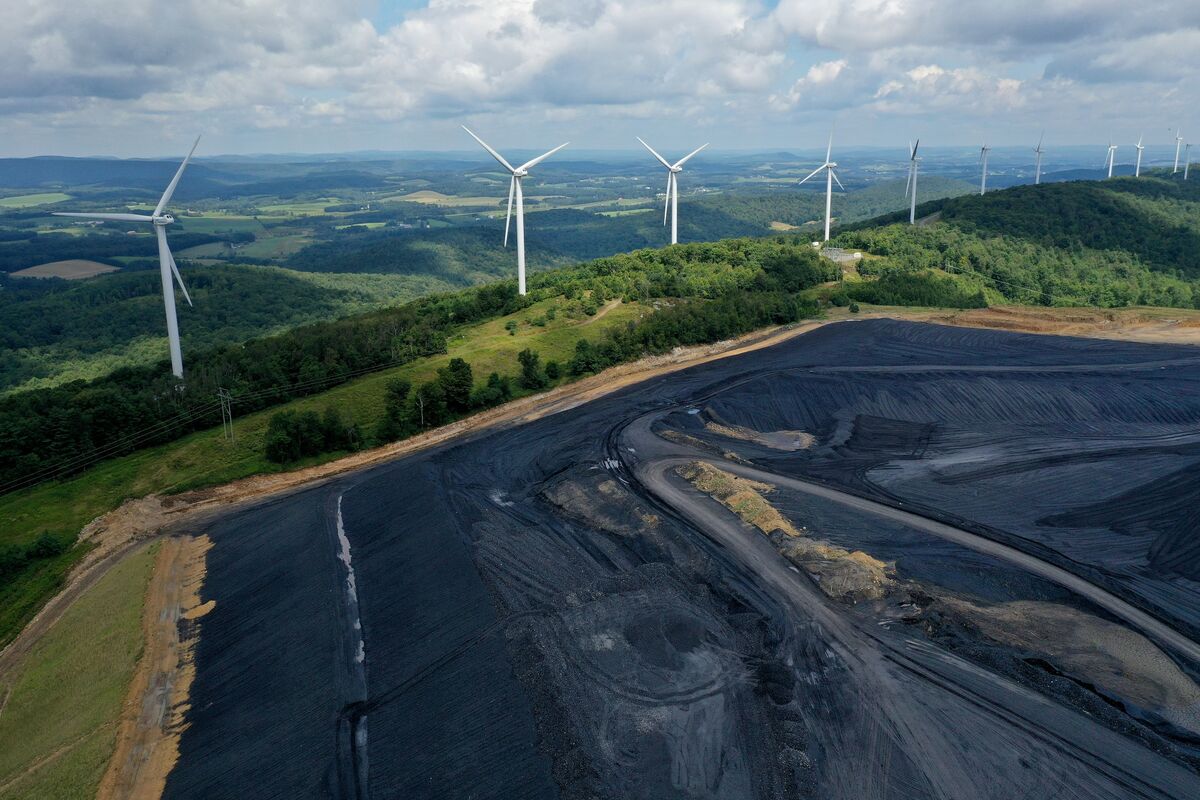
The Senate's proposed GOP tax bill includes energy provisions that significantly escalate the assault on renewable energy, accelerating tax credit phase-outs for grid-scale wind and solar projects while introducing new penalties and tightening regulations related to foreign entity of concern (FEOC) stipulations. Concurrently, the bill unexpectedly adds a new tax credit for metallurgical coal. This policy shift is poised to destabilize the future power grid by hindering renewable capacity growth precisely as AI-driven electricity demand surges, potentially undermining U.S. competitiveness in critical 21st-century sectors.
The Senate's proposed Republican tax bill introduces significant legislative headwinds for the U.S. renewable energy sector, signaling a policy shift that favors legacy energy sources. The bill intensifies the previously outlined pressure on renewables by accelerating the phase-out of tax credits for grid-scale wind and solar projects. Critically, it also introduces a new punitive tax on projects that violate Foreign Entity of Concern (FEOC) stipulations, a measure more severe than the previous policy of simply denying tax credits, and simultaneously tightens the FEOC regulations themselves. In a contrasting move, the bill provides a new tax credit for metallurgical coal, underscoring a deliberate pivot in energy policy. This legislative direction is particularly noteworthy given its timing, as it coincides with a widely anticipated surge in electricity demand driven by the expansion of artificial intelligence. The potential outcome is a constrained power supply, which could destabilize the U.S. power grid and impede the growth of energy-intensive industries, thereby potentially undermining American competitiveness in key 21st-century technologies.
AI-powered research, real-time alerts, and portfolio analytics for institutional investors.
Overall Sentiment
strongly negative
Sentiment Score
-0.75
