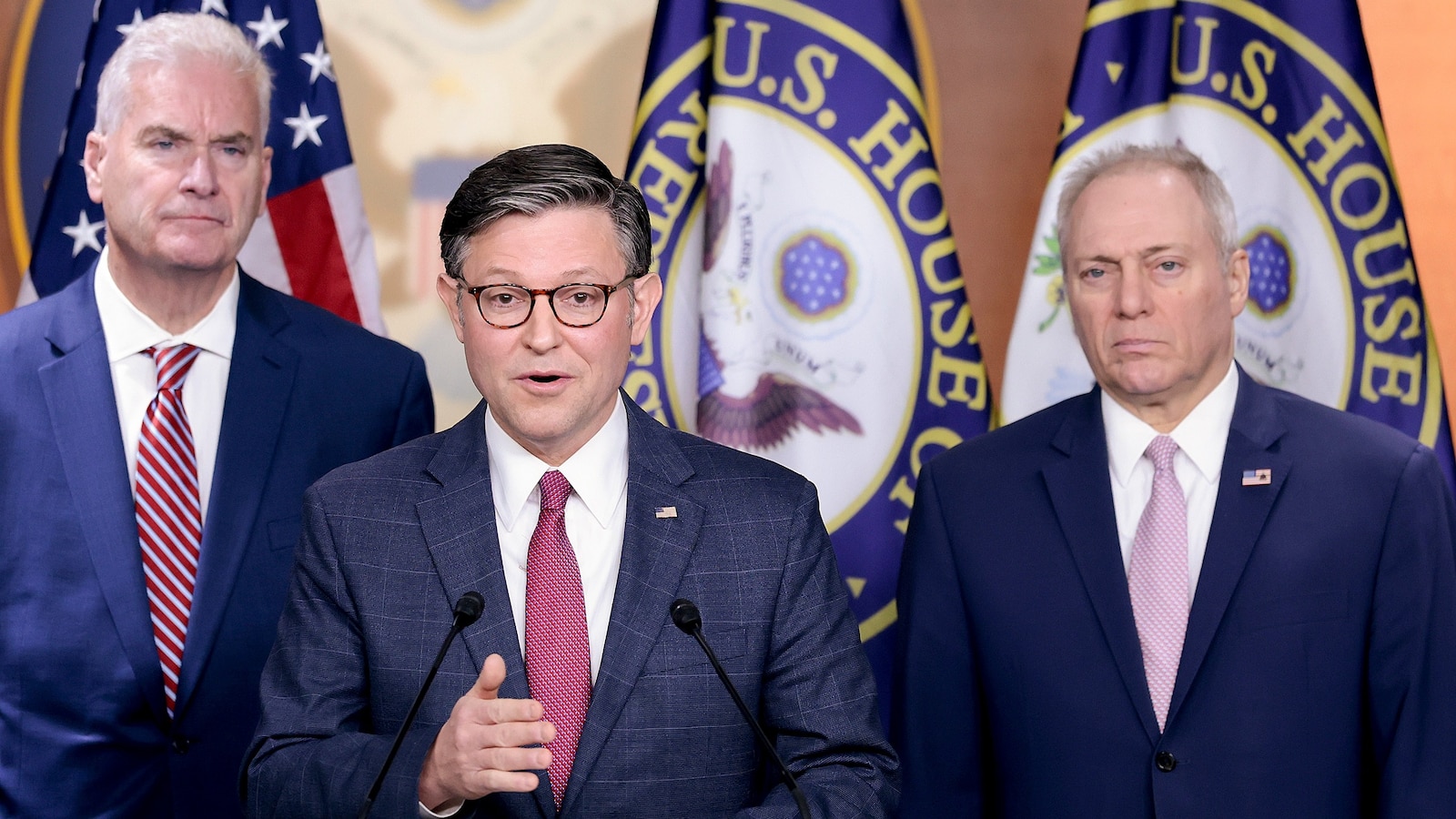
House Republicans, led by Speaker Mike Johnson, unveiled a 111-page health-care package focused on cost reduction that would expand association health plans and CHOICE arrangements, impose new pharmacy benefit manager transparency rules, and fund cost-sharing reductions, but explicitly does not extend expiring enhanced ACA premium subsidies or add money to health savings accounts. GOP leaders plan a House markup Tuesday and a floor vote next week and are still debating an amendment to extend the subsidies, while President Trump signaled support for directing aid to patients through insurance accounts and left the possibility of subsidy extensions with caveats. With the Senate unlikely to act and two competing Senate proposals having already failed, the enhanced subsidies are all but certain to lapse, a move Democrats warn will push up individual-market premiums and raise near-term policy and market uncertainty.
House Republicans released a 111-page health-care package led by Speaker Mike Johnson that seeks to lower costs by expanding association health plans and CHOICE arrangements, imposing new transparency requirements on pharmacy benefit managers (PBMs), and appropriating funds for cost-sharing reductions, while explicitly not extending expiring enhanced Affordable Care Act (ACA) premium subsidies and not adding funds to health savings accounts. The bill targets market structure (association plans), PBM practices, and premium relief mechanisms rather than direct continuation of ACA tax credits, and GOP aides are still discussing a possible amendment to extend subsidies.
Procedurally, the Rules Committee will mark up the measure at 2 p.m. Tuesday with a House floor vote planned next week — the last legislative week the House expects to be in session in 2025 — and leadership intends to vote on any subsidy-extension amendment before the underlying bill. President Trump signaled support for directing aid to patients through insurance accounts while remaining open to limited subsidy extensions with caveats, but the Senate is unlikely to act next week and two competing Senate proposals already failed.
The near-term market implication is elevated policy risk and uncertainty: the article and sentiment outputs characterize the development as mildly negative and uncertain, and note that enhanced subsidies are all but certain to lapse absent rapid action, likely pressuring individual-market premiums and increasing political scrutiny. Key risks for investors are the actual House vote outcome, any amendment language on subsidies, and subsequent Senate or executive responses that could reverse or mitigate premium impacts.
AI-powered research, real-time alerts, and portfolio analytics for institutional investors.
Request DemoOverall Sentiment
mildly negative
Sentiment Score
-0.35
