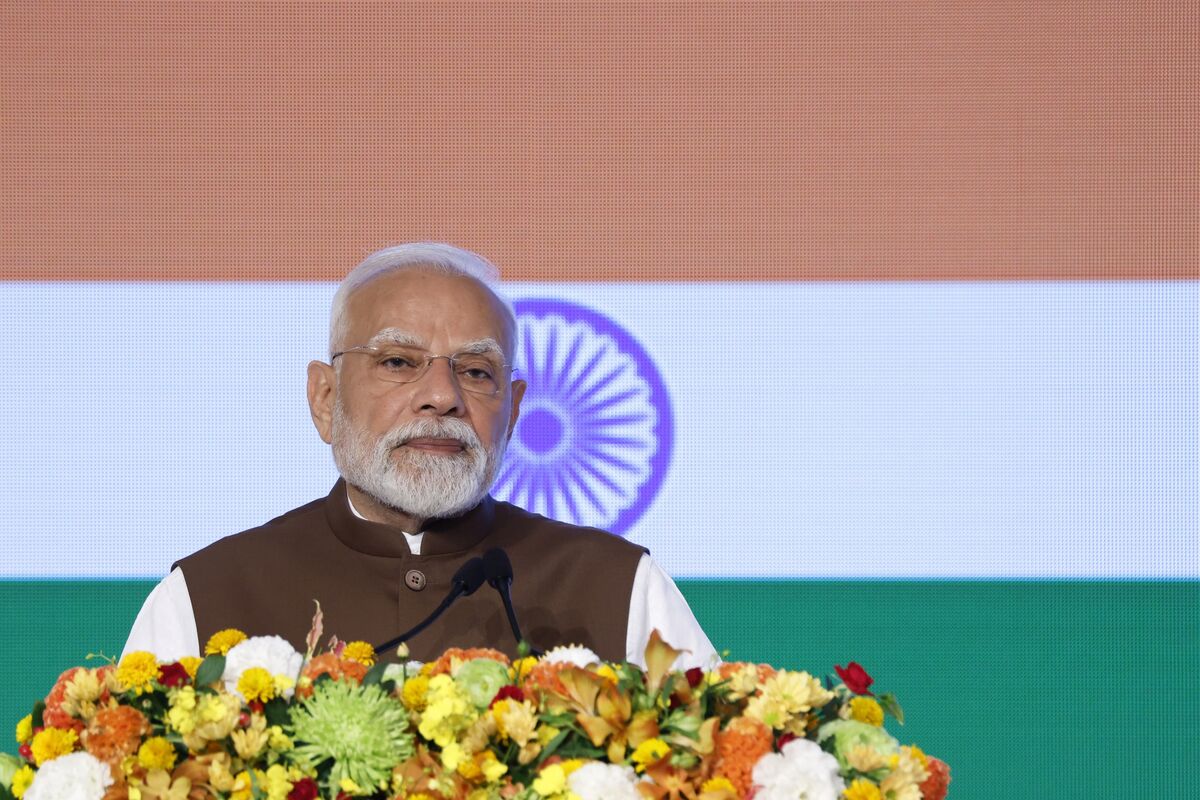
Millions of voters in India's poorest state, Bihar, are participating in an election seen as a crucial test of Prime Minister Narendra Modi's support following a tumultuous year in office. Modi's Bharatiya Janata Party (BJP), currently leading a coalition in the 243-member legislature, aims to retain power, with results anticipated on November 14. This election serves as a significant barometer of political stability and public sentiment towards the current administration, which could influence future policy direction and investor confidence in India.
The ongoing Bihar state election, with voting concluding on November 11 and results due November 14, serves as a crucial political barometer for Prime Minister Narendra Modi's administration. His Bharatiya Janata Party (BJP), currently in a coalition, is seeking to retain power in India's poorest state, making this a significant test of public sentiment following a 'tumultuous year' in office. The election's outcome is expected to reflect the current strength of Modi's support base.
While the immediate market impact is assessed as low (0.1) and overall sentiment remains neutral, the results could significantly influence future policy direction and broader investor confidence in India. A strong performance by the BJP would likely signal continued political stability and reinforce the government's mandate for its economic agenda.
Conversely, an unfavorable result could introduce uncertainty regarding the government's ability to implement reforms and potentially temper investor enthusiasm. Given Bihar's socio-economic profile, the election's outcome may also offer insights into broader national political trends and public satisfaction with the current administration's performance.
AI-powered research, real-time alerts, and portfolio analytics for institutional investors.
Request DemoOverall Sentiment
neutral
Sentiment Score
0.00
