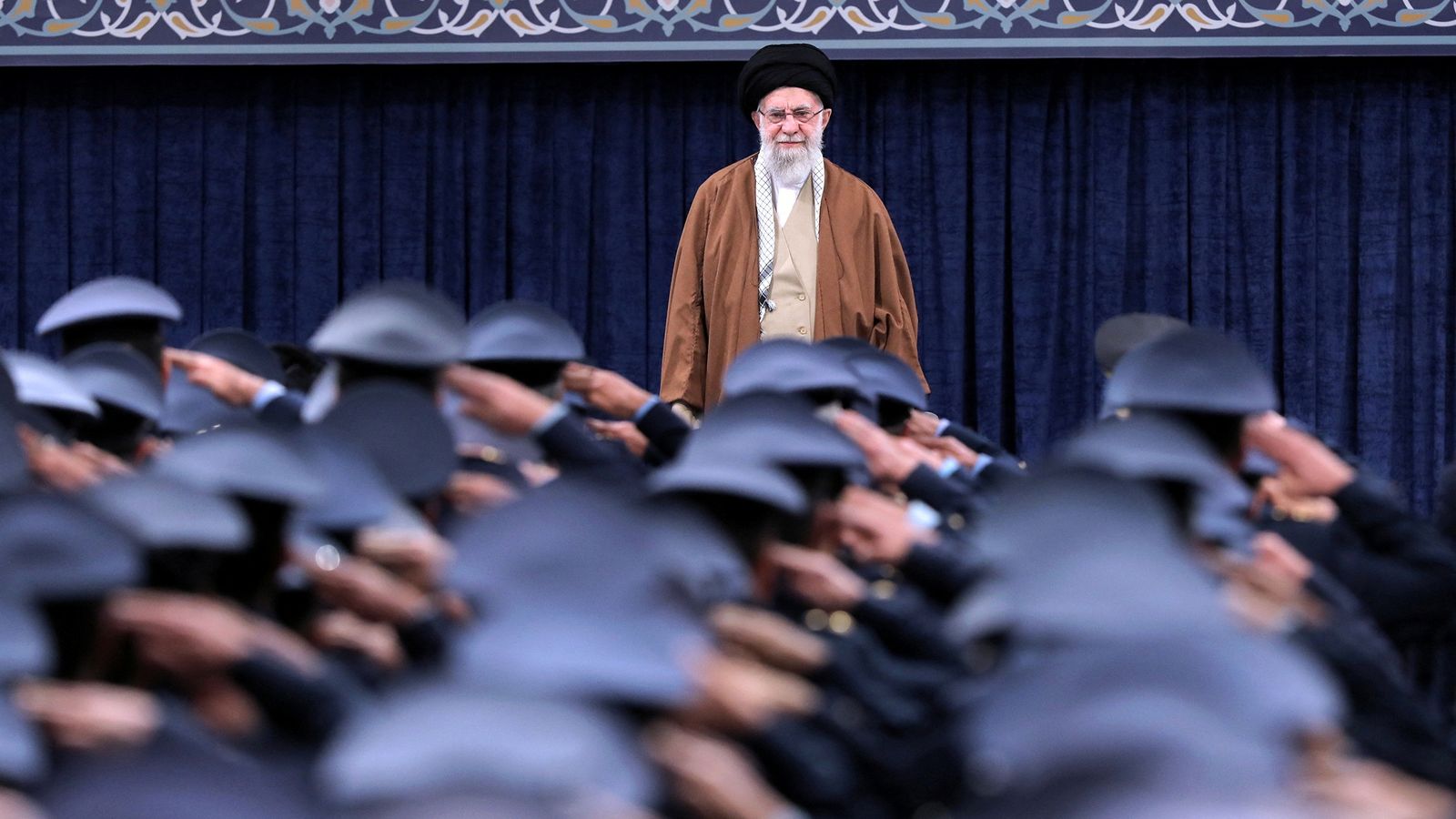
Following US military intervention in the conflict between Israel and Iran, tensions have escalated, creating a precarious situation for Ayatollah Ali Khamenei and the Iranian government. The US strikes targeted Iranian nuclear facilities, prompting national humiliation and anger within Iran, while also degrading its defense capabilities, including proxies like Hezbollah and Hamas. Iran faces the dilemma of choosing between a potentially devastating escalation with the US or a capitulation that could trigger domestic dissent and irreparable reputational damage, with potential responses ranging from attacks on US bases to targeting Gulf oil facilities or the Strait of Hormuz.
The direct US military intervention targeting Iran's nuclear facilities has critically escalated the regional conflict, introducing a phase of high uncertainty and significant market risk, reflected by a market impact score of 0.85 and a deeply negative sentiment score of -0.8. Strategically, Iran is in a precarious position; its nuclear program is reportedly in tatters, and its primary proxies, Hezbollah and Hamas, are described as severely degraded. This leaves the Iranian leadership facing a difficult choice with no favorable outcomes. A retaliatory strike, potentially on US regional bases or Gulf oil infrastructure including the Strait of Hormuz, is necessary to project strength domestically but risks a devastating and potentially regime-ending counter-response from the US. Conversely, capitulation could trigger major domestic dissent and an irrecoverable loss of face. The market implications are centered on this binary choice, with the most direct threat being a severe disruption to global energy supplies should Iran choose to escalate by targeting oil facilities.
AI-powered research, real-time alerts, and portfolio analytics for institutional investors.
Overall Sentiment
Negative
Sentiment Score
-0.80
