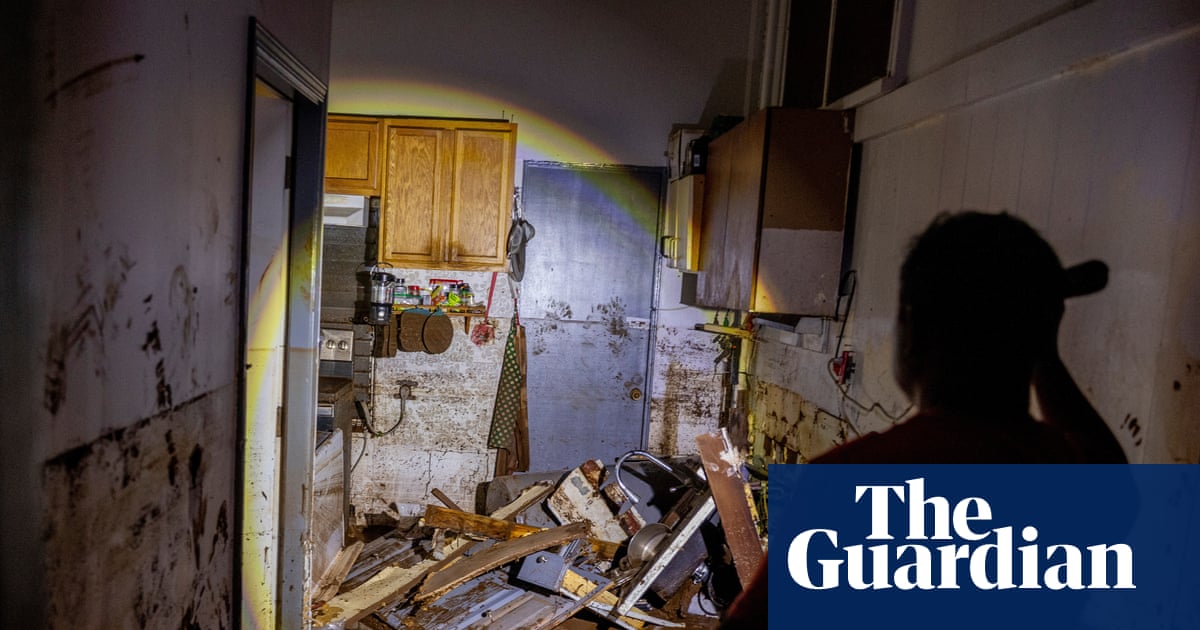
More than 200 people were rescued as Hawaii experienced its worst flooding in over 20 years, with widespread damage to homes, farms, roads, airports and a Maui hospital; the governor said storm costs could top $1m. A 120-year-old dam was reported at risk and a boil-water notice covered large North Shore areas; assessment crews are deployed and rain is easing with isolated flooding still possible. Expect localized impacts to regional infrastructure, elevated insurance and reconstruction activity, and short-term disruption to tourism and transport on Oahu and Maui.
This event is a concentrated shock with outsized second-order effects on three cash flows: near-term demand for remediation and building materials, medium-term pressure on local government and utility balance sheets, and faster reinsurance repricing over 12–36 months. Shipping frictions from West Coast ports plus premium for inter-island freight will amplify the cost of reconstruction, meaning a 10–20% realized margin boost for local contractors is unlikely to translate into immediate lower prices for consumers—suppliers with national footprints capture most upside.
Insurers and reinsurers face headline risk now but the more important dynamic is rate reset: if loss activity in the Pacific corridor becomes more frequent, expect 1–2 full points of rate-on-line increases for reinsurance renewals within the next 6–12 months. That makes short-duration protection (puts) a cheap asymmetric hedge today; conversely, B2B building-material names can lock in higher pricing and should see margin resilience even if unit volumes lag.
Municipal balance sheets and utilities are the slow-burning story. Expect state/federal transfers and FEMA involvement within 30–90 days that will backstop most general-obligation stress, while regulated utilities with visible need for resilience upgrades can propose rate-base increases—creating a 12–24 month runway for earnings accretion despite near-term cash calls.
The consensus reaction will bifurcate: knee‑jerk underweight to insurers/reinsurers and transient hits to tourism names. We see that as a financing and policy catalyst opportunity—buy and hold names that will benefit from adaptation capex, hedge event risk with short-dated options, and monitor reinsurance renewals as the key 6–12 month catalyst.
AI-powered research, real-time alerts, and portfolio analytics for institutional investors.
Request DemoOverall Sentiment
moderately negative
Sentiment Score
-0.60
