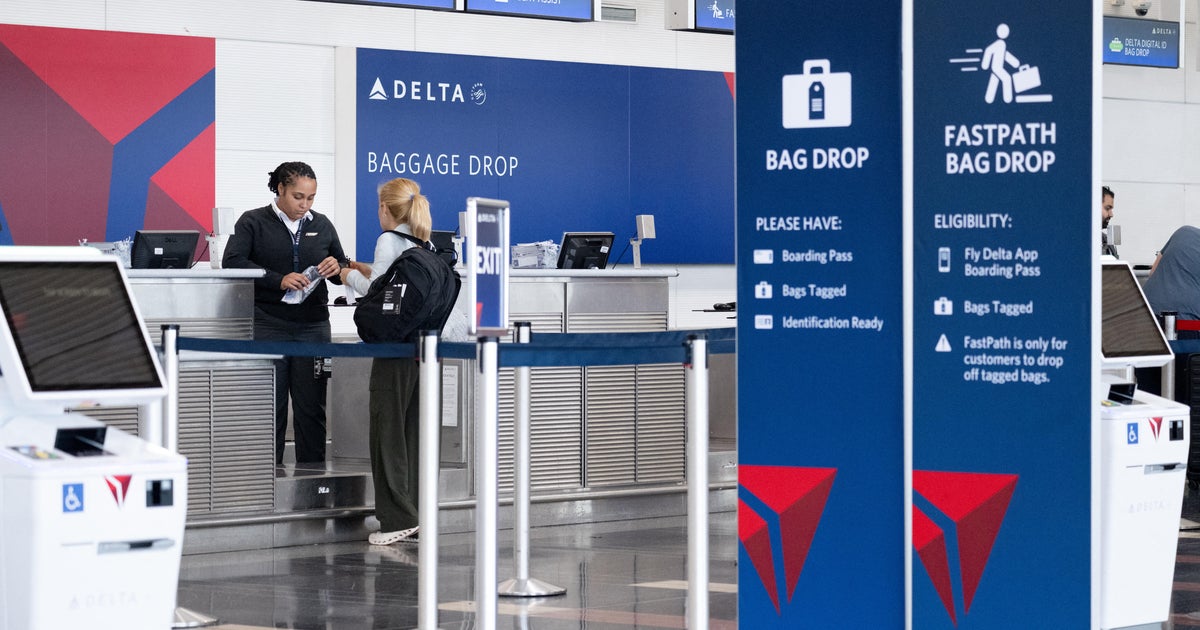
Delta increased checked-bag fees effective Wednesday: first and second bags up $10 to $45 and $55, respectively, and the third bag up $50 to $200. The carrier cited rising jet-fuel costs tied to the Iran war; jet fuel was $209/barrel for the week ending April 3, up 132% year-over-year. Deutsche Bank warns the U.S. airlines could face 'tens of billions' in added fuel costs and estimates a $2/gal jet-fuel rise would require roughly a 17% (~$50) across-the-board fare increase to fully offset. The move is sector-negative — margin pressure for airlines and higher consumer travel costs — and could modestly affect airline equities.
Delta’s bag-fee change is not just a revenue grab — it’s a signalling move that compresses the leisure price corridor while protecting premium corporate revenue. Small headline increases ($10–$50) act like a lever: given typical check rates (order of magnitude 20–40% of pax for first/second bags), an incremental $10 on the first bag lifts system RASM by a few percent without changing capacity, effectively transferring more of the fuel shock to low-elasticity parts of the customer base over the next 1–3 quarters.
The coordinated nature of similar moves at other legacy carriers reduces competitive undercut risk and raises the value of co-branded card relationships and status tiers — Delta’s waivers for premium customers consolidate demand at the top of the yield curve and strengthen AmEx-style card economics. Second-order, expect higher demand for refundable fares, more carry-on congestion (which can increase ground turn friction), and modest upward pressure on cargo yields as airlines try to offset fuel via ancillary and yield management rather than marginal capacity growth.
Key tail risks are de-escalation in the Strait of Hormuz or a sudden material drop in ULSD futures which would make the fee hikes look defensive rather than strategic, prompting competitive fare moves within 30–90 days. Regulatory or political pushback (Congressional hearings, DOJ attention to perceived collusion on ancillary fees) is lower probability but asymmetric — it could force fee rollbacks or increased disclosure, affecting sentiment sharply over weeks rather than months.
AI-powered research, real-time alerts, and portfolio analytics for institutional investors.
Request DemoOverall Sentiment
mildly negative
Sentiment Score
-0.25
Ticker Sentiment
