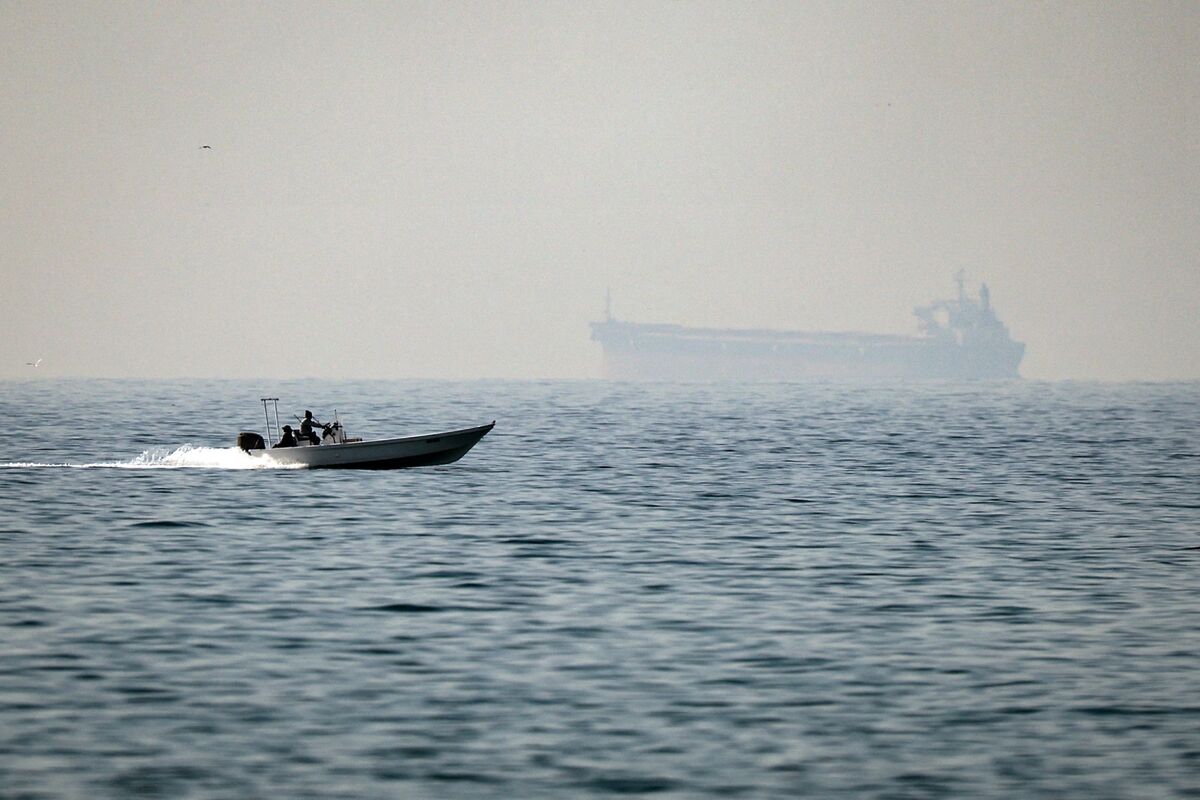
An oil supertanker carrying Iraqi crude, the Agios Fanourios I, came to a halt after exiting the Strait of Hormuz and before reaching the Arabian Sea. The vessel had loaded crude from the Basra Oil Terminal last month and crossed Hormuz over the weekend, according to tracking data. The report is a cautionary signal for regional oil transport flows, though it does not confirm a major disruption or incident.
A vessel stalling at the exit of the Gulf is less about one ship and more about the market being forced to price a non-zero probability of a corridor disruption. That matters because oil logistics are path-dependent: even a brief, uncertain delay can lift prompt freight, raise war-risk premia, and widen regional crude differentials before any barrels are actually lost. The first-order move is usually in tanker rates and prompt Brent structure; the second-order move is in refiners and industrials that face higher delivered feedstock costs with a lag of days to weeks.
The most asymmetric beneficiaries are not the obvious longs in crude, but the capital-light logistics names with exposure to spot charter rates and the insurers/reinsurers underwriting Gulf transits. If this remains a one-off mechanical halt, the market may fade the headline quickly; if multiple hulls slow down or reroute, vessel utilization tightens and day rates can reprice far faster than the underlying commodity. That creates a cleaner trade than outright oil beta because freight and insurance can move on perception, not just physical disruption.
The downside risk is that traders overpay for a headline that resolves within hours. The real catalyst to watch is whether traffic density or AIS behavior changes over the next 24-72 hours; that would signal a genuine precautionary response and justify a broader risk premium. Over months, the bigger issue is that repeated micro-incidents normalize a higher “security tax” on seaborne Middle East crude, which is structurally bullish for non-Gulf supply chains and for longer-haul alternatives.
Consensus is likely to treat this as binary geopolitics, but the more important angle is optionality in freight and cracks. Even without a sustained supply shock, a temporary rise in voyage uncertainty can lift benchmark tanker earnings materially, while refiners with thin inventory cover absorb the cost later. The move is underdone if this turns into a cluster of delays; it is overdone if the stall is purely technical and other traffic clears normally within the session.
AI-powered research, real-time alerts, and portfolio analytics for institutional investors.
Request DemoOverall Sentiment
mildly negative
Sentiment Score
-0.20
