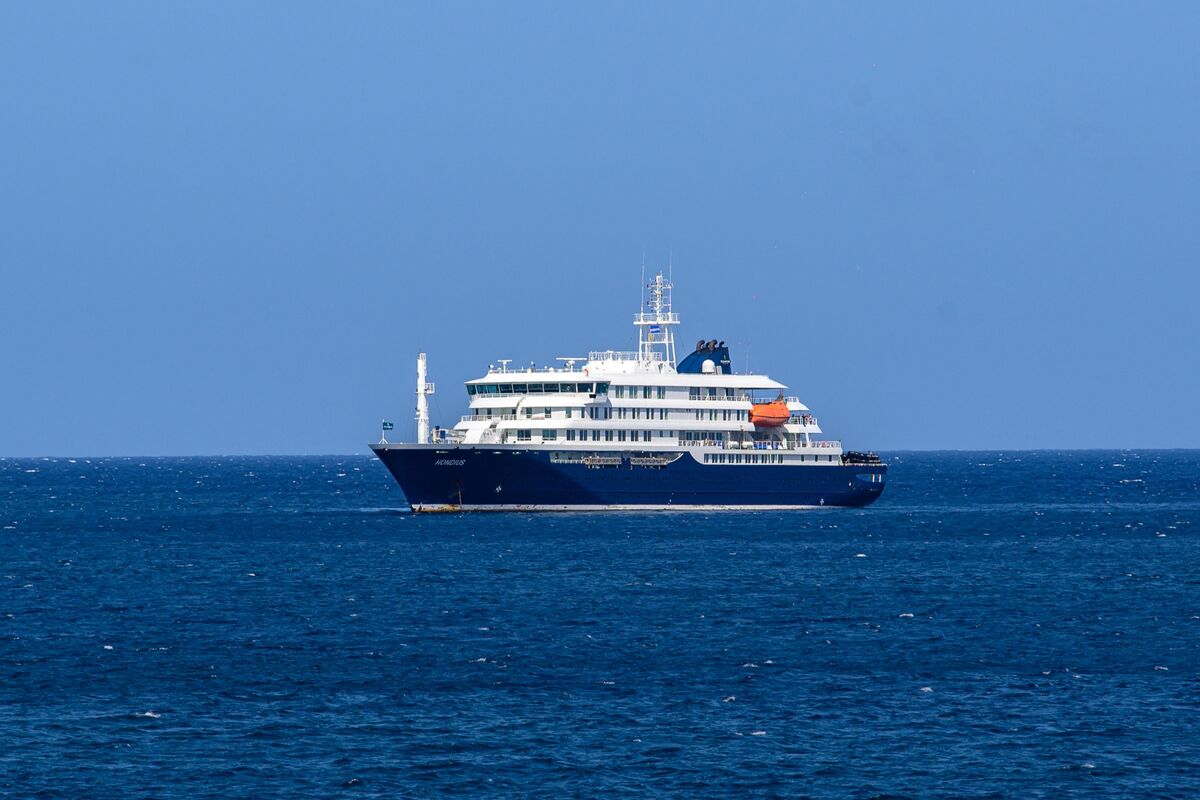
Three people have died and several others are seriously ill after a hantavirus cluster was linked to the Hondius cruise ship in the Atlantic Ocean. Passengers and crew developed severe respiratory symptoms, with some evacuated to hospitals in South Africa, while authorities investigate transmission on board. The event is a serious health incident for the cruise/travel sector, but is likely to have limited broader market impact unless additional cases emerge.
This is not a broad “pandemic” event; it is a highly specific operational failure with asymmetric reputational impact. The immediate losers are expedition cruise operators and adjacent premium travel brands because their customers are buying perceived control, remoteness, and medical safety—three things this story undermines in one shot. Even if the outbreak remains isolated, booking intent in the premium adventure segment can soften for one to two quarters as high-ARPU travelers become more sensitive to infection-control optics than to price.
The second-order winner is the medical screening, maritime sanitation, and remote-evacuation ecosystem. Every operator servicing polar, expedition, or small-vessel itineraries has to reassess pre-boarding health protocols, onboard isolation capacity, and medevac arrangements; that translates into incremental spend on diagnostics, telemedicine, and biosecurity vendors rather than into a generalized healthcare rally. Airlines and large cruise lines may see only a modest read-through unless authorities broaden guidance, because consumers will likely distinguish between a niche vessel with unique exposure dynamics and mass-market leisure travel.
The key risk is regulatory, not epidemiological: if investigators cannot clearly explain transmission, the story can expand from a one-off incident into an industry standard-setting event. That matters over days to weeks, when insurers and tour operators may tighten underwriting and cancelation terms, and over months if Arctic/Antarctic expedition capacity is re-priced for higher medical overhead. The contrarian view is that the market may over-penalize all travel when the real trade is narrower—this is more likely a negative catalyst for specialty expedition operators than for broad travel demand. If public health authorities quickly localize the source, the shock should fade fast and the opportunity becomes fading the panic rather than shorting the whole leisure complex.
AI-powered research, real-time alerts, and portfolio analytics for institutional investors.
Request DemoOverall Sentiment
strongly negative
Sentiment Score
-0.70
