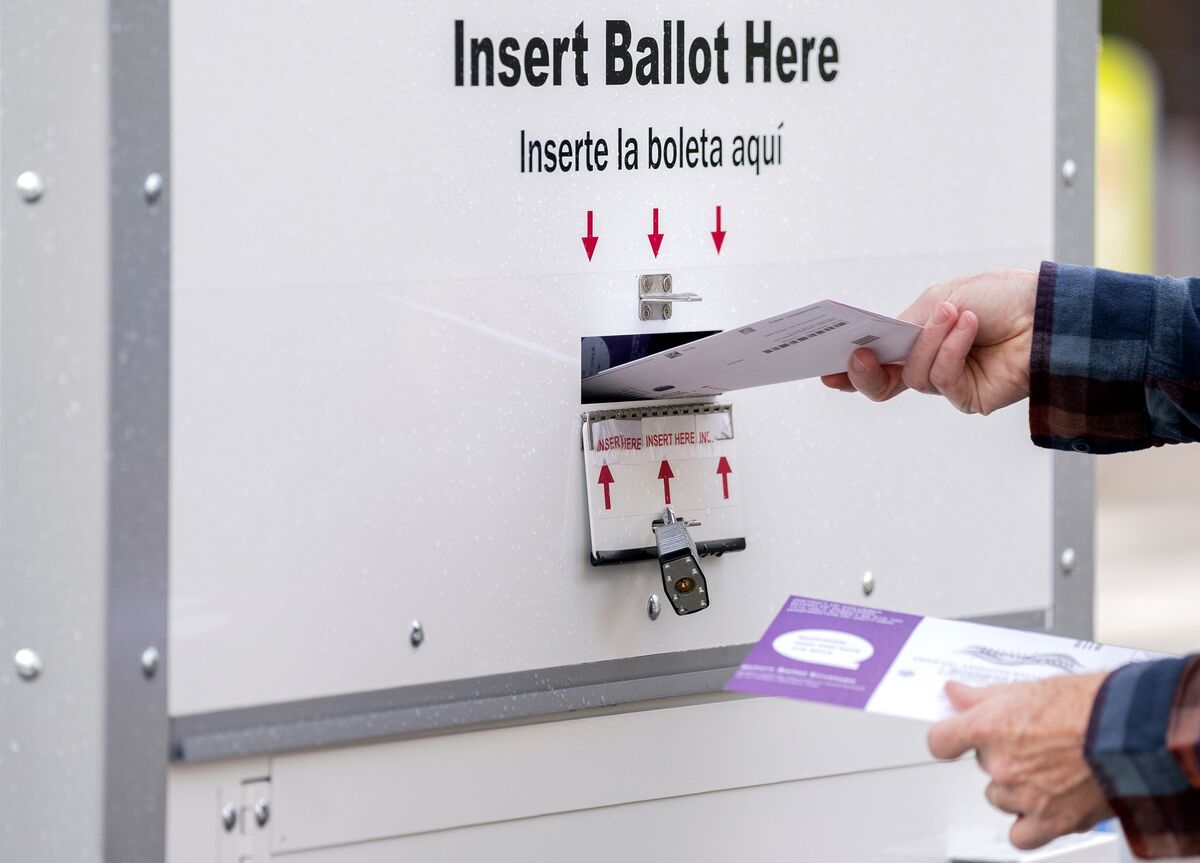
President Trump is set to sign an executive order to curtail mail-in voting, requiring the Homeland Security secretary to compile a state-by-state list of citizens eligible to vote. The order would direct the Postal Service to send absentee ballots only to voters on that list and require ballots to be in envelopes with barcodes for tracking. The move escalates a broader campaign against mail voting and could prompt administrative and legal challenges for election officials and the Postal Service.
This order is less a single policy shock and more a demand-creation mechanism for a narrow set of suppliers and a legal services wave. Requiring standardized envelopes, barcodes and an approved voter list creates a near-term procurement cycle: printers, envelope manufacturers and postal-tracking vendors face a measurable, contract-tenderable TAM that is concentrated (states + USPS) and lumpy, likely realized over 3–12 months as states race to comply or litigate. If 50–70M ballots are in scope and incremental materials/processing add $0.10–0.40 per ballot, the direct addressable revenue is O($5–30)M for materials and low-hundreds of millions when equipment, software and verification services are included.
The immediate market effect is volatility, not macroeconomic disruption. Expect short-duration spikes in equity volatility around legal filings, certification deadlines and injunctions—historically VIX moves of +20–40% during contested-election episodes. Over 12–24 months, winners are vendors that can rapidly certify track-and-trace solutions and identity verification; losers are state budgets and smaller local election offices that may see funding squeezed or be forced to delay modernization. A sustained policy or judicial reversal (likely in 6–18 months) is the main downside to supplier revenue and would compress valuations quickly.
Strategically, the optimal trades separate a volatility play from a procurement/capex play: buy insurance around event risk while selectively buying names that can win RFPs and deliver barcoding/tracking software. Size positions small-to-modest given high legal-tail risk; prepare to unwind on clear judicial outcomes or federal injunctions. Monitor state-level procurement notices and emergency appropriations as the best lead indicator for revenue realization and contract timing.
AI-powered research, real-time alerts, and portfolio analytics for institutional investors.
Request DemoOverall Sentiment
neutral
Sentiment Score
0.00
