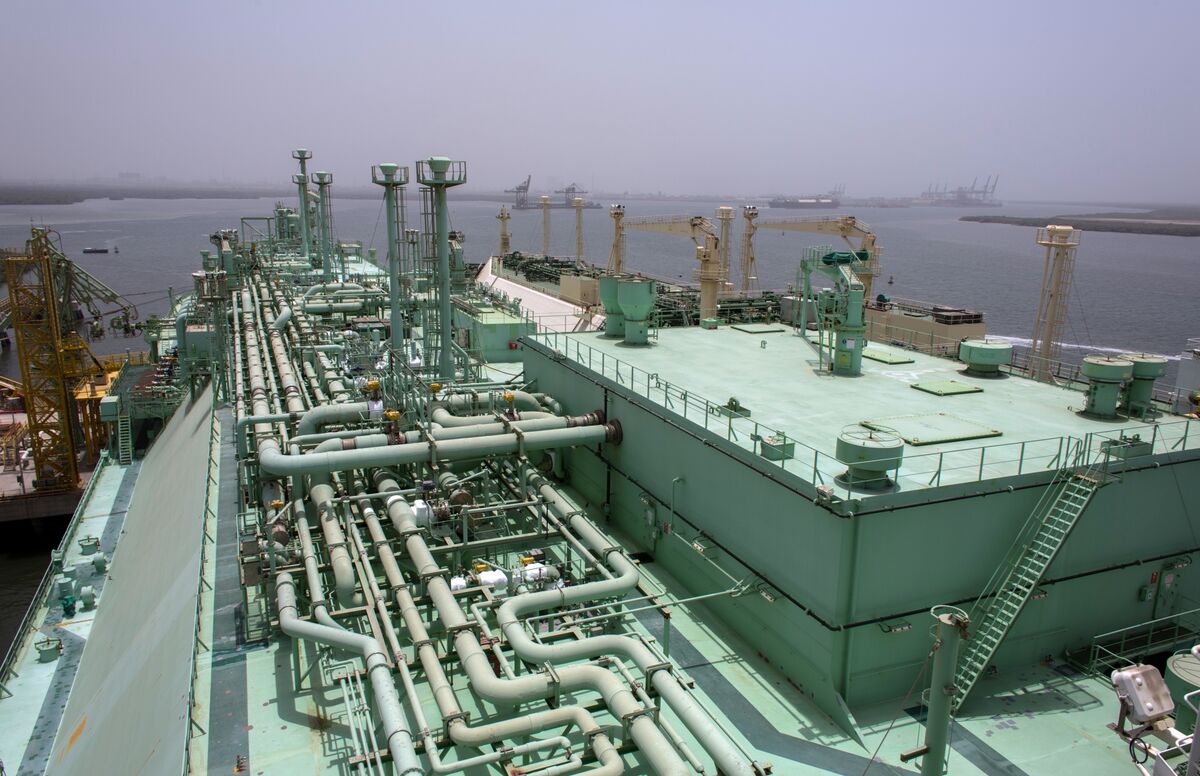
Pakistan declined to buy two urgent spot LNG cargoes for May delivery, betting that Strait of Hormuz disruptions will ease and Qatar supplies will arrive soon. The decision reflects easing conflict risk between the US and Iran, but it leaves Pakistan exposed if LNG flows remain constrained or spot prices rise. The immediate impact is more relevant to regional gas markets and LNG logistics than to broader markets.
Pakistan’s decision to defer emergency spot purchases is a small but useful tell on the market’s path dependence: when a buyer chooses to wait, it usually signals expectations that near-dated dislocation will fade faster than the forward curve implies. That creates a near-term softening risk for Gulf spot LNG differentials even if headline geopolitical risk remains elevated, because distressed demand often shows up first in Asia’s marginal importers rather than in long-term contract pricing.
The second-order effect is on cargo re-routing incentives. If Pakistan steps back, more spot volumes will need to clear elsewhere, which can temporarily ease pressure on prompt LNG prices and reduce the urgency premium embedded in freight and arbitrage economics. That matters for peers with flexible balance sheets and storage optionality, while being negative for sellers relying on emergency demand to monetize geopolitical spikes.
The bigger risk is not price direction but timing mismatch: if Strait-related disruption persists beyond a few days, Pakistan may be forced back into the market at worse levels, effectively converting a prudent delay into a higher-cost catch-up trade. In that scenario, the market could see a sharp repricing in the prompt month while deferred months lag, creating a steep front-end backwardation event rather than a clean sustained rally.
Contrarian read: the market may be overestimating the speed at which political de-escalation translates into physical LNG normalization. Even if tensions ease, cargo scheduling, vessel positioning, and contractual redirection mean relief can lag headlines by 1-3 weeks. That lag gives tactical downside in prompt LNG-sensitive names or vehicles, but the better medium-term setup remains volatility monetization rather than outright directional exposure.
AI-powered research, real-time alerts, and portfolio analytics for institutional investors.
Request DemoOverall Sentiment
neutral
Sentiment Score
-0.10
