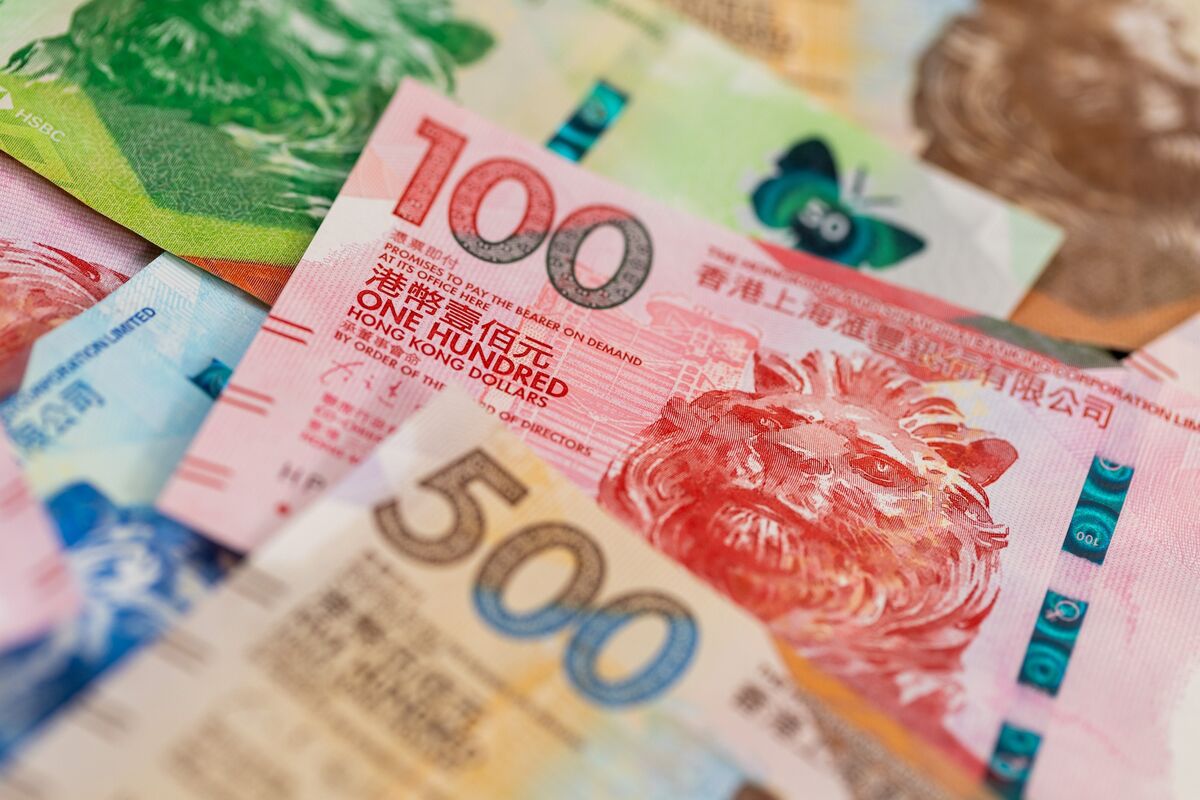
Hong Kong dollar bond issuance surged to a record HK$1.28 trillion ($163 billion) in the second quarter, marking a 20% increase from the prior period. This significant rise was driven by issuers capitalizing on short-term borrowing costs, which were pushed to near zero by currency interventions, creating highly favorable funding conditions in the local market.
The Hong Kong dollar bond market witnessed a record-breaking surge in issuance during the second quarter, with sales reaching HK$1.28 trillion ($163 billion), a 20% increase over the previous quarter. This unprecedented volume, the highest since Bloomberg data began in 1988, was directly driven by a collapse in short-term borrowing costs to near-zero levels. The sharp reduction in financing costs stemmed from local currency interventions, which created an exceptionally favorable funding environment. Consequently, issuers aggressively tapped the market to lock in cheap capital, signaling a strong response to monetary policy actions and their direct impact on local credit conditions.
AI-powered research, real-time alerts, and portfolio analytics for institutional investors.
Request DemoOverall Sentiment
strongly positive
Sentiment Score
0.80
