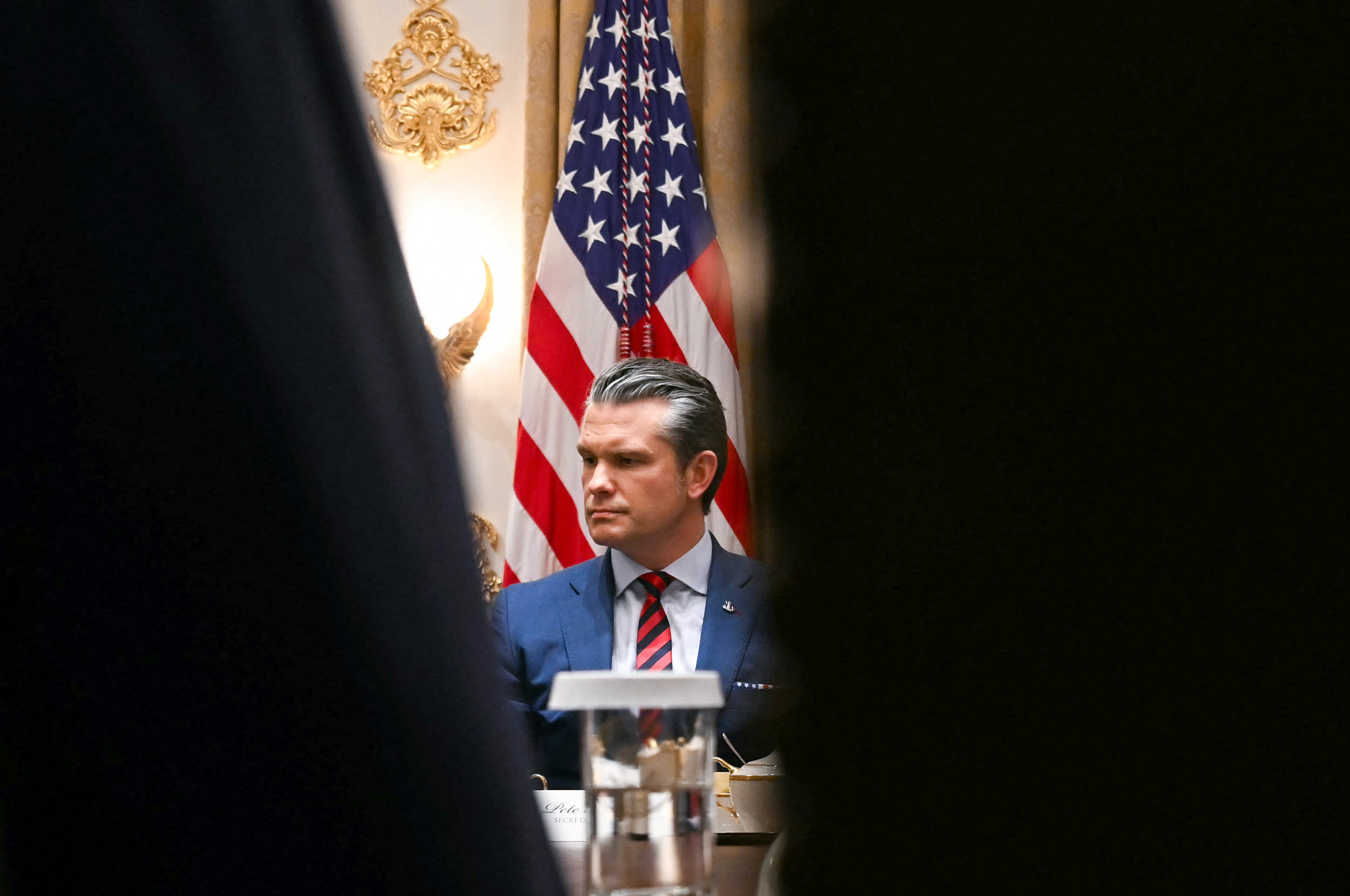
Anthropic — which held a roughly $200 million Defense Department contract to provide access to its Claude AI models, including for work involving classified material — has been effectively barred from federal systems after President Trump directed agencies to cease using its technology and Defense Secretary Pete Hegseth labeled the company a "supply-chain risk." CEO Dario Amodei's public redlines (no domestic mass surveillance, no autonomous weapons) collided with Pentagon demands that services be available "for all lawful purposes," creating a politically driven regulatory and counterparty-risk event that raises policy uncertainty for AI vendors and defense contractors.
Market structure: The immediate winner is incumbent cloud/AI partners who can fill Anthropic's vacuum — think MSFT and GOOGL (3–12 month uplift in enterprise demand) and GPU suppliers NVDA/AMD (6–18 month higher GPU orders). Defense primes (LMT, RTX, GD) gain strategic upside as procurement defaults to larger domestic suppliers and DOD pushes “trusted” vendors, tightening pricing power in defense IT spend by an estimated +5–10% vs smaller suppliers over 12 months. Small/private AI labs and boutique vendors are the losers — contract flow and validation shift to large-cap partners, accelerating concentration risk in AI infrastructure spend.
Risk assessment: Tail risks include use of the Defense Production Act or formal “supply-chain” blacklists (low prob, high impact) that could freeze a meaningful share (>10%) of commercial AI supply to government for months; regulatory backlash (bias/ideology EO) could slow enterprise sales by 5–15% for exposed vendors over 6–12 months. Near-term (days) volatility around headlines; medium-term (weeks–months) re-contracting and legal fights; long-term (quarters–years) structural procurement rules and possible antitrust or export controls reshaping TAM. Hidden dependency: cloud/GPU supply constraints — a sustained DOD pivot increases NVDA order visibility but also heightens geopolitical supply risk.
Trade implications: Favor long positions in MSFT (2–3% portfolio) and NVDA (1–2%) for 3–12 month upside tied to OpenAI substitution; add 2–4% exposure to LMT/RTX for 6–18 months as defense IT spend re-routes. Use options for asymmetric exposure: buy 3–6 month 25–35% delta calls on MSFT/NVDA sized to 0.5–1% portfolio each, and purchase 3–6 month protective puts on a tech basket (0.5% notional) to hedge headline risk.
Contrarian angles: The market may overprice permanent bifurcation — historical parallels (NSA/Surveillance controversies) show procurement often continues but consolidates; that suggests a medium-term consolidation trade rather than broad tech sell-off. Mispricing opportunity: buy long-dated NVDA/MU-linked optionality if GPU lead times extend; unintended consequence: consolidation raises pricing power for incumbents, supporting margins and capex returns over 12–36 months.
AI-powered research, real-time alerts, and portfolio analytics for institutional investors.
Request TrialOverall Sentiment
strongly negative
Sentiment Score
-0.60
