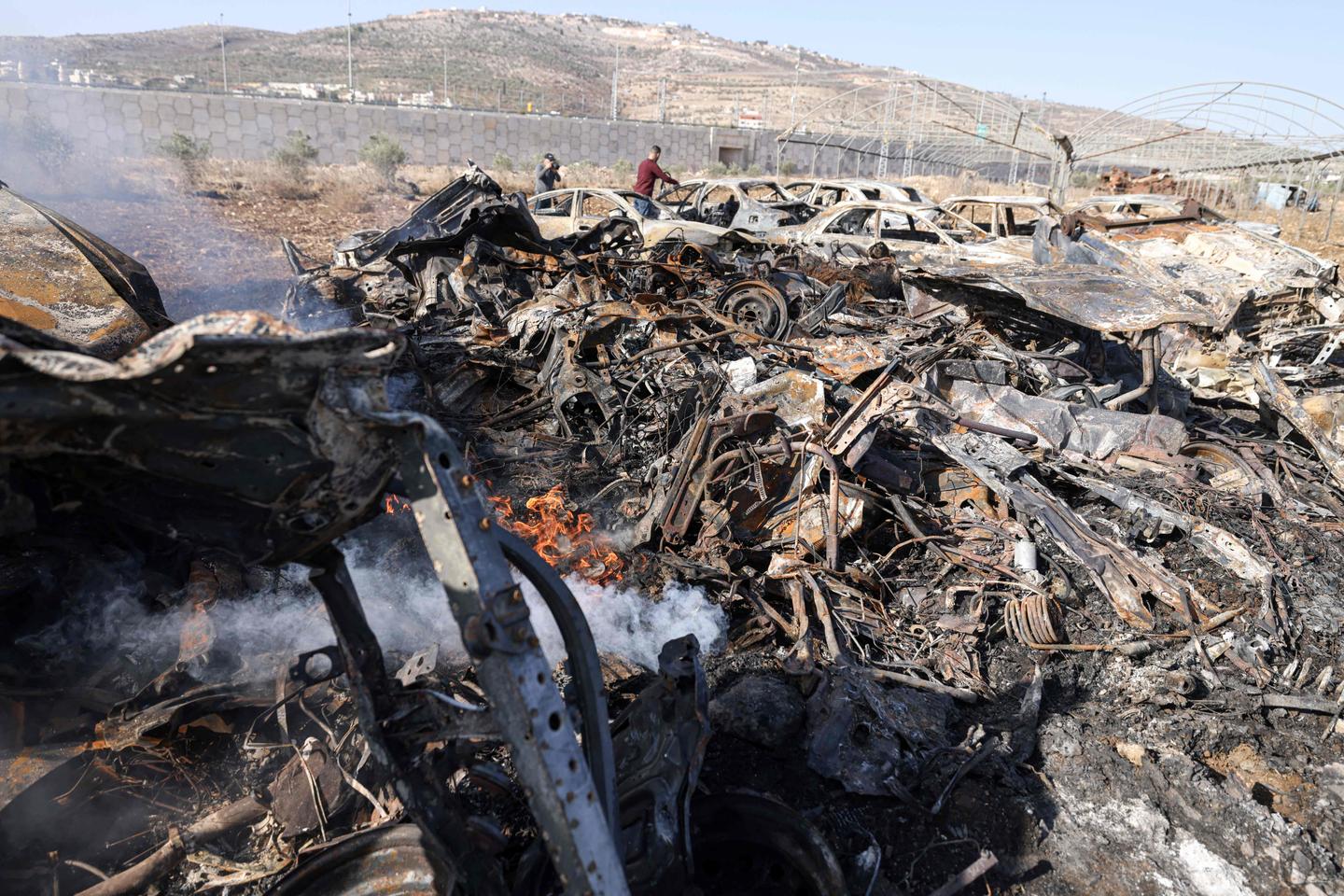
The UN human rights office on Jan. 7 concluded that decades of Israeli discrimination and segregation in the West Bank have intensified and amount to an apartheid-like system, urging repeal of discriminatory laws and dismantling of settlements. The report cites more than 500,000 Israeli settlers in the West Bank (home to ~3 million Palestinians), over 1,000 Palestinians killed in the West Bank since Oct. 7, 2023, at least 44 Israelis killed in the same period, and finds just 112 investigations and one conviction for some 1,500 Palestinian deaths from 2017–Sept. 30, 2023. The findings raise persistent geopolitical and legal risks for the region, with potential diplomatic, reputational and policy consequences that could influence regional risk premia and investor positioning.
Market structure: The UN designation increases political and legal pressure on Israel, which should benefit defense/security contractors (Lockheed LMT, Raytheon RTX, General Dynamics GD) and sanctions/ESG trade desks while pressuring Israeli equities (iShares MSCI Israel EIS) and local banks. Pricing power for regional security suppliers will rise short-term (3–12 months) as governments reallocate procurement; commodity supply shocks are conditional — oil risk rises only with broader regional escalation (threshold: >5% oil move).
Risk assessment: Tail risks include a wider regional war (low-probability, high-impact) involving Iran/Hezbollah driving oil +15% and global risk-off, and reputational/legal actions that trigger corporate divestments of firms operating in settlements (multi-year earnings hit). Immediate (days) risk is sentiment-driven equity weakness; short-term (weeks) is funding/spread volatility for Israeli sovereigns; long-term (quarters/years) is regulatory/ESG-driven reweighting of indices.
Trade implications: Favor long selective defense and security equities/ETFs, safe-haven bonds and gold on VIX>25 or S&P -4% signals, and tactical protection on Israel exposure (puts or hedges). Use 3–6 month option call spreads on LMT/RTX to limit premium outlay; consider short EIS or buying EIS puts sized 1–2% as an asymmetric hedge. Energy plays should be conditional to concrete escalation signals.
Contrarian angles: Consensus may overpay for defense exposure now; if escalation remains localized the market will mean-revert (histor precedent 2014: initial sell-off then recovery in 2–3 months). Israeli tech/exports could present durable buy-the-dip opportunities if no broader regional escalation and legal headwinds remain political rather than monetary. Unintended consequence: aggressive sanctions/divestment could create long-term discounting and eventual value capture.
AI-powered research, real-time alerts, and portfolio analytics for institutional investors.
Request DemoOverall Sentiment
moderately negative
Sentiment Score
-0.40
