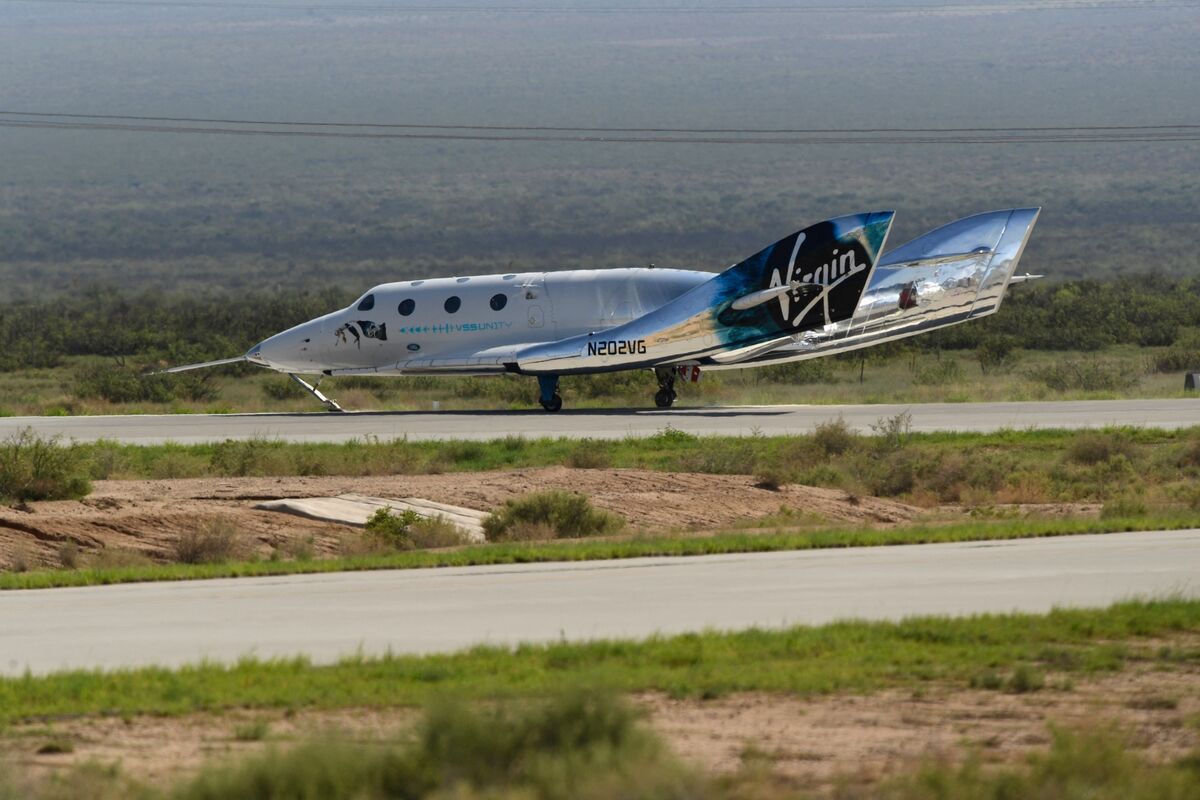
Virgin Galactic resumed limited commercial sales, releasing a number of spaceflight tickets priced at $750,000 each (about $100,000 higher than prior pricing). Shares jumped on the news as the company signals movement toward restarting tourism operations after a two-year hiatus, implying potential near-term revenue upside if flights resume at scale.
The headline-driven uplift is primarily a sentiment event; the deeper margin story depends on utilization and fixed-cost dilution. Aerospace firms with specialized composites, flight systems and recurring maintenance contracts stand to gain only if a sustained cadence (multi‑dozen flights per year) is achieved — otherwise unit economics remain loss-making and suppliers face lumpy, unpredictable orders with 12–24 month lead times.
Regulatory and insurance regimes are the dominant tail risks and can flip the narrative quickly: a single mishap or an adverse FAA directive would force multi‑quarter shutdowns, spike reinsurance costs and trigger milestone-based covenant tests in any financing. Near-term catalysts to watch are operational cadence disclosures, insurer re-pricing announcements, and company-level cash burn guidance — each can move positioning inside days-to-weeks, while proving sustained demand is a months-to-years story.
The market is underpricing execution risk and overpricing optionality on future volume growth; retail and momentum flows can amplify moves both ways. That suggests asymmetric option structures or pairs to capture volatility rather than naked directional exposure. For portfolio construction, favor strategies that limit capital at risk while leaving open upside tied to credible execution milestones (e.g., verified launch cadence, insurance renewals, or regulatory sign‑offs).
AI-powered research, real-time alerts, and portfolio analytics for institutional investors.
Overall Sentiment
mildly positive
Sentiment Score
0.35
Ticker Sentiment
