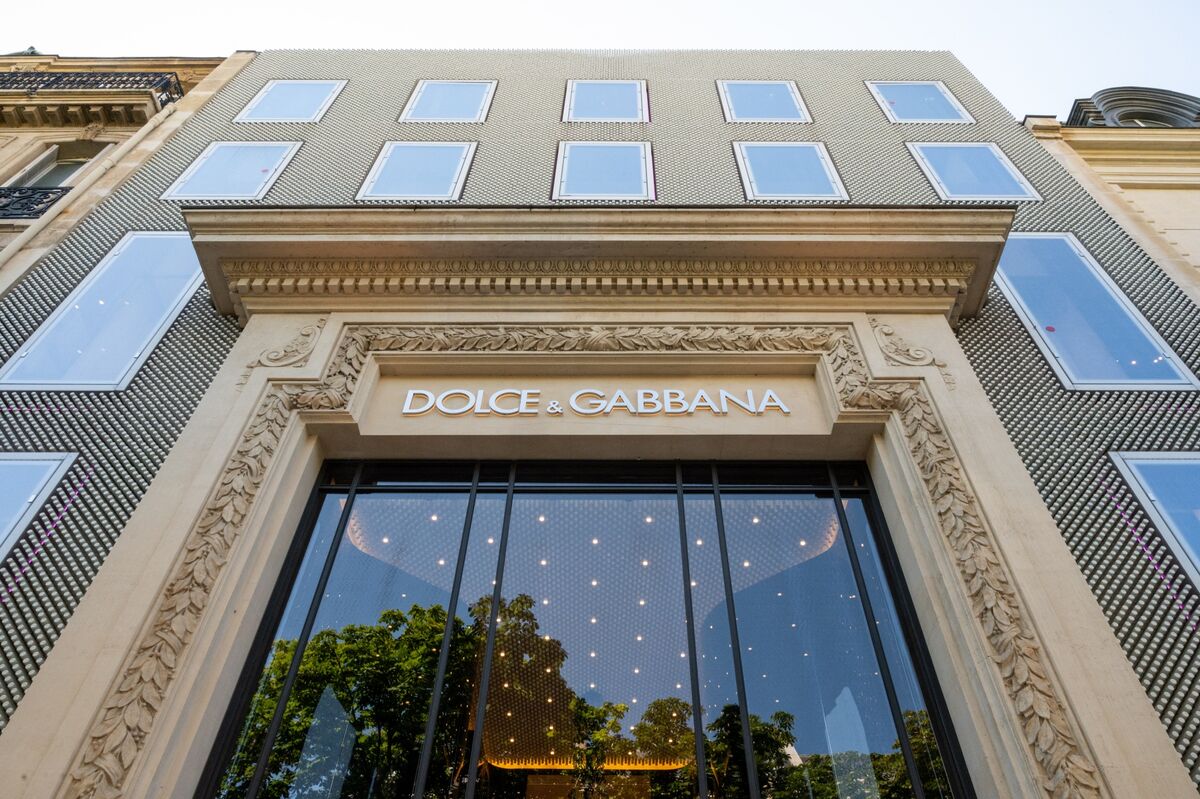
€450 million of bank debt is weighing on Dolce & Gabbana after weak global luxury demand pressured earnings and debt terms. The company added €150 million of new borrowing in last year’s refinancing and has previously obtained a covenant waiver. D&G has opened talks with lenders and engaged Rothschild & Co. as financial adviser to address rising debt pressure while pursuing its independence-focused expansion plan.
When a family-controlled, mid-sized luxury house starts to show covenant friction, lenders' behaviour tends to follow a predictable path: short-term forbearance paired with tighter liquidity covenants and requests for additional collateral within a 3–9 month window. That window forces management into a knife-edge tradeoff—preserve brand investment and retail expansion or shore up liquidity via asset monetization, inventory markdowns, or slower capex; each choice bites either top-line momentum or gross margins by low- to mid-single-digit percentage points.
The immediate spillovers are upstream and downstream: suppliers will shorten payment terms and demand letters of credit, pushing the company to fund larger working-capital needs and potentially triggering inventory discounting that competes with regional peers for share. Large-cap luxury houses with diversified geographic exposure and stronger wholesale/omnichannel flywheels can selectively harvest share during a markdown cycle, improving sales mix and operating margins by a few hundred basis points over 6–12 months.
Key tail risks are creditor-led acceleration or a forced sale of non-core IP/assets within 6–18 months, which would crystallize a valuation gap and likely draw PE bidders for carve-outs; conversely, an outsized demand rebound in Greater China or an equity injection from strategic/private-credit within 1–3 quarters could reverse the stress narrative rapidly. Monitor three tractable, near-real-time indicators: supplier payment aging, landlord negotiations (rent abatements), and banks’ covenant amendments—changes there are the earliest and most reliable leading indicators of either resolution or escalation.
For portfolios, the situation creates asymmetric opportunities favoring scale and balance-sheet optionality; banks and private-credit funds are the probable short-to-medium-term providers of capital, while strategic acquirers can buy brand equity at a discount if forced sales occur. Position sizing should reflect binary event risk: small, tactical exposure to a rebound and larger, conviction exposure to the secular winner-takes-share theme among global luxury giants over 6–24 months.
AI-powered research, real-time alerts, and portfolio analytics for institutional investors.
Request DemoOverall Sentiment
mildly negative
Sentiment Score
-0.30
