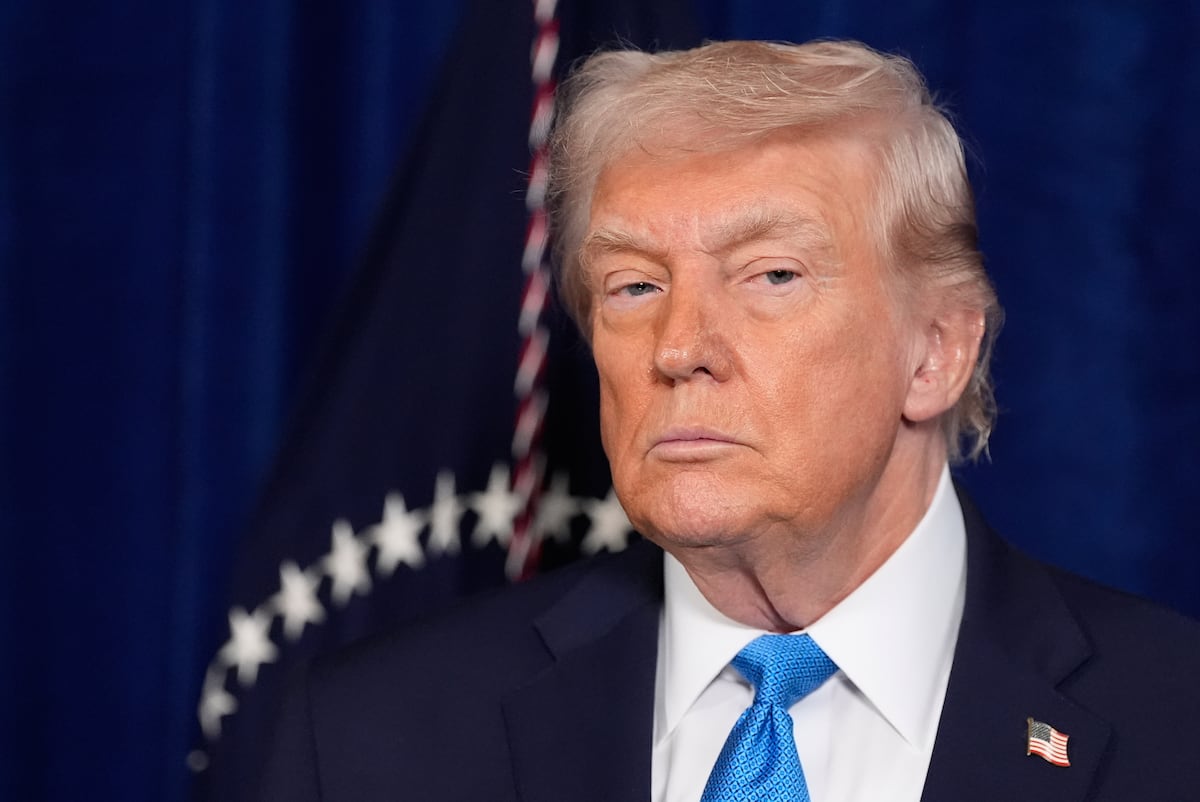
President Trump publicly warned Raytheon (unit of RTX Corp.) that the company will face cuts to Pentagon contracts and an effective ban on stock buybacks unless it accelerates weapons production and increases capital investment in plants and equipment. The move comes despite a recent Department of Defense 20-year, $50 billion umbrella contract with RTX and follows a brief selloff in RTX shares that recovered after Trump proposed boosting the 2027 military budget to $1.5 trillion (a $600 billion increase versus $1 trillion) to be funded by tariff revenue. The warning heightens regulatory and political risk for a major defense supplier (notably a maker of the Patriot missile system) and could influence capital allocation and investor sentiment across the defense sector.
Market structure: RTX is under immediate political risk while the broader defense complex (LMT, NOC, ITA/XAR) is a net beneficiary of higher baseline budgets; winners are mid/small-tier suppliers that can scale production quickly and those with less visible buyback programs. Pricing power shifts toward prime contractors with producible inventories; however RTX-specific reputational/policy risk can cede share to peers for urgent programs (Patriot sustainment is sticky but switchable over quarters). Cross-asset: higher prospective defense fiscal impulse (target year 2027) is mildly inflationary — positive for TIPS and commodity cyclicals (metals, specialized alloys) and negative for long-duration Treasuries if market treats this as credible fiscal loosening.
Risk assessment: Tail risks include a formal executive or legislative ban on buybacks for contractors, DoD contract suspension (low probability but >$10s bn revenue impact), or supply-chain caps that force multiyear delivery slippage. Immediate (days) risk = volatility/flow; short-term (weeks–months) = contract re-pricing and capex announcements; long-term (years) = structural re-shoring and larger backlog if $1.5T plan progresses. Hidden dependencies: congressional oversight and existing 20-year DoD contract terms likely limit unilateral cancellations; legal fights could create protracted uncertainty.
Trade implications: Short-term hedge RTX volatility with 3-month put spreads sized to 1% portfolio risk while waiting for clarity; initiate selective long exposure to the sector via ITA/XAR if RTX falls >15% (capture budget upside without single-name political risk). Pair trade idea: long LMT or NOC vs short RTX to express flow away from a politicized prime. Use 12–24 month LEAP calls on sector winners if legislative signals strengthen funding probability.
Contrarian angles: The market may overprice rhetoric—administration likely constrained by contract law and Congressional appetite, making sharp RTX downside temporary; historical parallels (Boeing political noise) show reputational hits rarely remove long-term cash flow. Unintended consequence: heavy public pressure may force RTX into accelerated capex, compressing near-term margins but derisking long-term backlog — creating a recovery trade in 6–18 months.
AI-powered research, real-time alerts, and portfolio analytics for institutional investors.
Request DemoOverall Sentiment
moderately negative
Sentiment Score
-0.40
Ticker Sentiment
