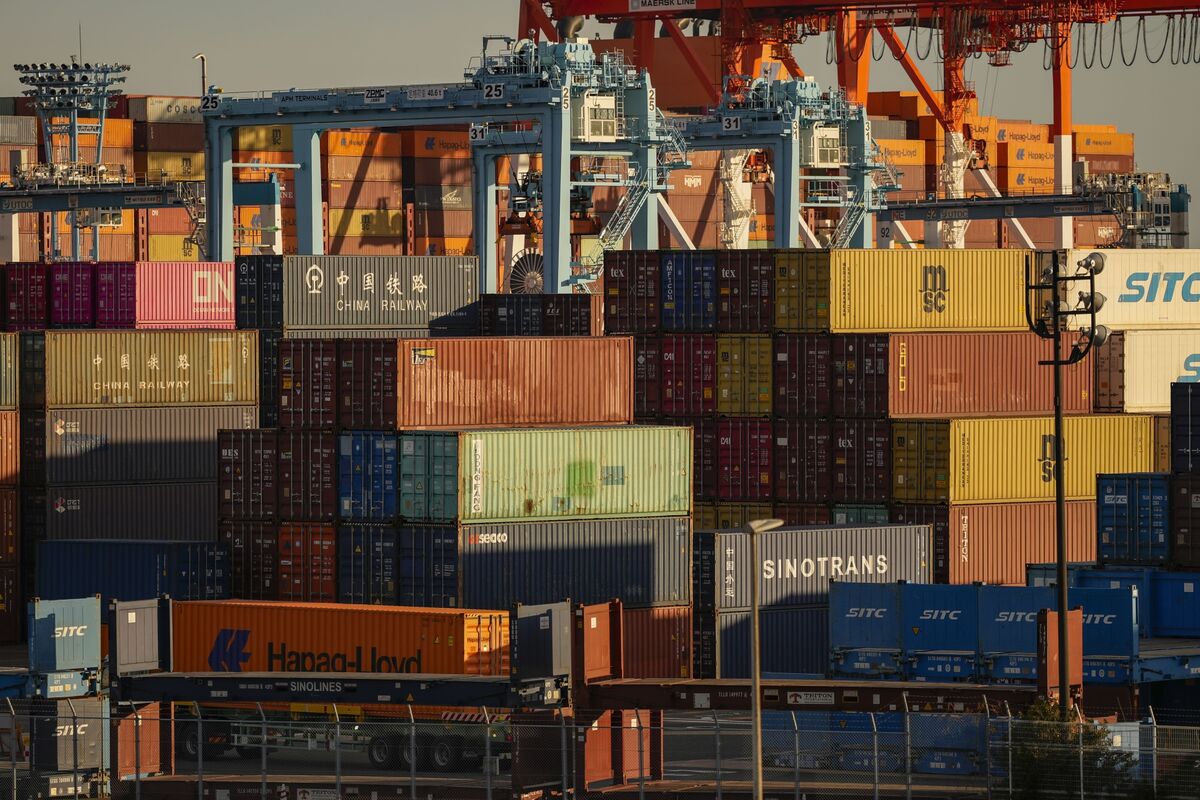
President Trump announced a slight increase in tariffs on Japan to 25% from 24%, effective August 1, citing persistent US trade deficits and Japan's tariff and non-tariff policies. This directive, communicated to Prime Minister Shigeru Ishiba, strategically allows Japan to seek a resolution after its upcoming national election, indicating a potential window for negotiation despite the escalating trade pressure.
The US administration is applying measured but escalating pressure on Japan by increasing across-the-board tariffs to 25% from 24%, effective August 1. The stated justification is the persistent US trade deficit, which the White House attributes to Japan's tariff and non-tariff barriers. The most significant aspect of this development is its strategic timing; by granting an extension past Japan's upcoming national election, the US is creating a defined window for Prime Minister Shigeru Ishiba to negotiate a settlement without immediate pre-election political pressure. This suggests that while the US maintains a firm negotiating stance, the slight tariff increment and the explicit delay signal a willingness to reach a deal, framing the situation as a period of heightened uncertainty rather than an intractable trade dispute. The outcome now hinges on the political mandate and negotiating posture of the Japanese government post-election.
AI-powered research, real-time alerts, and portfolio analytics for institutional investors.
Request DemoOverall Sentiment
moderately negative
Sentiment Score
-0.35
