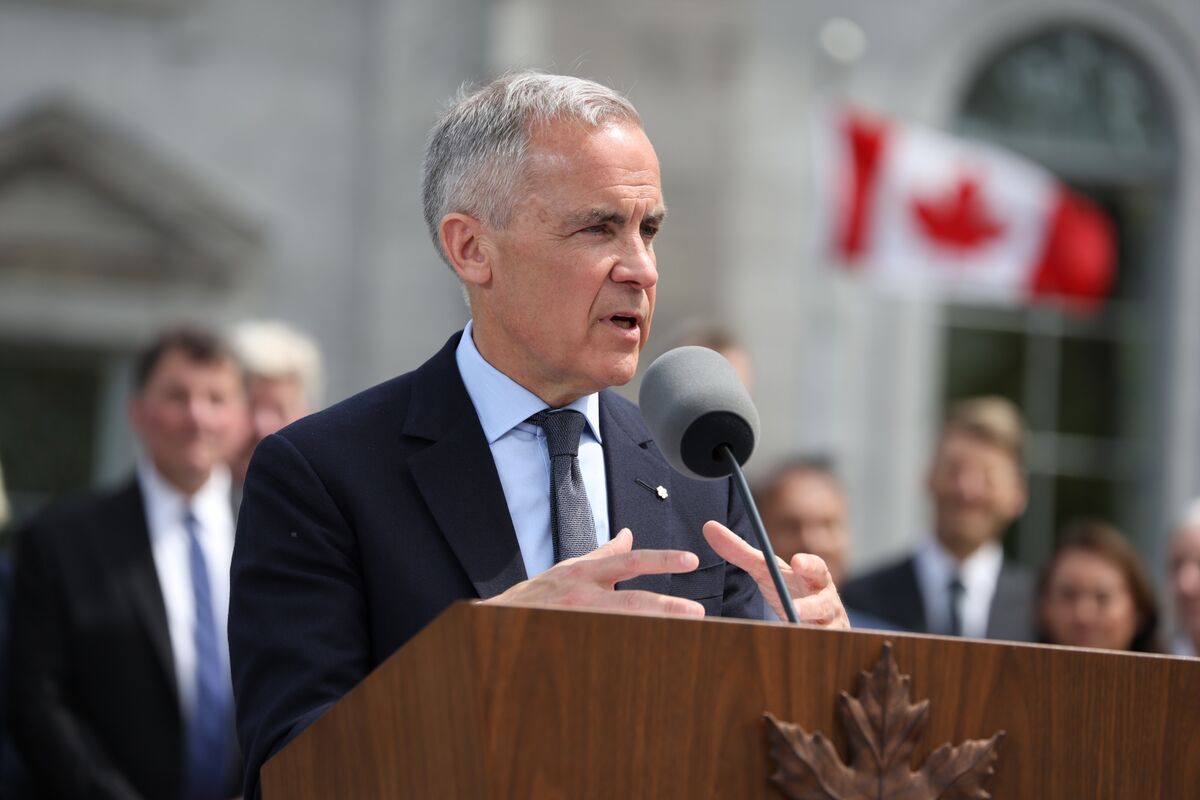
Prime Minister Mark Carney announced that Canada will not immediately retaliate against the U.S.'s doubling of steel and aluminum tariffs, citing ongoing "intensive discussions" between the two countries regarding their trade relationship. Carney stated the government will take time to consider its response to the U.S.'s decision to raise tariffs on foreign-produced metals to 50%, suggesting a measured approach amid trade negotiations.
Prime Minister Mark Carney's announcement that Canada will refrain from immediate retaliatory measures against the U.S. administration's decision to double steel and aluminum tariffs to 50% signals a deliberate, cautious strategy. Carney highlighted that "intensive discussions" regarding the bilateral trade relationship are progressing, and the Canadian government will "take some time" to consider its response. This approach, while potentially de-escalatory in the short term, occurs against a backdrop of significant trade tension. The provided signals indicate a "mixed" sentiment (score 0.1) and a "cautious" tone, reflecting the uncertainty surrounding the negotiations. The market impact score of 0.6 suggests that these developments are considered moderately significant, likely influencing sectors dependent on North American trade and commodity prices. The themes of "Tax & Tariffs," "Trade Policy & Supply Chain," and "Geopolitics" accurately frame the event's multifaceted implications.
AI-powered research, real-time alerts, and portfolio analytics for institutional investors.
Request DemoOverall Sentiment
mixed
Sentiment Score
0.10
