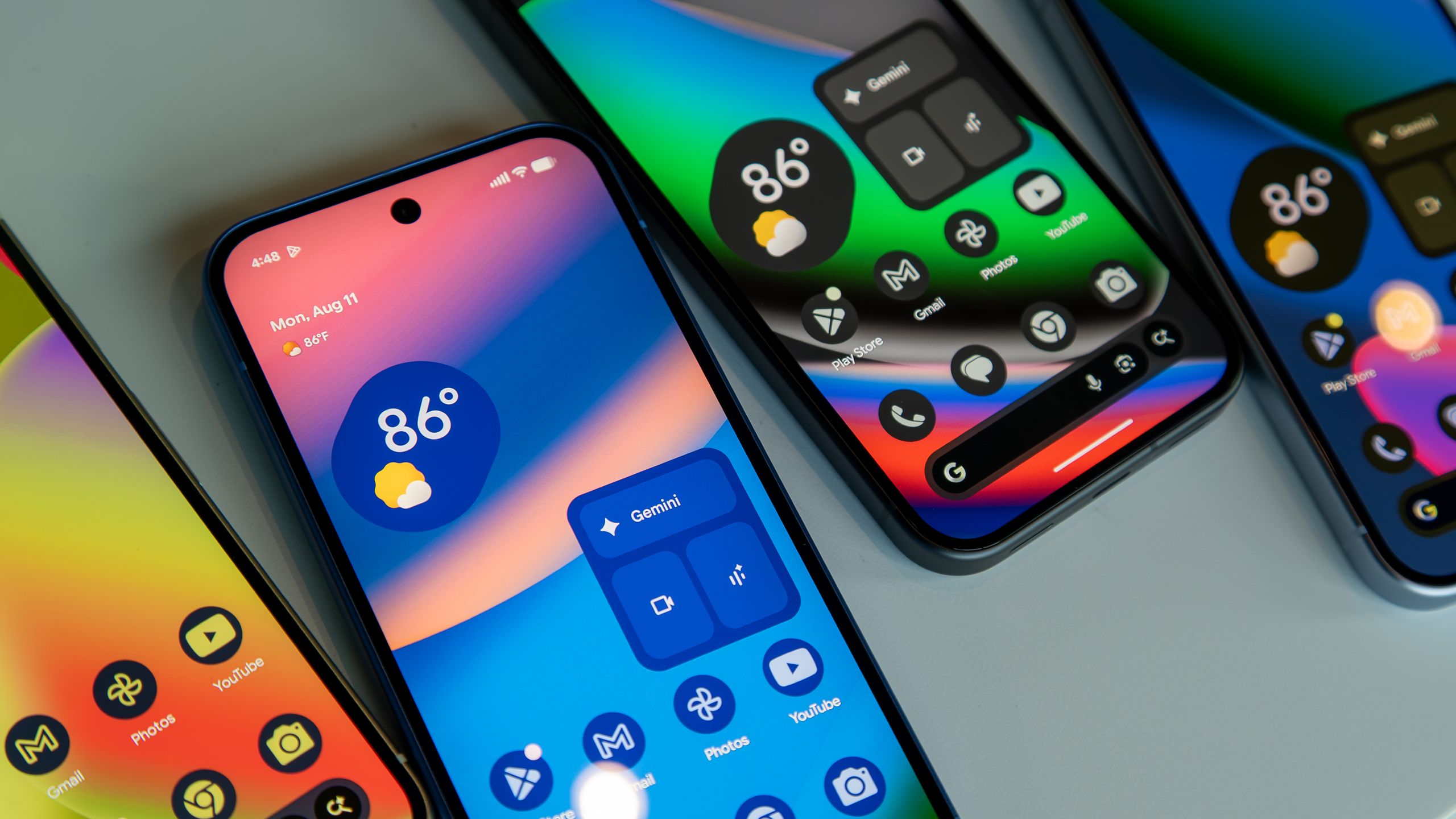
Google issued a small February 2026 Pixel system update (build BP4A.260205, ~20 MB) covering devices from the Pixel 7a, Pixel Tablet and original Pixel Fold through the Pixel 8 and Pixel 10 series, primarily delivering a high‑severity VPU driver security fix and no major features. Notably, Pixel 6 and Pixel 7 series phones were omitted, indicating a likely shift from monthly to quarterly or risk‑based update cadence for older models while Google prepares larger changes in the Android 16 QPR3 release next month; Google says affected phones will remain security compliant but gave limited clarity on future frequency.
Market structure: This update cadence shift favors incumbents with a clear, consistent update policy (Apple AAPL) and enterprise device managers who prize predictable security SLAs; I estimate a potential 3–7% relative uplift in enterprise iPhone preference over 6–12 months in corporates sensitive to patch regularity. Losers are niche Pixel resale values and second-hand markets (Pixel 6/7), where used-device prices could underperform peers by ~5–10% over 12 months. Competitive dynamics: Google’s perceived OS-support advantage narrows, reducing marginal pricing power for new Pixels and increasing importance of hardware differentiation (Samsung SSNLF, AAPL). Net demand change for semis is small (<1% TAM shift) but could tilt component ordering cadence by quarter.
Risk assessment: Tail risks include a high-severity exploit tied to an update gap that triggers regulatory scrutiny or large remediation costs for Alphabet (GOOGL), a low-probability event with >$1bn impact over 12 months. Short-term (days–weeks) risks are reputational spikes and option IV moves; medium-term (3–12 months) risk is erosion of Pixel premium; long-term (2+ years) risk is strategic migration of premium Android buyers to iOS if cadence persists. Hidden dependencies: carrier pushback, enterprise MDM contracts, and warranty/service costs; catalysts include a confirmed policy memo from Google or a widely publicized security incident.
Trade implications: Tactical relative-value pair: overweight AAPL vs underweight GOOGL for 3-month to 12-month horizons; use modest sizing (1.0–1.5% long AAPL, 0.5–0.75% short GOOGL) to express the update-consistency trade. Options: buy a 3-month AAPL call spread (10–15% OTM width) sized to 1% portfolio to cap cost and buy a 3-month GOOGL 10–15% OTM put spread at 0.5% notional as asymmetric downside hedge. Sector rotation: marginally increase exposure to premium handset/accessory plays and enterprise MDM/security vendors; reduce exposure to consumer Android resale/recommerce names for 6–12 months.
Contrarian angle: The market may overstate consumer impact—Pixel share is ~3–5% US so headline risk likely <0.5% revenue impact to Alphabet; if Google formalizes a risk-based schedule it could lower operating costs and improve margins, a hidden positive. Historical parallels (Microsoft/Apple update cadence shifts) show short-term noise with minimal long-term share shifts; therefore avoid large directional bets on GOOGL unless a concrete security incident or policy announcement occurs within 30–90 days. Unintended consequence: cost savings from fewer monthly builds could accelerate investment in feature differentiation, flipping this into a long-term positive for GOOGL.
AI-powered research, real-time alerts, and portfolio analytics for institutional investors.
Request DemoOverall Sentiment
neutral
Sentiment Score
0.00
