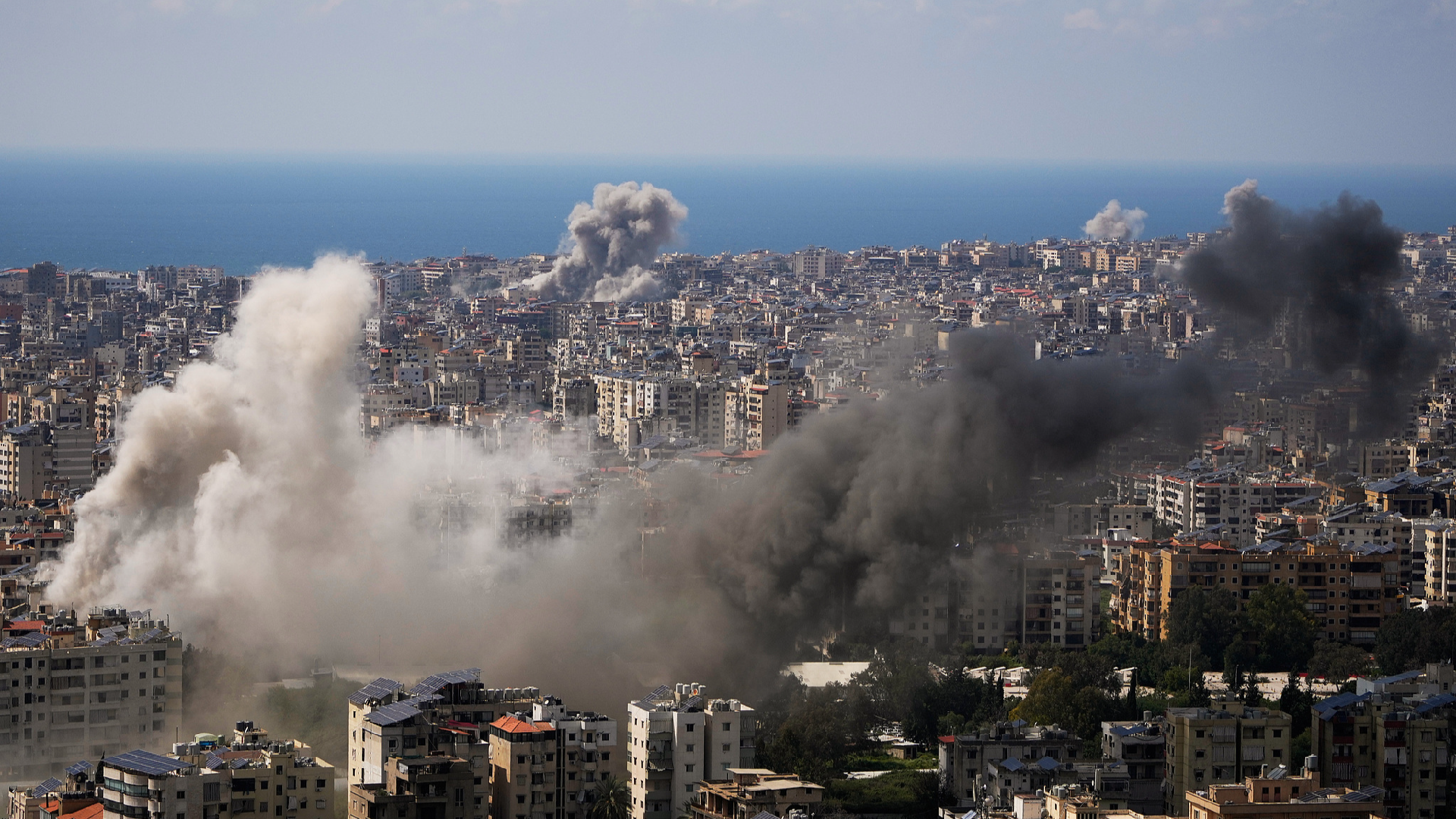
Key event: Iran and the US began a two-week ceasefire and delegations (Iran's Parliament Speaker Mohammad-Bagher Ghalibaf and US VP J.D. Vance) are scheduled to meet in Islamabad on Saturday; Iran also announced alternative routes in the Strait of Hormuz citing possible anti-ship mines. Israeli strikes in Lebanon increased the reported death toll to 254, highlighting continued regional violence. Implication: elevated short-term risk to oil markets, shipping routes and war-risk insurance — expect higher volatility and risk premia in Brent, freight rates and regional asset prices until clarity on de-escalation is achieved.
The credible threat of mines and the push to use “alternative routes” through/around the Strait materially raises shipping friction — expect spot tanker and bunker markets to re-price transit risk immediately while physical crude flows reallocate to shorter but safer corridors. Operationally this will raise voyage times by roughly 7–14 days for Middle East→Asia if vessels detour around chokepoints, increasing voyage costs ≈10–25% and adding an incremental delivered cost roughly $1–3/bbl for crude to Asia until flows normalize.
Second-order winners are owners of tank storage and spot tonnage (who capture higher utilization and time-charter premiums) and specialty insurers/reinsurers writing war-risk/maritime policies; second-order losers include Asian refiners and logistics-intensive exporters that cannot easily substitute supply routes, whose margins compress as differentials widen for heavier Middle Eastern grades. Over a 1–3 month window expect wider Brent/WTI and heavy/light differentials as cargoes are rerouted and storage locations (Singapore, Fujairah alternatives, Djibouti/Salalah) refill or draw down.
Tail risks: a mine-blind incident or successful large-scale mining campaign would create a multi-week blackout of seaborne flows and force crude price shocks measured in double-digit dollars, while a rapid diplomatic de-escalation or professional mine-clearing operation could normalize freight spreads within 2–6 weeks. The market’s likely mistake is treating higher freight/insurance as transitory — logistics frictions and port capacity constraints tend to persist longer than headline ceasefires; shipping equities and insurance premiums can stay elevated for quarters even if headline violence cools.
AI-powered research, real-time alerts, and portfolio analytics for institutional investors.
Request DemoOverall Sentiment
moderately negative
Sentiment Score
-0.35
