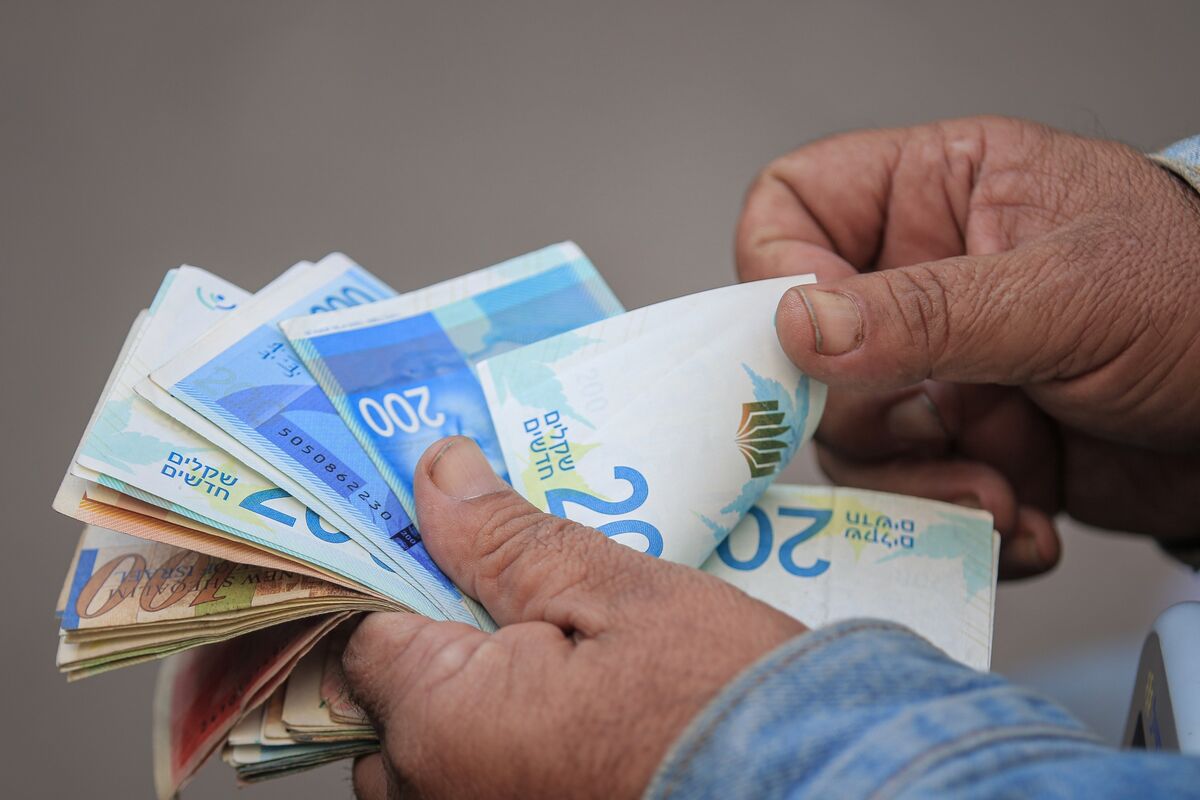
Options traders are preparing for increased volatility in the Israeli shekel, with one-month implied volatility reaching its highest level since March 2023, exceeding levels seen during the initial Hamas attack in October 2023. This surge in expected turbulence reflects hedging against potential instability despite the shekel's previous resilience amid ongoing conflicts, positioning it as the most volatile currency globally, excluding the Russian ruble.
Options market activity indicates a significant shift in expectations for the Israeli shekel, with one-month implied volatility surging to its highest level since March 2023. This measure of anticipated currency turbulence now exceeds the peaks observed following the Hamas attack in October 2023, signaling that traders are actively hedging against a potential erosion of the shekel's previously demonstrated resilience amidst ongoing national conflicts. Consequently, the shekel is currently ranked by Bloomberg as the world's most volatile currency, excluding the Russian ruble, reflecting a pessimistic outlook and a high potential market impact tied to geopolitical instability in the region.
AI-powered research, real-time alerts, and portfolio analytics for institutional investors.
Request DemoOverall Sentiment
strongly negative
Sentiment Score
-0.70
