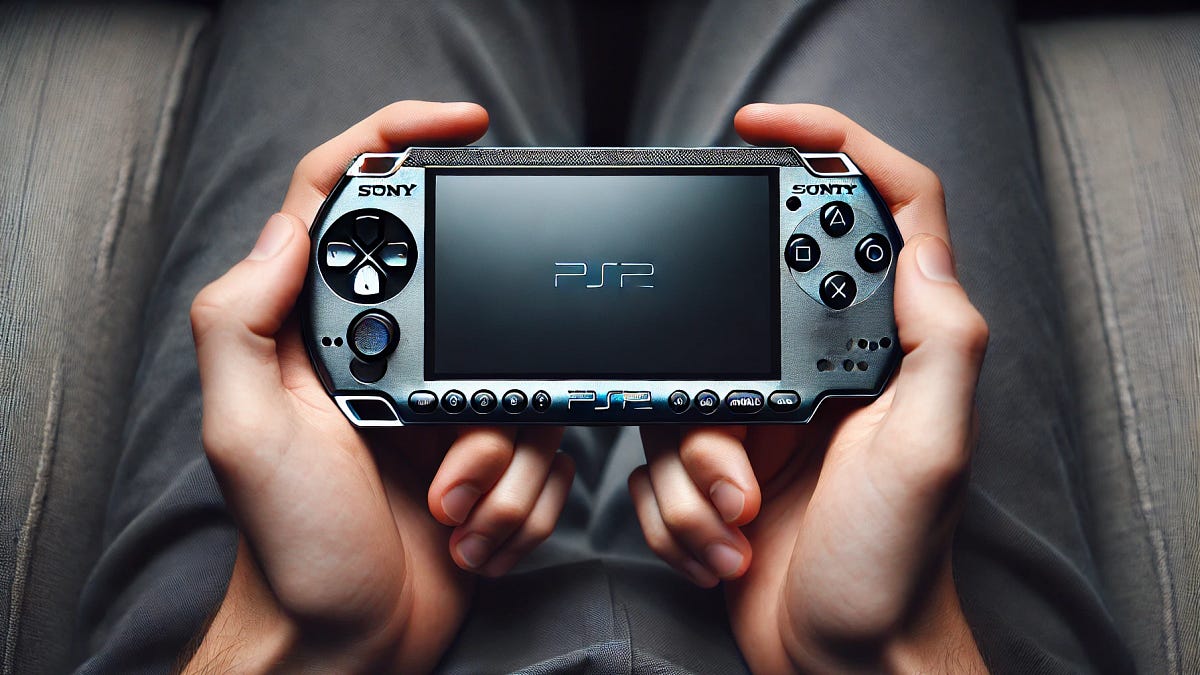
The rumored PSP 2 is reported to feature a six-core AMD Zen 6 APU, an RDNA 5 GPU with 16 Compute Units, 24GB LPDDR5X RAM and a handheld GPU clock up to ~1.2GHz. Leaks claim its rasterization and ray-tracing could outperform the Xbox Series S (20 CUs, up to 1.56GHz, ~4 TFLOPs); launch is expected in fall 2027 alongside the PS6 and may precede Valve’s Steam Deck 2, which could be delayed into 2028 due to RAM supply constraints. Implication: if accurate, this strengthens Sony/AMD positioning in high-performance handheld gaming, but the details remain unconfirmed and speculative.
Sony shipping a relatively powerful handheld well ahead of Valve materially changes timing and pricing dynamics for the portable-PC gaming segment: an earlier launch compresses Valve’s optionality on component procurement and forces Valve to either accept higher BOMs or delay further, which creates a 6–18 month window where Sony can capture demand, subscription revenue, and developer mindshare. That window is where Sony extracts most upside — not from raw hardware margin but from higher attach rates for PS6 content and recurring services, which have higher long-run margin profiles than console hardware.
AMD is the obvious semiconductor beneficiary if this APU design scales — but the real lever is wafer allocation and ASP mix. If Sony chooses premium memory/configurations (LPDDR5X), ASPs per unit could rise enough to offset a lower unit shipment base; conversely memory shortages or TSMC capacity competition from AI customers are the primary operational constraints that could cap volume and push time-to-profit out by 6–12 months.
Near-term catalysts to watch are supply signals (contractual memory commitments, pre-order pricing) and developer/toolchain comments on optimization burden; either could flip the narrative quickly. Tail risks include battery/thermal realities that force software compromises or a Sony decision to price high to protect margin — both would materially reduce unit economics and mute the services uplift.
Contrarian: the market is likely over-indexed to headline TFLOPs and architecture names instead of the harder-to-scale ecosystem levers (developer support, cross-buy economics, services monetization). If Sony misprices the device or fails to secure the necessary memory/fab allocation, we could see a sharp re-rating despite the perceived technical lead.
AI-powered research, real-time alerts, and portfolio analytics for institutional investors.
Request DemoOverall Sentiment
mildly positive
Sentiment Score
0.25
Ticker Sentiment
