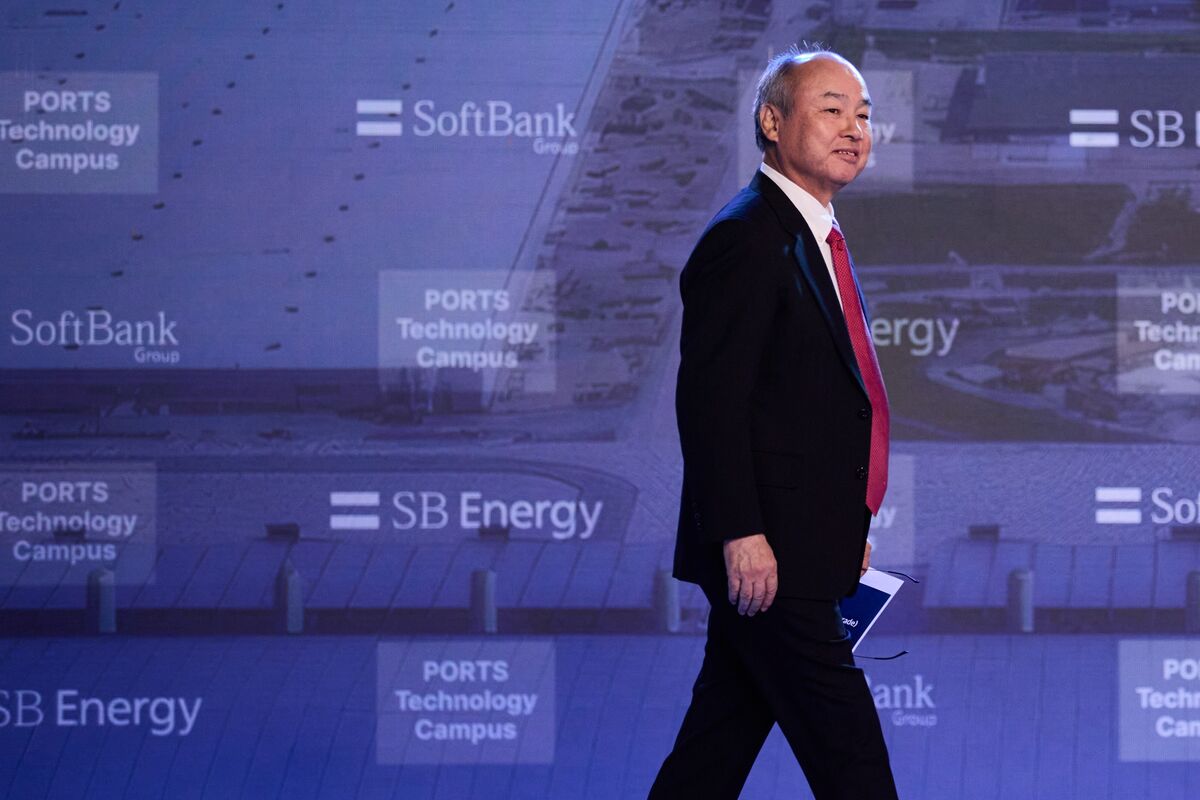
SoftBank founder Masayoshi Son’s $60 billion commitment to OpenAI is drawing internal concern, signaling governance and concentration-risk worries around one of the largest AI bets in private markets. The piece is largely a risk-focused podcast discussion rather than a new financial disclosure, so immediate price impact is likely limited.
This is less about one sponsor’s conviction than about the fragility of the private-market funding chain behind frontier AI. A commitment at this scale effectively turns SoftBank into a leveraged duration bet on a single model ecosystem, which raises the probability of forced portfolio recycling elsewhere if public-market volatility or funding gaps widen. The first-order winner is the AI compute stack: GPU vendors, networking, power, and data-center capacity providers should see persistent capital intensity as the market re-prices what it takes to keep frontier models funded. The second-order loser is every adjacent private AI company competing for late-stage capital. When one marquee backer concentrates so much dry powder on a single name, marginal funding for “good but not category-defining” startups becomes scarcer and more expensive, especially over the next 6-18 months. That can slow hiring, compress valuations, and increase acqui-hire pressure across application-layer AI and enterprise software where differentiation is thinner. Governance risk is the underappreciated catalyst. If internal skepticism is real, the market should watch for signs of portfolio monetization, asset sales, or a tighter posture on new commitments; those would imply the bet is crowding out optionality elsewhere. The reversal case is not simply that OpenAI underperforms — it is that capital markets demand discipline before the full payback arrives, forcing a reduction in risk appetite while AI infrastructure spend is still ramping. The contrarian view is that the market may be underestimating how durable the winner-take-most dynamic is in frontier AI. If the model layer continues to compound, a concentrated check today may look rational ex post because the economic rents accrue to the few firms that can credibly train at scale. In that scenario, concern inside the sponsor matters less than the strategic scarcity of top-tier AI assets, and the real trade is not against the bet itself but around which suppliers and enablers capture the spending wave.
AI-powered research, real-time alerts, and portfolio analytics for institutional investors.
Overall Sentiment
mildly negative
Sentiment Score
-0.20
