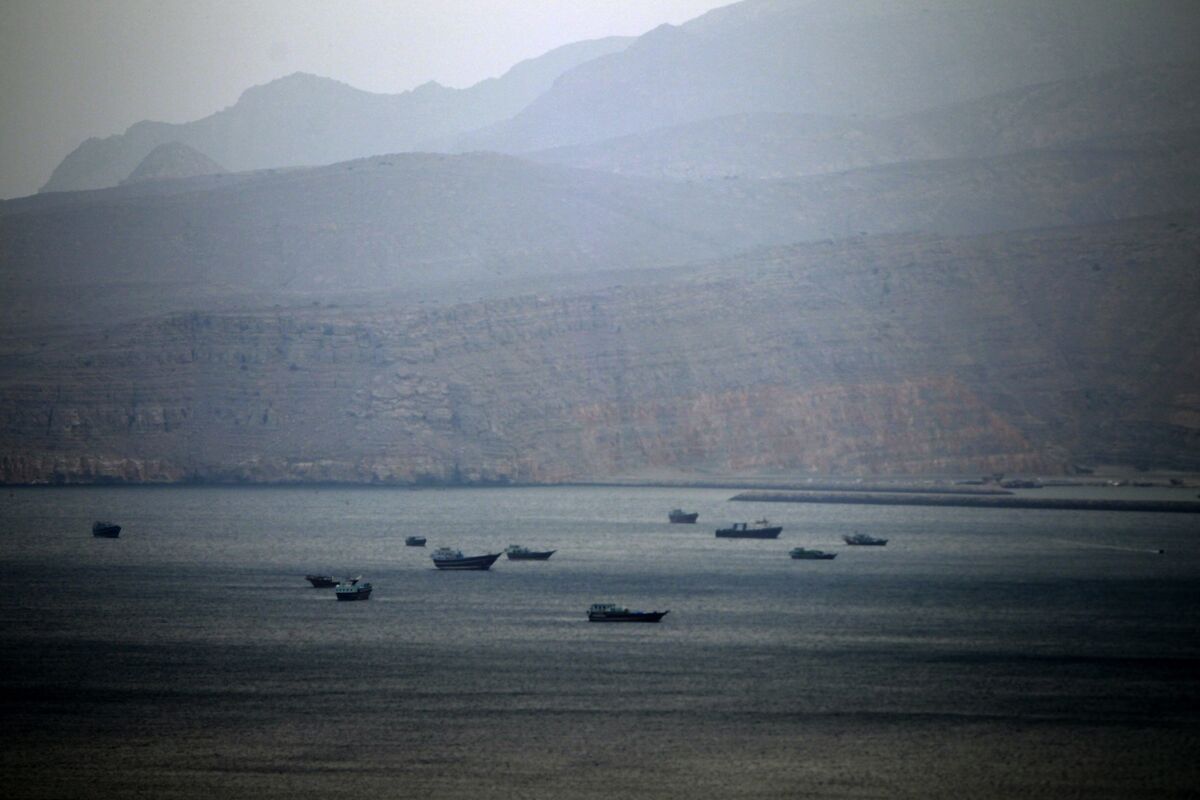
Amid escalating conflict in the Middle East, speculation arises regarding Iran potentially blocking the Strait of Hormuz, a critical waterway for approximately 25% of global seaborne oil trade. Such action, if successful, could severely disrupt oil supplies to major economies like China and Europe, leading to significant price increases and potential global economic instability.
The recent US military action against Iran's nuclear sites has materially escalated geopolitical tensions in the Middle East, introducing a significant tail risk to global energy markets. The primary concern, underscored by a strongly negative sentiment score (-0.8) and high market impact rating (0.9), revolves around the potential for Iran to retaliate by attempting to close the Strait of Hormuz, a critical maritime chokepoint. This waterway facilitates the transport of approximately 25% of the world's seaborne oil, making any disruption a severe threat to global supply chains. A successful blockade would immediately impact major energy-importing regions, including China and Europe, likely causing a dramatic spike in oil prices and introducing substantial volatility into commodity markets. The ripple effects of such a supply shock could destabilize the global economy, exacerbating inflationary pressures and potentially triggering a broader economic downturn.
AI-powered research, real-time alerts, and portfolio analytics for institutional investors.
Request DemoOverall Sentiment
strongly negative
Sentiment Score
-0.80
