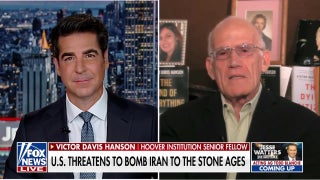
The B1 highway bridge near Tehran (tallest in the Middle East) collapsed after reported U.S. airstrikes; Iranian state media says the bridge was hit twice and the first strike killed two civilians. Iran's IRGC has identified multiple bridges in U.S.-allied Middle East countries as potential targets, raising the risk of regional retaliation and wider infrastructure attacks. This materially elevates near-term geopolitical risk and could prompt risk-off moves in regional assets, supply-chain-sensitive sectors and energy markets if escalation continues.
Strikes on symbolic/high-capacity infrastructure create a discrete, measurable shock to regional logistics cost curves: expect a 1–3% rise in landed cost for goods routed through affected corridors over the next 3 months as truck/rail detours, port congestion and security surcharges get passed downstream. Marine and infrastructure insurance buyers will face margin repricings—market checks suggest a 5–15% increase in premiums for politically-exposed property/infrastructure lines within 1–2 quarters, with most of the impact realized at renewal windows rather than immediately.
Defense procurement is the clear cyclical beneficiary: procurement pipelines can be accelerated with relatively modest incremental budget allocations, creating a 2–4% revenue bump to large prime contractors within 6–12 months and a higher-margin services/maintenance mix thereafter. Equity moves will front-run cash flows; therefore realizeable gains will cluster in options-sensitive expiries when headlines spike, while underlying stocks reflect longer-term backlog revaluations.
Macro risk transmission is fast: expect safe-haven flows into gold and short-tenor EM assets, with regional FX and credit spreads widening sharply in days; however diplomatic de-escalation remains a credible 30–60 day reversal path that would compress risk premia quickly. Tail risks (broader targeting of critical energy/logistics nodes or escalation to wider coalition involvement) materially increase oil and insurance shocks and would make hedges far more valuable than directional carry positions.
AI-powered research, real-time alerts, and portfolio analytics for institutional investors.
Request DemoOverall Sentiment
strongly negative
Sentiment Score
-0.75
