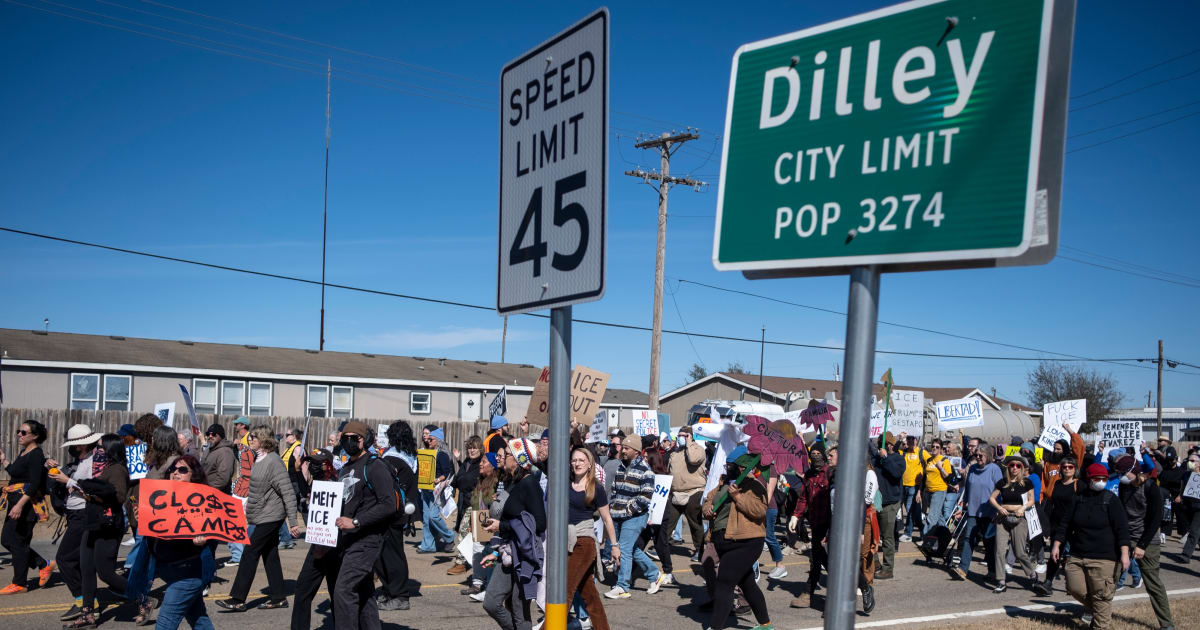
A 2-1 panel of the U.S. Court of Appeals for the Fifth Circuit upheld the Trump administration’s reinterpretation of a 2025 statute, ruling that immigration authorities may disqualify undocumented immigrants from bond and continue detaining them en masse. The decision reverses prior practice that allowed long-term detainees bond to fight deportation outside custody and creates legal and labor-market uncertainty for sectors dependent on undocumented workers, likely prompting further appeals and political/legal scrutiny.
Market structure: The immediate winners are private prison operators and ICE contract providers (CoreCivic CXW, GEO Group GEO, DHS contractors like Leidos LDOS and CACI CACI) who gain leverage from higher average daily detainee populations; a 10–20% population lift could translate into a ~5–15% revenue bump for large operators over 6–12 months given high fixed-cost operating leverage. Losers include NGOs, local governments facing higher operational costs and reputational/ESG-sensitive investors; states might see pockets of higher short-term demand for healthcare and security services, shifting local procurement to federal contractors.
Risk assessment: Key tail risks are legal reversal (appeal to SCOTUS) or a change in federal policy after elections — assign a meaningful 20–40% near-term probability that one of these catalysts meaningfully curbs detentions within 6–12 months. Hidden dependencies: contractor revenues depend on multi-year contract awards and occupancy minimums, not just policy headlines, so contract-level disclosure (award size, occupancy guarantees) within 30–90 days is the true revenue trigger. Market impact is likely sector-specific and idiosyncratic — minimal macro FX or bond effect unless budget amendments exceed ~$1bn.
Trade implications: Tactical trades favor small, conviction-weighted exposure: 2–3% equity exposure to CXW/GEO split 60/40, with 6–12 month upside targets of 40–60% if occupancy rises and contracts are extended; complement with 3–6 month call spreads on LDOS and CACI (1% each) to capture DHS contracting flow. Use protective hedges: buy 6–9 month puts equal to ~50% notional on CXW (cost-limit at 3% premium) or implement collars if put cost >3%; monitor DHS award feeds and court dockets within 30–90 days to size rollouts.
Contrarian angles: Consensus underestimates legal and political friction — pricing in steady occupancy is fragile and overweights headlines versus contract economics; private operators are exposed to crowding and ESG divest flows that can amplify downside. If occupancy fails to materialize or states block placements, downside can be 30–60% quickly; therefore prefer option-limited or hedged exposures and re-rate positions only after contract confirmations or sustained 3-month occupancy trends.
AI-powered research, real-time alerts, and portfolio analytics for institutional investors.
Request DemoOverall Sentiment
neutral
Sentiment Score
0.00
