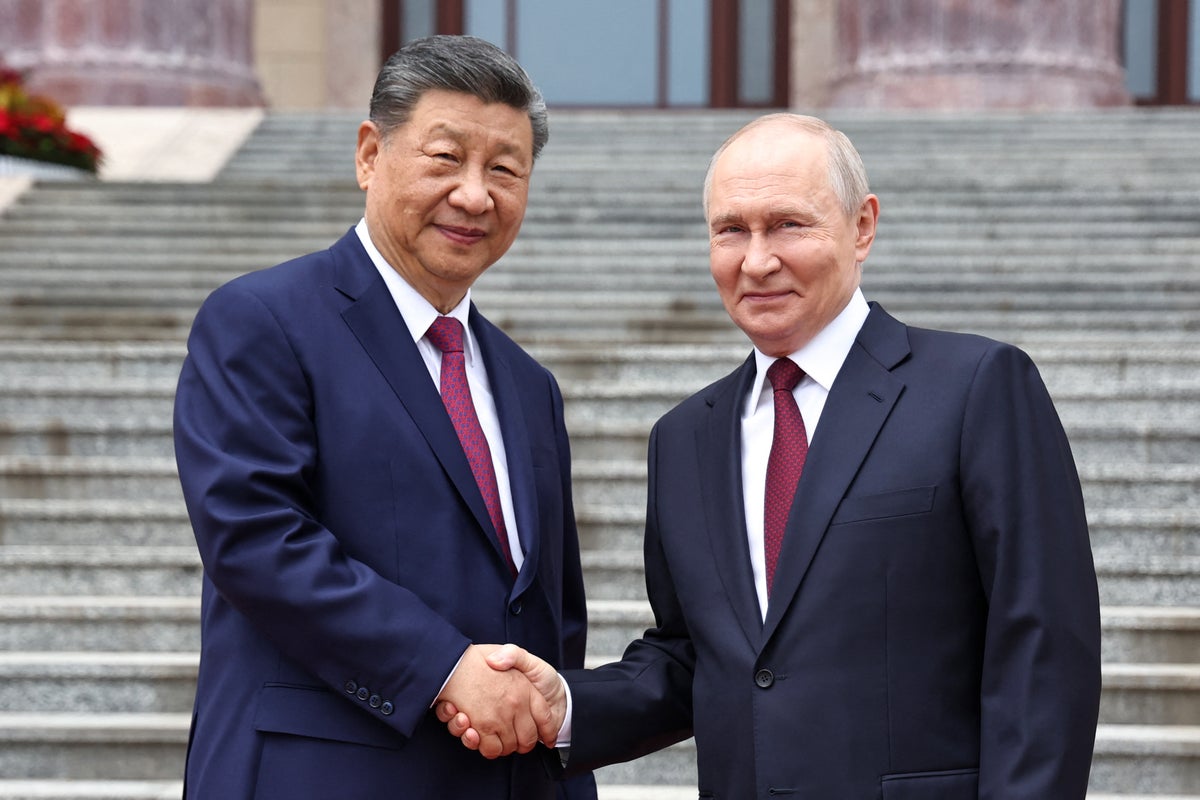
Putin and Xi signaled closer Russia-China alignment in Beijing, with Russia saying relations are at "unprecedentedly high levels" and that an energy agreement was reached. The talks centered on expanded economic cooperation, continued Russian energy exports to China, and a possible Power of Siberia 2 pipeline, though timing and details remain unresolved. The article also highlights ongoing war-related risk, including Russian strikes on Ukraine and NATO scrambling jets after a reported drone incursion in Lithuania.
The market implication is not the symbolism of the summit but the marginal de-risking of Russia’s export channels. A deeper China-Russia energy and trade alignment lowers the probability of a near-term supply shock in Russian crude, products, and gas, which should cap the upside in Europe-facing energy volatility even as headline geopolitics remain tense. The more important second-order effect is that Russia becomes increasingly dependent on a single buyer, shifting bargaining power to China and compressing Russia’s realized prices over time. For industrials and supply chains, the bigger issue is not direct sanctions escalation but the normalization of bloc-based trade routing. That tends to favor Chinese logistics, rail, pipelines, ship-to-shore, and commodity processing assets while structurally disadvantaging Europe’s energy-intensive manufacturers and any firms with residual exposure to Eurasian transit uncertainty. If the Power of Siberia 2 discussion progresses, it strengthens the medium-term bearish case for LNG pricing in Europe by increasing the odds that Russian molecules stay in Asia rather than re-entering western markets. The contrarian takeaway is that the summit may be less bullish for Russia than the market assumes. China can extract better terms from a constrained seller, meaning nominal trade growth does not automatically translate into better Russian fiscal quality or higher upstream profitability. Meanwhile, if diplomatic outreach among Europe, China, and the US continues, the premium embedded in defense and energy hedge positions could fade faster than the headline conflict risk suggests. Catalyst timing matters: the next 1-3 weeks are headline-driven for defense and volatility, but the 3-12 month window is where gas-routing, freight, and commodity price effects show up. The primary reversal risk is any substantive ceasefire or sanctions carve-out that reopens optionality for Russian exports outside China, which would unwind the scarcity premium in European energy and defense-related risk premiums.
AI-powered research, real-time alerts, and portfolio analytics for institutional investors.
Request DemoOverall Sentiment
neutral
Sentiment Score
-0.10
