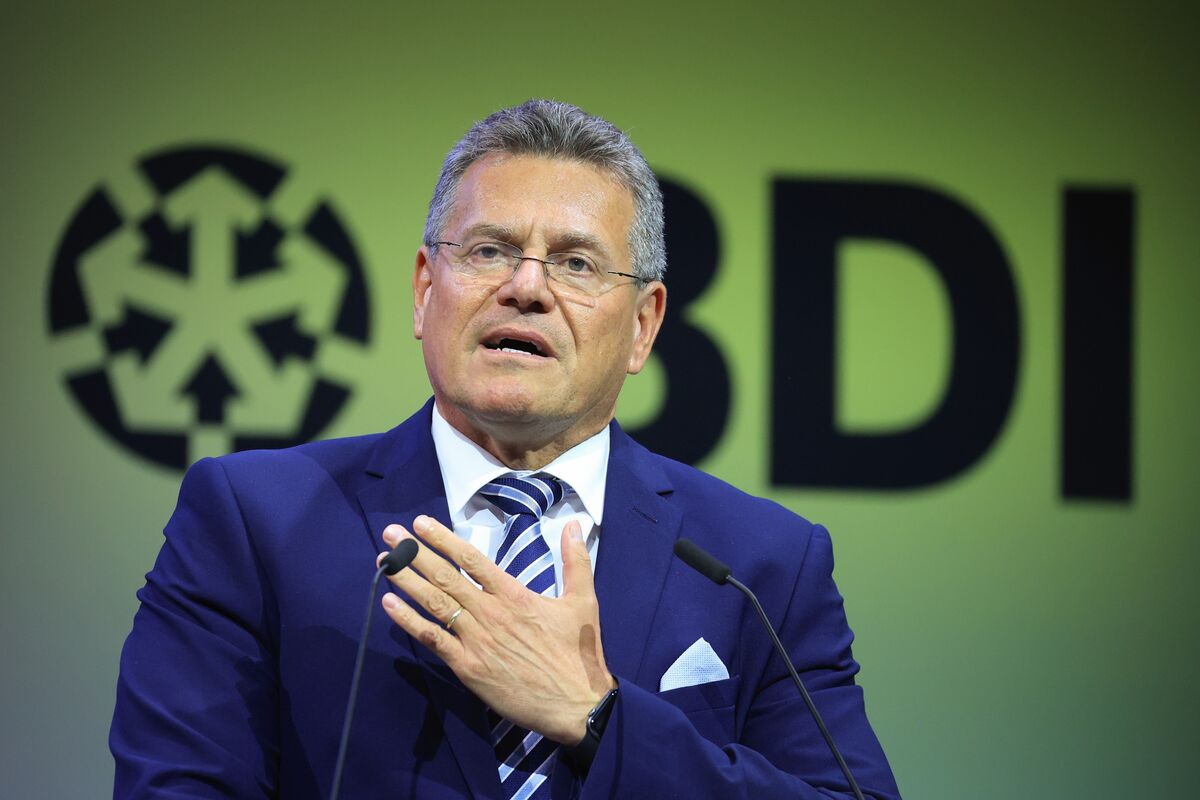
EU Trade Chief Maros Sefcovic announced plans to finalize free trade agreements with Malaysia, the Philippines, and Thailand by 2027, ahead of the 50th anniversary of EU-ASEAN relations. This strategic initiative aims to significantly boost the EU's current 10% share of ASEAN trade, despite its position as the region's second-largest foreign investor, signaling a concerted effort to deepen economic integration.
The European Union is signaling a strategic initiative to deepen its economic integration with Southeast Asia, as articulated by Trade Chief Maros Sefcovic's goal to finalize free trade agreements (FTAs) with Malaysia, the Philippines, and Thailand by 2027. This move directly addresses a significant disparity in the EU's current relationship with the region; despite being the second-largest foreign investor in ASEAN, the EU accounts for only a modest 10% of the bloc's total trade. The proposed FTAs represent a clear policy action to bridge this gap between investment and trade, aiming to unlock new growth avenues and potentially reconfigure supply chains for European firms. Setting a 2027 deadline, which aligns with the 50th anniversary of EU-ASEAN relations, adds political weight and a clear timeline to the negotiations, underscoring a firm commitment to expanding the EU's commercial footprint in these key emerging markets.
AI-powered research, real-time alerts, and portfolio analytics for institutional investors.
Request DemoOverall Sentiment
moderately positive
Sentiment Score
0.40
