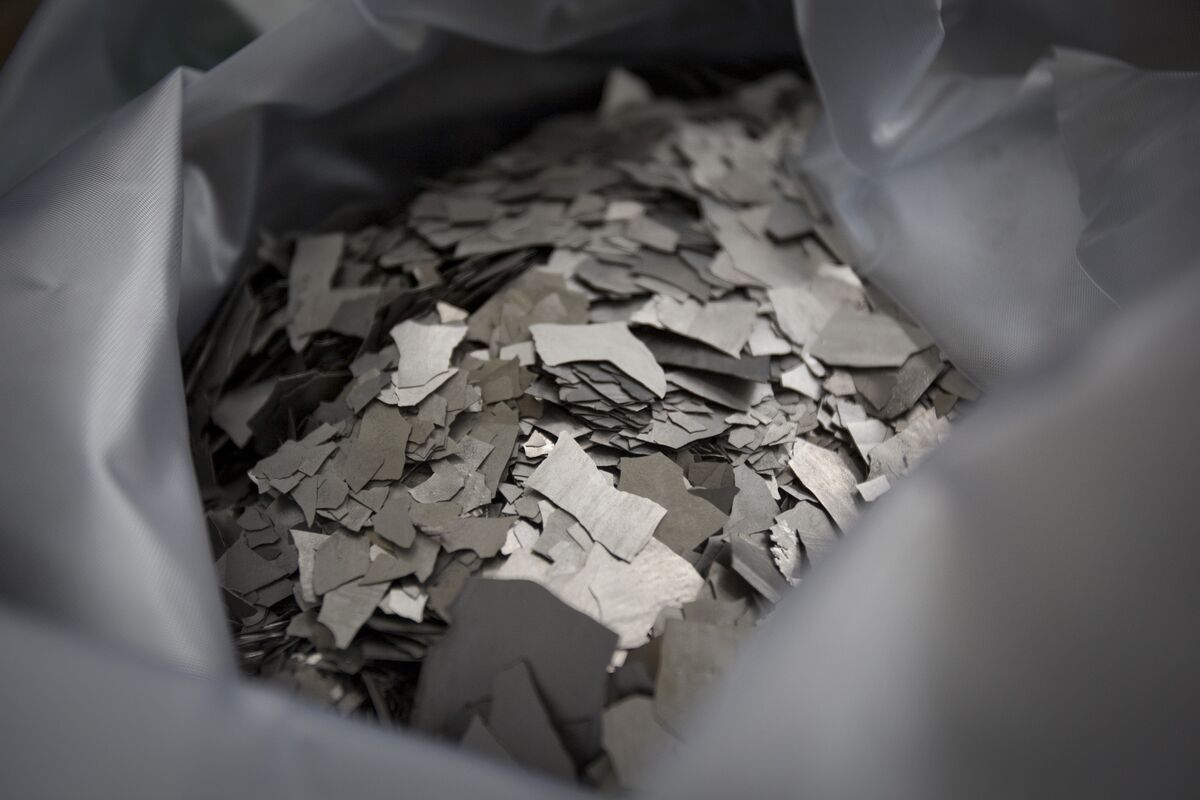
Neo Performance Materials CEO Rahim Suleman asserted that China's technical expertise and competitiveness necessitate its continued dominance in the global rare-earth supply chain. This statement from a leading western critical materials producer, with global operations including in China, highlights the enduring strategic importance of Chinese rare-earth production amidst ongoing efforts to diversify supply.
The CEO of Neo Performance Materials Inc., a major Western producer of critical materials, has publicly stated that China should and will remain the dominant force in the global rare-earths supply chain. This assertion, made by CEO Rahim Suleman, is grounded in China's superior "technical expertise and competitiveness." This perspective is particularly significant given the widespread geopolitical push to establish alternative, ex-China supply chains. The statement from an industry insider with operations in China, Europe, and North America suggests that complete decoupling is viewed as impractical and potentially detrimental from an operational standpoint. Neo Performance Materials' own integrated global strategy, which includes a presence in China, reinforces the pragmatic view that leveraging Chinese capabilities is essential for maintaining competitiveness. The market's mildly positive sentiment reaction suggests an appreciation for this realistic assessment over politically-driven but operationally challenging diversification narratives.
AI-powered research, real-time alerts, and portfolio analytics for institutional investors.
Request DemoOverall Sentiment
mildly positive
Sentiment Score
0.30
