


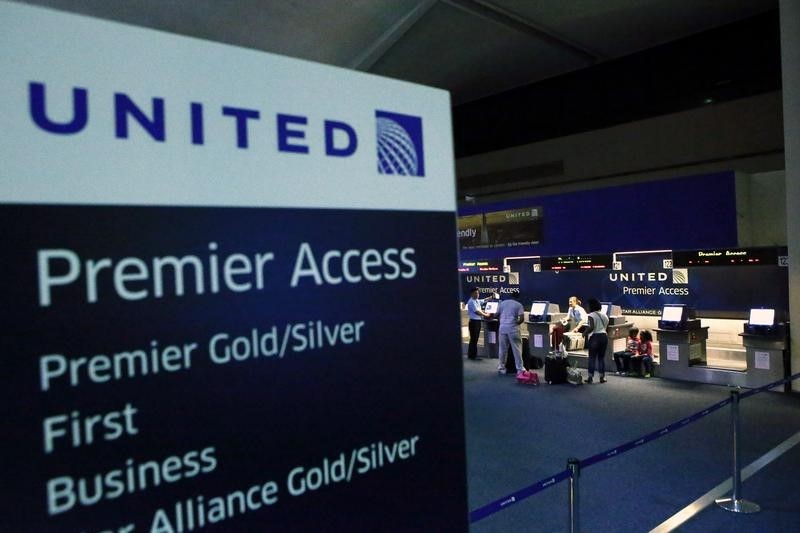
The White House said it has no position on reports that United Airlines is considering a merger with American Airlines, after United CEO Scott Kirby reportedly raised the idea with President Trump in February. The proposed combination would be the largest U.S. airline consolidation in more than a decade and would face significant regulatory and antitrust hurdles. The headline is notable for airline stocks, but the article contains no deal terms or confirmation of active negotiations.
The market is implicitly treating this as an AI optionality catalyst for TSLA, but the bigger signal is governance: management is trying to re-rate the equity from an auto cycle name into an infrastructure-like compute story. That helps in the short run because it widens the buyer base to growth and AI funds, but it also raises the bar for execution; once the market capitalizes the claim, any delay in monetization becomes a multiple compression event rather than just an earnings miss.
For UAL/AAL, the key second-order effect is not the merger probability itself but the signaling that large network carriers may keep probing consolidation. That keeps a bid under domestic airline antitrust spreads in the near term, yet it also increases the probability of defensive capacity discipline across the group as management teams act like merger optionality exists even if regulators eventually block it. The losers are likely consumers and smaller route competitors over a multi-year horizon, but in the next few months the more tradable effect is headline volatility, not completed deal economics.
The contrarian miss is that a denied or slow-moving merger can still be bullish for the airlines if it catalyzes rational pricing and industry-wide share repurchases, while a true merger approval could be less accretive than expected because integration risk, labor friction, and forced divestitures could neutralize much of the synergies. In TSLA, the move may be overextended if investors are extrapolating one milestone into a durable AI monetization curve; the stock can hold a higher range only if this becomes a repeatable cadence of technical wins, not a one-off announcement.
AI-powered research, real-time alerts, and portfolio analytics for institutional investors.
Overall Sentiment
neutral
Sentiment Score
0.10
Ticker Sentiment
