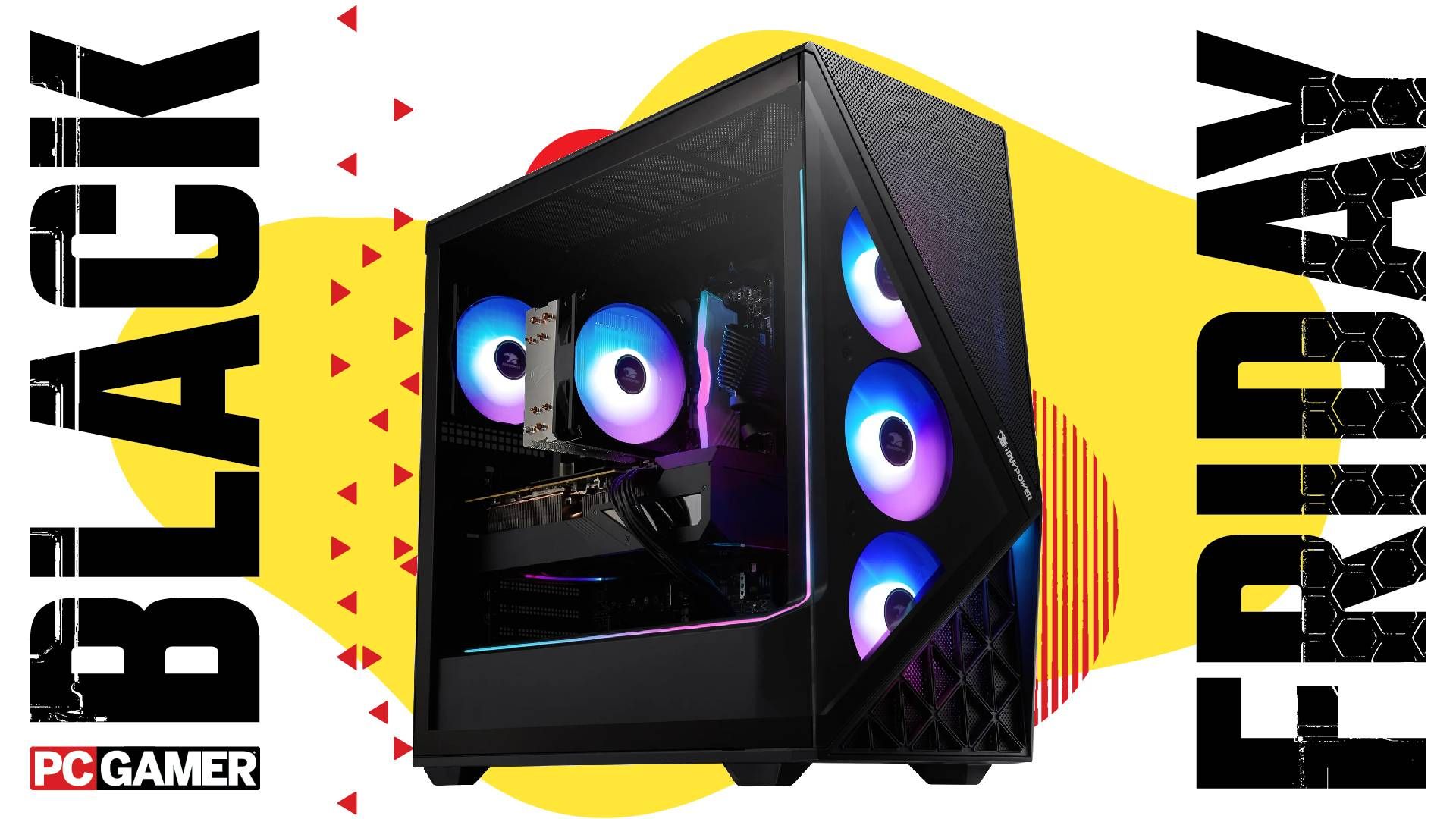
Walmart is offering a sub-$1,000 gaming PC configured with an Intel Core i5-14400F, NVIDIA GeForce RTX 5070, 16 GB DDR5-5200 and a 1 TB SSD as a Black Friday deal, delivering RTX 5070 performance for a price below many RTX 4060 Ti/5060 systems. The combination of improved price-to-performance for the RTX 5070 (marginally ahead of the RTX 4070 Super) and aggressive retail pricing could pressure competitor pricing and influence upgrade demand across OEMs and component suppliers, particularly for memory and GPUs.
Market structure: Retailers (WMT) and GPU leader Nvidia (NVDA) are the primary beneficiaries if RTX 5070-equipped systems trade at sub-$1,000; that price point suggests OEMs/retailers are using GPU cost reductions to chase volume, pressuring mid/high ASP OEMs (some HPQ gaming SKUs) and smaller boutique builders. Competitive dynamics favor Nvidia’s architecture-led pricing power vs AMD (AMD) in the near term; expect NVDA share gains in discrete-desktop and prebuilt channels over the next 3–12 months if these discounts persist.
Supply/demand & cross-asset: The deal signals either improved GPU supply (yields/capacity up) or intentional channel clearing — both imply downward pressure on GPU ASPs and potential inventory drawdown for components; electronics CPI contribution could tick lower, mildly bullish for longer-duration government bonds (2–10bps) but negligible commodity impact. FX/commodities impact is minimal; options markets for NVDA and AMD will stay elevated around earnings/CES windows.
Risk assessment & catalysts: Tail risks include sudden regulatory export limits, a surprise AMD competitive SKU, or a crypto-style demand shock reversing within 1–3 months; operational risks include OEM inventory glut leading to margin compression in FY+1. Key catalysts: NVDA quarterly results, CES/AMD launches (next 4–12 weeks), and retailer inventory reports (Nov–Jan) that will confirm whether pricing is temporary promotion or structural.
Trade implications & contrarian view: Consensus prices NVDA leadership but underestimates margin sensitivity if ASPs decline >10%. Historically (2018–19 GPU cycle) channel clearing preceded a 6–9 month pricing trough; if retailer inventory measures exceed seasonal averages by >10%, expect 5–15% downside for OEM margin-sensitive names. Conversely, retailers and NVDA could rally on share gains if attach rates and post-sale upgrades (RAM/SSD) offset lower ASPs.
AI-powered research, real-time alerts, and portfolio analytics for institutional investors.
Request DemoOverall Sentiment
moderately positive
Sentiment Score
0.55
Ticker Sentiment
