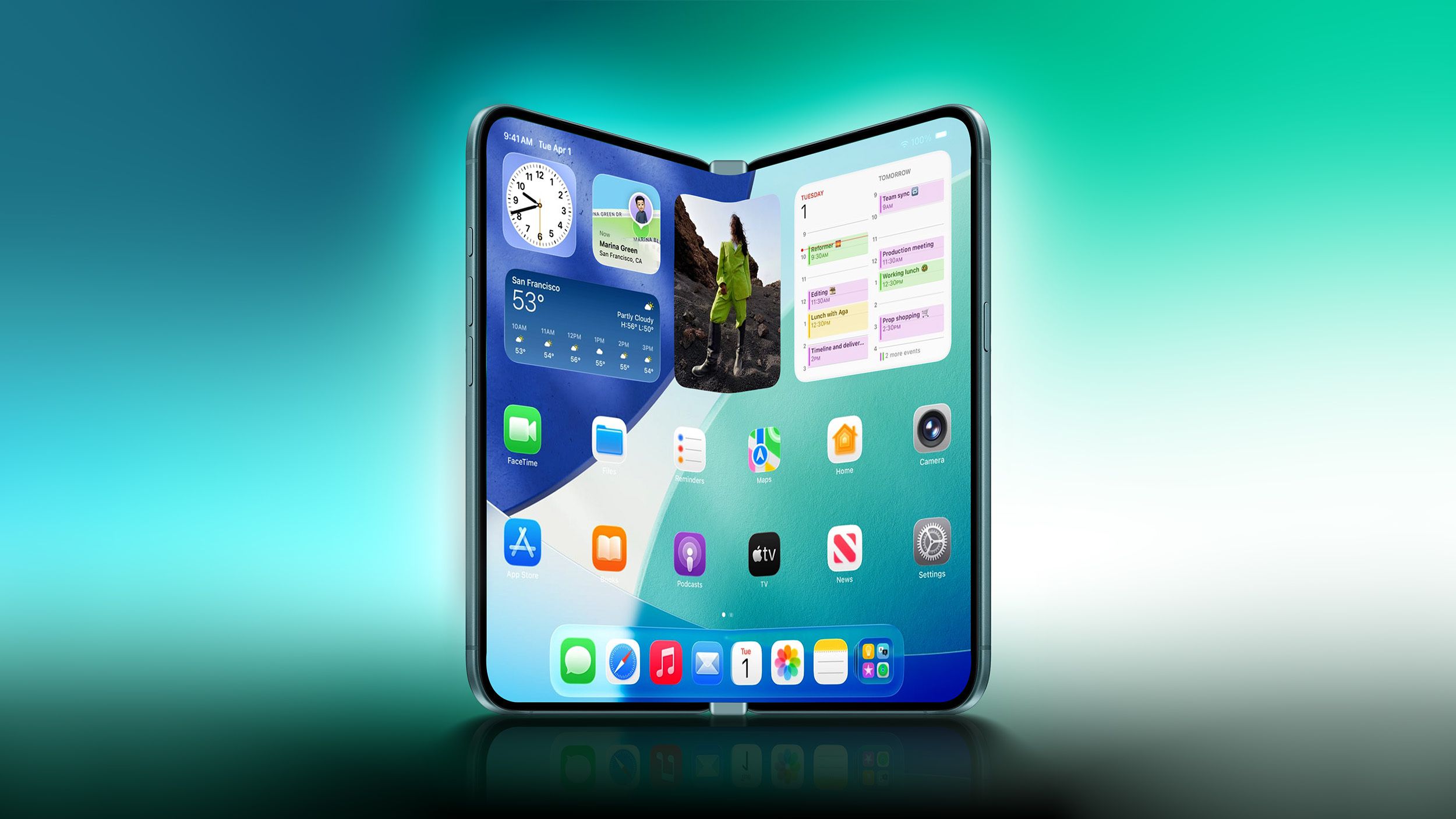
Apple is reportedly preparing a foldable iPhone for September, potentially called iPhone Ultra, with Bloomberg’s Mark Gurman saying it will feature improved durability and a less visible screen crease than competing foldables. The device is expected to have a 7.7-inch inner display, 5.3-inch outer display, two rear cameras, a front camera, and a Touch ID power button. The report is constructive for Apple’s product roadmap, but near-term market impact should be limited as the launch remains forward-looking and unconfirmed.
Apple is trying to do more than enter the foldable category; it is attempting to reprice it. A credible foldable from Apple changes the narrative from “novelty with compromises” to “premium replacement cycle,” which matters because the install base that buys into the first-gen device will be disproportionately high-income, upgrade-early users with strong accessory attach and services monetization. That creates a second-order benefit for AAPL’s margin profile even if unit volumes are modest: the mix shift can support gross margin because the device is likely to sit at the very top of the portfolio while pulling through higher-value ecosystem usage.
The bigger market implication is not the handset itself but the competitive reset it forces on Android OEMs and component vendors. If Apple’s crease and durability claims hold up, Samsung-style first-mover advantage in foldables gets commoditized faster, pressuring pricing power across premium Android hardware and compressing the differentiation premium that supported supplier profits in hinges, flexible displays, and ultra-thin glass. Conversely, any supply chain bottleneck would be highly levered because foldables are operationally more complex than slab phones; a single delayed component can cap early volumes and create a “scarcity premium” that lifts lead times but hurts conversion rates.
The key risk is timing: this is a 6–18 month catalyst, not an immediate earnings driver. If the launch disappoints on weight, battery life, or visible crease, the stock could see a classic sell-the-news response because expectations are already set for a category-defining product. But if Apple positions it as a limited, halo device rather than a mass-market volume engine, the market may underappreciate how much of the value accrues through ecosystem lock-in rather than direct iPhone unit growth.
The contrarian view is that investors may be overfocusing on unit TAM and underweighting gross margin resilience and share shift from Android at the top end. The most attractive setup may be in suppliers with Apple-grade qualification but limited consensus visibility, where even small production ramps can produce outsized earnings revisions.
AI-powered research, real-time alerts, and portfolio analytics for institutional investors.
Request DemoOverall Sentiment
mildly positive
Sentiment Score
0.20
Ticker Sentiment
