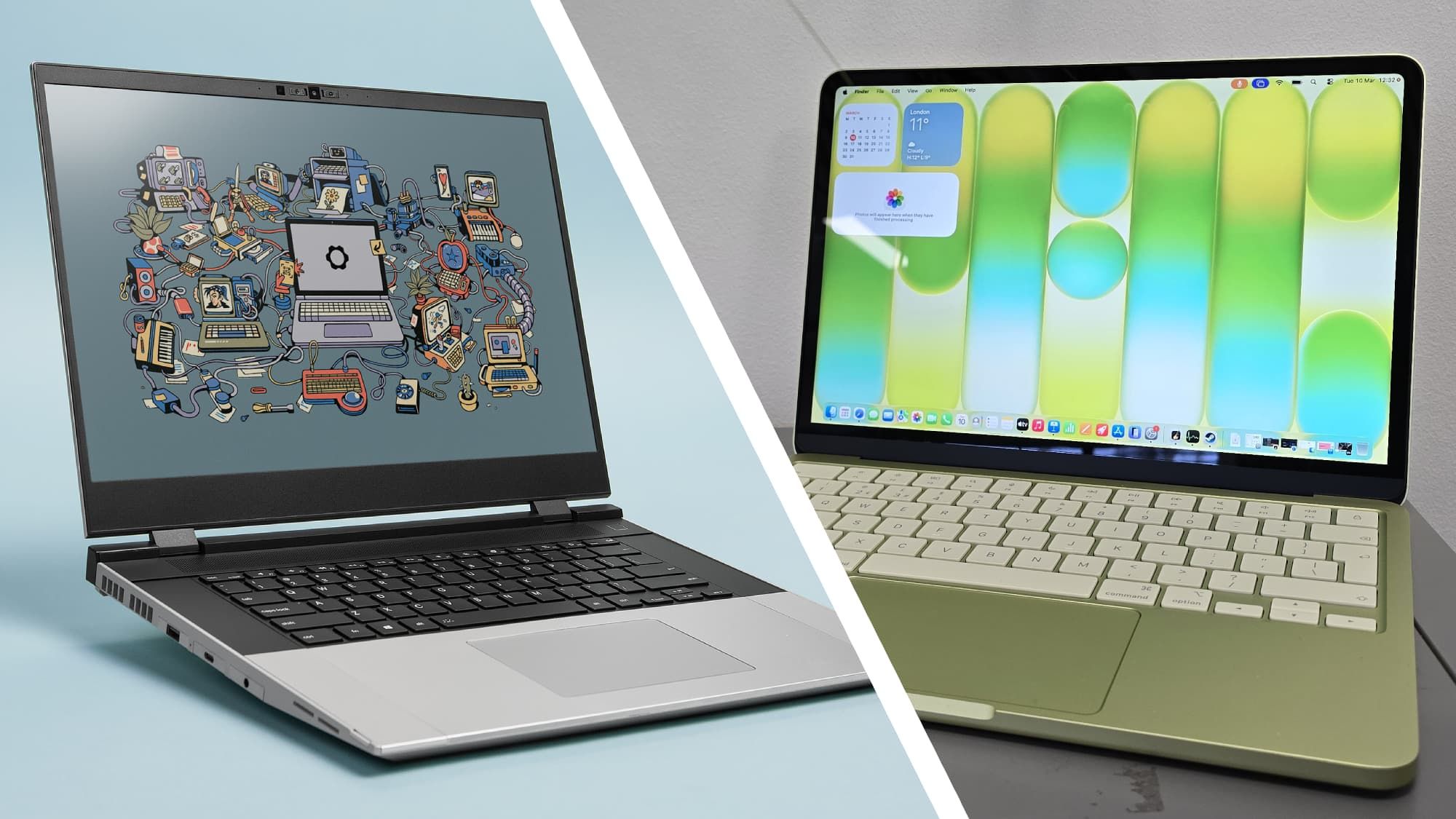
Framework founder Nirav Patel publicly tore down Apple's MacBook Neo and argued it is insufficiently repairable compared with the modular Framework Laptop, citing a screw‑heavy keyboard and a non‑replaceable display assembly. The article frames the dispute as philosophical—Apple prioritizes product longevity and a controlled ecosystem for first‑time Mac buyers while Framework emphasizes repairability and reduced e‑waste; one cited study suggests MacBooks last roughly 2x longer than typical Windows PCs in enterprise settings.
Apple’s strategic objective here is not a component-level design tradeoff but an installed-base play: incremental low-friction entrants into the ecosystem amplify recurring revenue streams (services, iCloud, accessories, future upgrades) over a multi-year horizon, so marginal design concessions that reduce DIY repairability can be rationalized if they lift lifetime revenue per user by a few percent. That means device-level ergonomics (thinness, battery life, reliability) that suppress replacement frequency are as important to Apple’s P&L as optional modularity that benefits niche buyers.
Second-order winners are suppliers and partners that benefit from higher unit volumes tied to a broad funnel — primarily custom silicon fabs, proprietary connector suppliers, and Apple-certified repair channels — while modular-hardware specialists and third-party repair merchants face a smaller addressable market unless regulation shifts. Expect component sourcing to stay biased toward bespoke parts and adhesive/body-integration specialists, which raises switching costs for OEMs who might contemplate a pivot to repair-first designs.
Regulatory and reputational catalysts matter on a 6–36 month cadence: incremental Right-to-Repair mandates or high-profile litigation could force hardware design changes and open a path for modular competitors, whereas slow legislative timelines keep the incumbent advantage intact. The key inflection to watch is not the teardown clips but actual replacement/upgrade rates and Apple’s services ARPU trends, which will determine whether repairability discourse ever meaningfully hits revenue.
Contrarian angle: enthusiast-driven repairability metrics are a poor proxy for mass-market economics. The market may be underpricing the resilience of Apple’s funnel + services moat, but it should also discount a non-trivial regulatory tail-risk that could compress hardware margins and benefit niche modular players if enacted swiftly.
AI-powered research, real-time alerts, and portfolio analytics for institutional investors.
Request DemoOverall Sentiment
neutral
Sentiment Score
0.00
Ticker Sentiment
