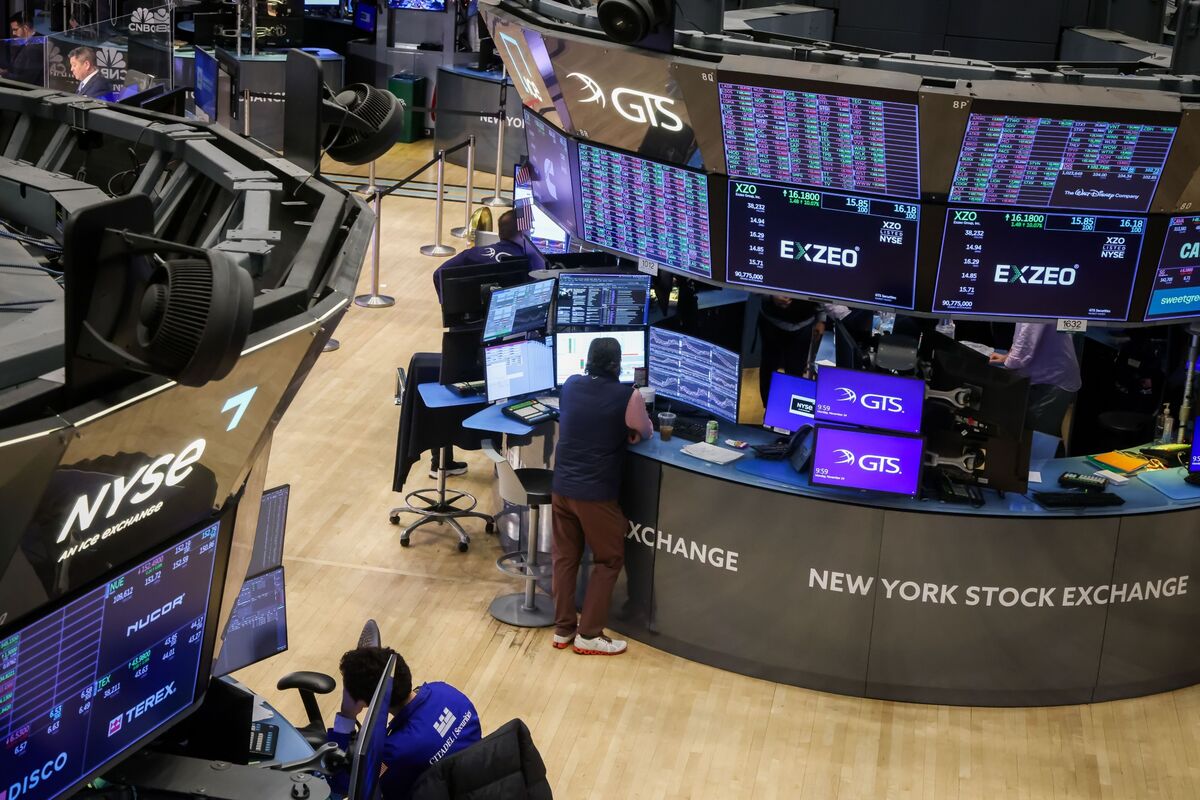
A broad, cross-asset rally during the quiet Thanksgiving week saw stocks, bonds, Bitcoin and commodities all advance sharply, marking one of the strongest coordinated moves of the year. The rebound followed earlier volatility driven by concerns over speculative excesses and lofty artificial‑intelligence valuations, and persisted despite a rare CME trading outage — underscoring a shift in investor positioning and renewed risk appetite across markets.
Market structure: the “everything rally” favors cyclical producers, commodity miners and credit spread compression — beneficiaries include energy (XLE), base-metals/miners (GDX) and high-yield (HYG) as carry + reflation flows return. Losers are stretched AI/mega-cap momentum names (QQQ, NVDA) and infrastructure-sensitive firms like exchanges (CME) whose operational outages raise trading-friction risk and short-term revenue disruption. Cross-asset breadth (stocks, bonds, BTC up together) signals a liquidity-driven squeeze rather than fundamental re-pricing: expect narrower breadth and rotation if macro prints turn hawkish.
Risk assessment: immediate (days) tail risk is a liquidity-driven snapback — IV spikes and 1–3% daily reversals in major indices; short-term (weeks–months) risks include regulatory moves on AI/crypto and CME/CFTC inquiries following outages; long-term (quarters–years) risks center on profit cycle for AI winners and commodity capex normalizing prices. Hidden dependencies include dealer balance-sheet capacity, concentrated options positioning (put/call skew), and margining in futures — a single technical margin change could amplify moves. Catalysts to accelerate reversal: stronger-than-expected CPI, hawkish Fed comments, or formal probes into exchange uptime.
Trade implications: favor tactical long cyclicals/commodities for 3–12 months (XLE, GDX 2–4% allocations) while trimming or hedging AI mega-cap exposure (1–3% via protective puts on QQQ/NVDA). Use relative-value pairs: long XLE vs short QQQ to capture rotation; size 1–2% net notional. Options: sell very-short-dated (1–2 week) SPY call/put premium only if delta-hedge capability exists, while buying 3-month SPY 3–5% OTM puts as tail protection.
Contrarian angles: consensus ignores that simultaneous bond+stock rallies often precede dispersion; the move likely overstates durable demand — if CPI re-accelerates yields can gap higher and puncture equity complacency. Historical parallels: post-liquidity squeezes (2013 taper tantrum, 2020 post-shock rallies) reversed when macro tightened. Unintended consequence: crowded long-commodity and long-credit trades elevate systemic margin risk — keep positions small, liquid and stress-tested for 5–10% adverse move.
AI-powered research, real-time alerts, and portfolio analytics for institutional investors.
Request DemoOverall Sentiment
moderately positive
Sentiment Score
0.55
Ticker Sentiment
