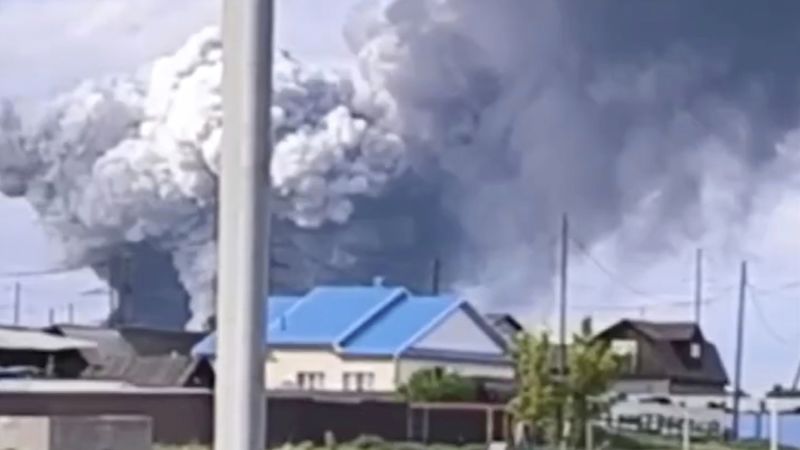
Following Ukrainian drone strikes on Russian strategic aircraft, pro-Kremlin figures are publicly calling for retaliatory measures, including nuclear strikes, raising concerns about potential escalation. While a nuclear response is considered unlikely due to potential international backlash and strained relations with key partners, Russia's updated nuclear doctrine and the need to restore deterrence after recent military setbacks, including attacks on the Kerch bridge and energy infrastructure, may increase the risk. Experts suggest a more probable response would be intensified conventional missile and drone strikes on Ukrainian cities, but the possibility of unexpected escalation remains a concern given the unpredictable nature of the conflict.
Recent Ukrainian drone strikes targeting strategic Russian aircraft deep within its territory have elicited strong calls for retribution from pro-Kremlin voices, including demands for nuclear retaliation, thereby escalating geopolitical tensions. While Moscow's official response remains measured, pending an investigation, the public discourse, amplified by influential bloggers on platforms like Telegram, highlights a significant internal pressure for a decisive counter-action. Russia's updated nuclear doctrine, which permits a nuclear response to attacks on critical military infrastructure that disrupt nuclear forces, is being cited by some Russian commentators as a potential justification, especially given the reported destruction of strategic nuclear bombers. However, the probability of a nuclear strike is generally considered low due to the severe anticipated consequences, such as profound international isolation, damaged relations with key partners like China and India, and the risk of provoking direct military confrontation. The Kremlin is nevertheless under considerable pressure to restore deterrence following a series of military setbacks, including repeated attacks on the Kerch bridge, the loss of territory in the Kursk region, and persistent drone attacks on Russian energy infrastructure and airports. Concurrently, Ukraine's allies are progressively easing restrictions on the use of Western-supplied weaponry against targets in Russia. Experts, such as former Russian deputy energy minister Vladimir Milov, suggest that Moscow's most probable course of action involves intensified conventional missile and drone strikes on Ukrainian urban centers, a tactic reflecting Russia's limited capacity for a major ground offensive rather than a nuclear escalation. The situation, marked by a 'strongly negative' sentiment and a high 'market impact score' of 0.8, remains highly volatile, with the potential for unforeseen escalations in this ongoing conflict.
AI-powered research, real-time alerts, and portfolio analytics for institutional investors.
Request DemoOverall Sentiment
strongly negative
Sentiment Score
-0.60
