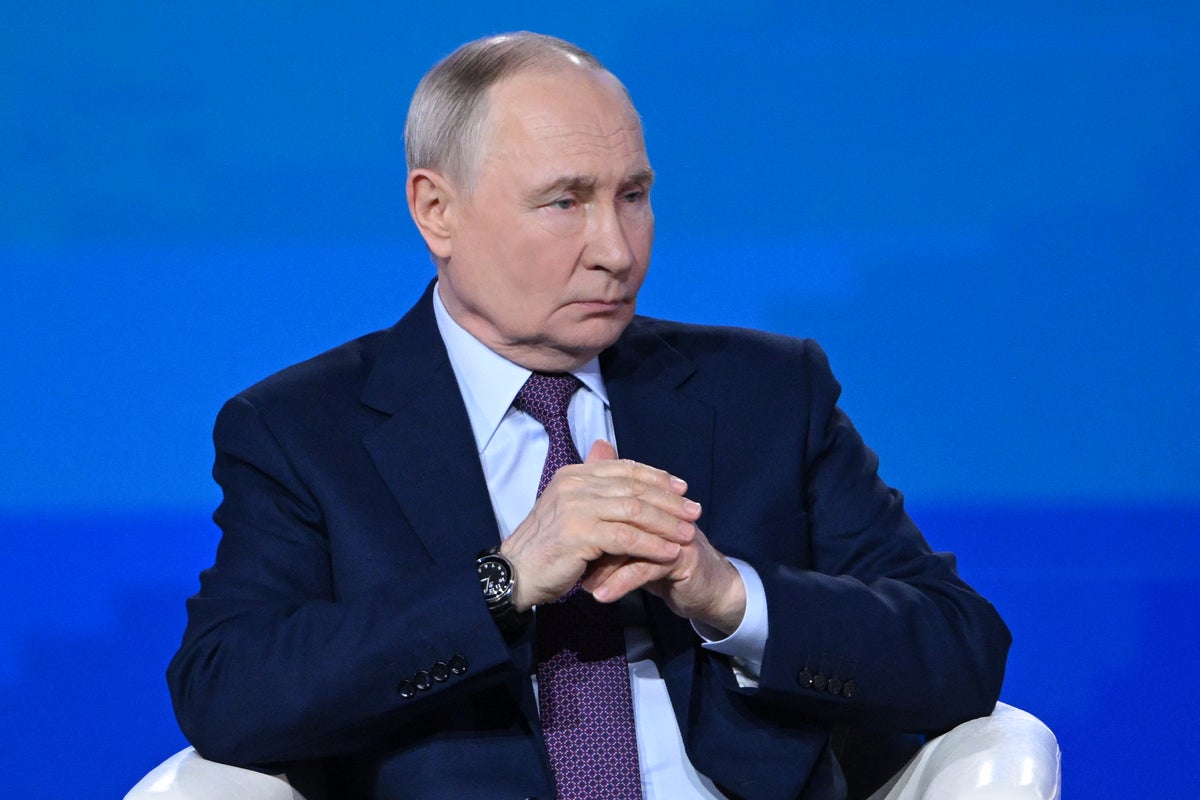
Putin has asked oligarchs to donate to Russia's budget as Kyiv war funding dwindles, while Canada added 100 shadow-fleet vessels to sanctions and the UK authorised boarding of Russian ships. The Pentagon is reportedly considering diverting Nato-purchased air-defence interceptors from Ukraine to the Middle East, and Zelensky made an unannounced Saudi visit as Ukraine offers surplus, battle-tested systems while its defence industry operates at ~50% capacity. Russia claims capture of Sheviakivka and Ukraine reports retaking Berezove amid a 1,250km frontline; reports of Russia recruiting unfit personnel heighten battlefield and supply-chain risks, creating a broad risk-off shock for energy flows and defence supply dynamics.
Putin’s appeal to oligarchs is a market-grade signal of fiscal bleed: Moscow will prioritize cash-generating exports and tolerate higher operational risk in the shadow fleet rather than slow the war. That implies a sustained premium to tanker freight and marine insurance spreads for quarters, not days, because enforcement will be incremental and leak-prone — expect Baltic TC indices to be bid whenever interdiction headlines spike.
The reported re-routing of US munitions to the Middle East is a supply shock for Ukraine with a clear pass-through to defence procurement cycles; shortfalls in interceptor missiles and munitions create immediate optionality for primes that can scale production (LMT/RTX/GD) and for nations buying battle-tested Ukrainian systems. Simultaneously, Ukraine turning surplus systems into export revenues creates a new, opaque weapons market in the Gulf that raises proliferation and maintenance-servicing demand, favoring specialized integrators and satellite/intelligence vendors.
Tail risks cluster around sharp escalation from interdiction actions (UK boarding, Canada’s shadowfleet bans) which could trigger retaliatory asymmetric steps against ships or insurance hubs — days-to-weeks for market shocks, but the normalization of higher risk premia can last many quarters absent a coordinated diplomatic rollback. A rapid reversal would come from large US/NATO ammunition replenishments or a diplomatic deal unlocking Russian energy flows within 30–90 days, which would compress freight and defence upside.
Consensus frames this as episodic headline risk; it underestimates structural re-pricing of maritime security and defence supply chains. Best asymmetry is to own exposure to the tightened maritime-insurance/freight complex and to defence manufacturing while hedging seizure/legal actions and the possibility of swift diplomatic de-escalation.
AI-powered research, real-time alerts, and portfolio analytics for institutional investors.
Request DemoOverall Sentiment
strongly negative
Sentiment Score
-0.65
