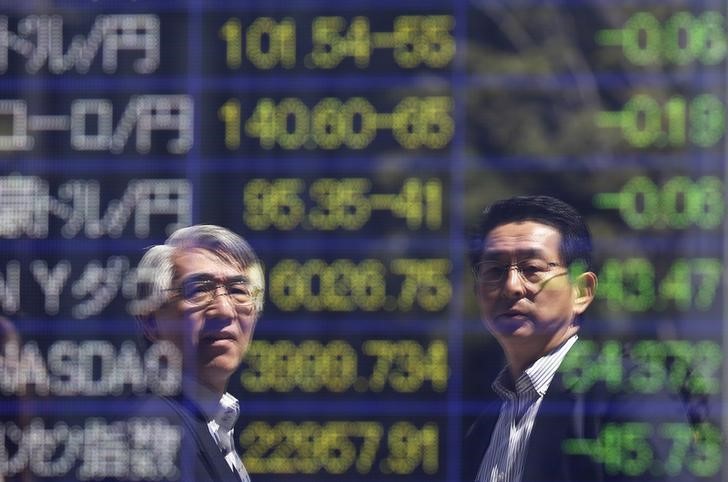
KOSPI led gains, rallying 6.5% after President Trump said U.S. military action against Iran could wind down in 2–3 weeks; Samsung and SK Hynix jumped up to ~10% each. Broader Asian benchmarks rose sharply: Nikkei +4.0%, TOPIX +3.9%, ASX 200 +1.7%, CSI 300 ~+1.4%, Hang Seng +1.8%. South Korea’s export data showed a 48.3% surge in March and manufacturing PMI expanded, underpinning the rally even as oil prices rose amid uncertainty over reopening the Strait of Hormuz.
The market move looks driven more by a narrative shift in perceived geopolitical trajectory than by a durable macro inflection; that means the next 1–3 weeks will be dominated by positioning flows and short-covering rather than fundamentals. Expect elevated dispersion: names that were structurally oversold will outpace durable winners as quant funds and discretionary managers rebalance regional betas and harvest losses.
In semiconductors the rally is a classic overshoot-recovery pattern — mean reversion in price does not instantaneously erase an inventory or demand cycle that plays out over quarters. Thus upside is front-loaded (weeks) while downside risk remains if AI-driven end-market orders fail to materialize over the next 2–6 months, especially for memory suppliers whose pricing lags wafer demand by multiple quarters.
Energy and shipping remain the wildcard: changing military posture creates asymmetric tail risk for Asian importers because a reversal would spike freight, insurance and Brent volatility quickly. That makes directional equity exposure to Asian exporters and airlines time-sensitive — short-term gains can be wiped out by a single renewal of supply-chain stress, so overlay hedges or option protections should be considered for multi-week positions.
AI-powered research, real-time alerts, and portfolio analytics for institutional investors.
Overall Sentiment
moderately positive
Sentiment Score
0.60
