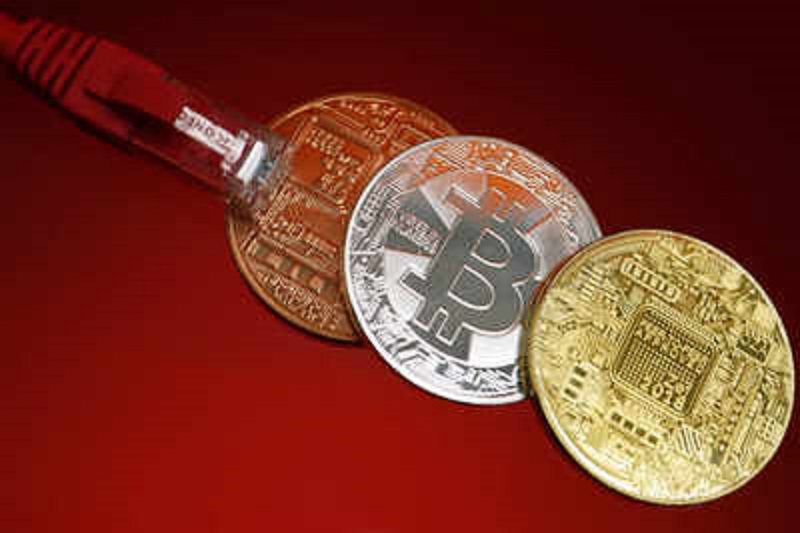
MARA announced a ~$1.0 billion convertible note repurchase (approx. $367.5M of 2030 notes for ~$322.9M and $633.4M of 2031 notes for ~$589.9M) that will close March 30–31, 2026 and capture roughly $88.1M of cash savings (~9% discount to par). The transactions will reduce outstanding convertible indebtedness by ~30%, lowering total convertible notes from $3.3B (Dec 31, 2025) to about $2.3B, leaving $632.5M of 2030 notes and $291.6M of 2031 notes outstanding. MARA funded the repurchase by selling 15,133 bitcoin between March 4–25, 2026 for an aggregate ~$1.1B; shares rose ~5% on the announcement.
This is a classic balance-sheet derisking that shifts risk from convertible creditors to equity holders and reduces the optionality the company had via its crypto treasury. Removing a material slice of convertible paper will mechanically lower implied equity volatility and reduce the likelihood of large forced dilution events, which should allow multiples to re-rate if macro credit spreads remain stable.
The funding source — liquidating crypto reserves — is the key tradeoff: the firm traded convex upside to bitcoin for deterministic credit relief. If other miners emulate this pattern to shore up credit profiles, expect near-term incremental BTC supply pressure and a secular increase in the correlation between miner equity performance and credit spreads rather than BTC spot moves.
Second-order winners include smaller, better-capitalized miners and credit-sensitive equity buyers who can now underwrite higher forward FCF with less conversion risk; losers are miners that remain levered with large convertible overhangs and OEMs whose sales pipeline depends on an aggressive capex cycle from miners. Watch three catalysts: market reaction to the settlement (near-term), BTC direction and realized volatility (weeks–months), and macro credit spread moves or rate pivots (months). A sustained BTC rally is the primary reversal vector — it exposes the opportunity cost of selling reserves and could cap upside for the de-levered equity.
AI-powered research, real-time alerts, and portfolio analytics for institutional investors.
Overall Sentiment
moderately positive
Sentiment Score
0.40
Ticker Sentiment
