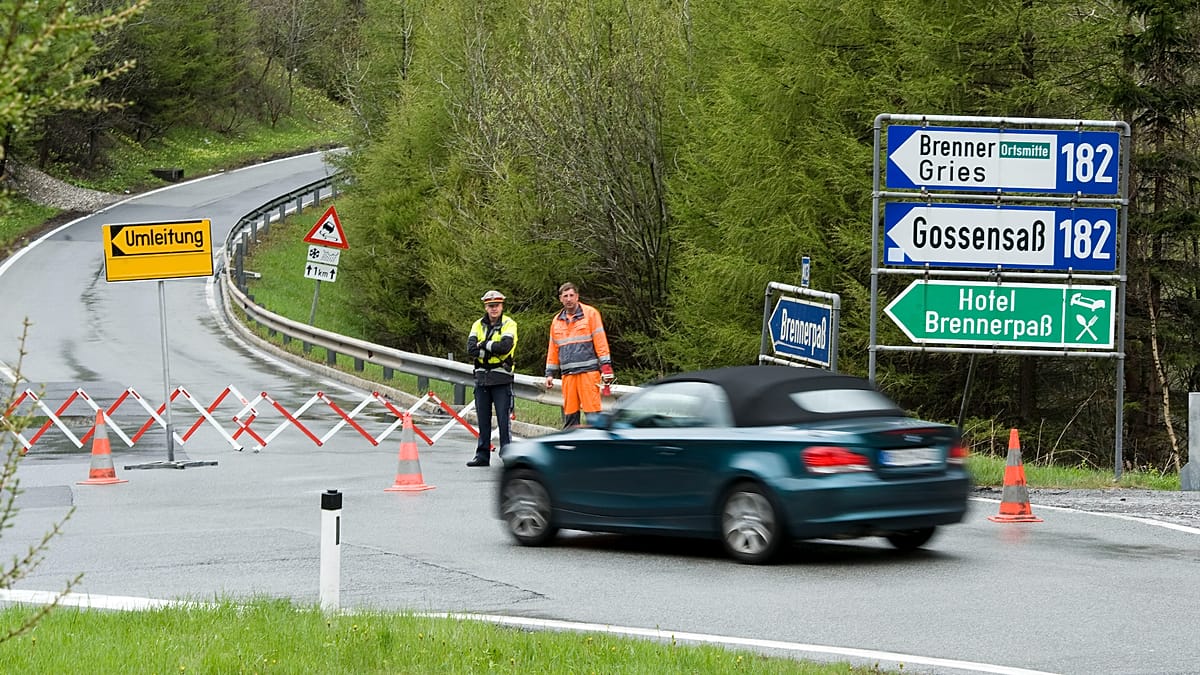
Thousands of protesters shut parts of Austria’s Brenner corridor for eight hours, disrupting one of Europe’s key Germany-Italy transit routes. Authorities closed the A13 Brenner motorway and nearby roads from 11:00 to 19:00 local time, while police and motoring groups warned of major detours and potential traffic jams. The event underscores ongoing political pressure over trans-Alpine freight, tolling, and infrastructure delays, but the immediate market impact is likely limited.
This is less a one-day traffic story than a recurring capacity constraint on the Alpine freight corridor. The second-order implication is that any incremental disruption pushes shippers to pay up for routing optionality: rail intermodal, Swiss transits, and inventory buffers become more valuable, while pure road-centric logistics exposure is pressured by higher dwell times, detours, and labor inefficiency. The market is still underestimating how quickly sporadic protests can compound into a reliability premium for the whole northern Italy / southern Germany supply chain.
The most interesting read-through is to toll-sensitive and time-sensitive freight. If peak-period pricing or enforced diversion becomes more common, the losers are operators with low contractual flexibility and just-in-time manufacturing footprints in Bavaria, Tyrol, and northern Italy; the beneficiaries are rail operators, tunnel operators, and logistics platforms with modal optionality. Over months, even modest route unreliability can shift customer contracts away from the cheapest lane to the most dependable lane, which is a much stickier margin improvement than a single disruption event suggests.
Catalyst risk is political rather than operational. The immediate downside is limited to the protest window, but the tail risk is regulatory escalation: stricter transit bans, more localized exit controls, or a durable peak toll regime that effectively reprices Alpine trucking economics. The contrarian view is that the market may overrate the chance of structural change in Germany/Austria infrastructure; the system has absorbed these shocks before, so the better trade is not on a collapse in traffic, but on a slow, grinding reallocation of freight mix and pricing power toward rail and alternate corridors.
AI-powered research, real-time alerts, and portfolio analytics for institutional investors.
Request TrialOverall Sentiment
mildly negative
Sentiment Score
-0.15
