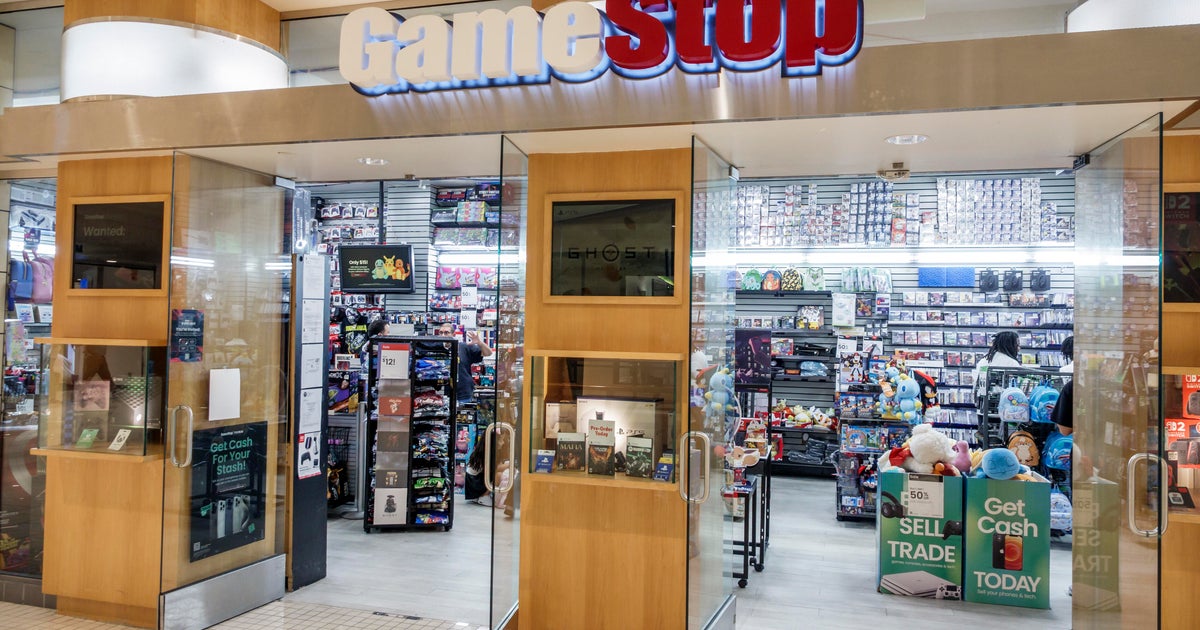
GameStop has предложed to acquire eBay for $55.5 billion, or $125 per share in cash and stock, with TD Securities reportedly committed to provide $20 billion in financing. The offer could become hostile if eBay rejects it, and eBay said it will review the unsolicited proposal. Shares reacted immediately, with GameStop down 2% to $26 and eBay up 5% to $109.72.
This is less about a clean strategic merger and more about a control contest that could expose a valuation gap between a cash-generative marketplace and a narrative-driven buyer. The near-term winner is the target’s stock, but the more interesting effect is on GME: management is effectively using balance-sheet optionality and retail notoriety to buy time, yet any serious pursuit would likely force dilution or leverage that the market has not priced as durable. If the financing package is real, the market will quickly shift from “can they bid?” to “what are they willing to overpay for,” which is where this becomes a governance and capital allocation test rather than a simple M&A story. The second-order pressure point is AMZN, not because this changes Amazon’s business immediately, but because the strategic rationale is to turn a generic marketplace into a more differentiated, higher-conviction commerce network around collectibles and long-tail inventory. If that narrative gains traction, it increases competitive pressure on Amazon’s third-party ecosystem and could push more category-specific marketplaces to defend their niches with lower fees, better seller tools, or M&A of their own. The broader read-through is that asset-light marketplace quality is being repriced relative to legacy retail execution, which supports a premium multiple for best-in-class platforms and a discount for undisciplined acquirers. Contrarian take: the market may be underestimating how hard it is to integrate a turnaround merchant with a scaled marketplace and still preserve trust on either side. The hostile-bid framing raises the odds of a protracted process, which means the optionality value lives over months, not days, while headline risk can easily reverse the move if financing terms wobble or the board forces a higher price. For GME, the key risk is that investors confuse strategic ambition with value creation; for EBAY, the key risk is that a drawn-out battle temporarily floors the stock while distracting from operating momentum. The cleanest trade here is to fade the acquirer strength, not the target pop, because the target has cash takeout characteristics while the acquirer is paying up for uncertainty. If the bid is pursued aggressively, GME becomes a volatility event with asymmetric downside from any deal disappointment or equity issuance, whereas EBAY retains downside support from strategic value and bid optionality. RDDT is a small indirect beneficiary only if retail speculation broadens again, but that effect is more sentiment-driven than fundamental.
AI-powered research, real-time alerts, and portfolio analytics for institutional investors.
Request DemoOverall Sentiment
mildly positive
Sentiment Score
0.32
Ticker Sentiment
