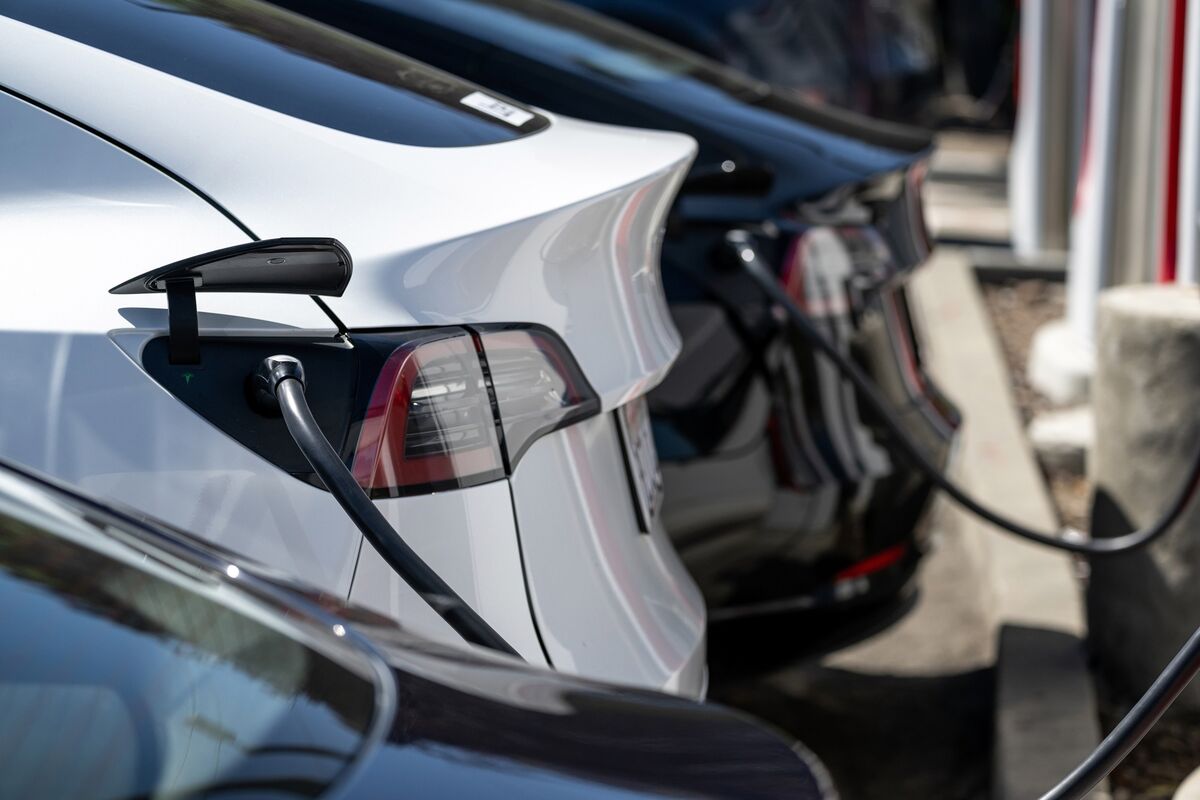
California Governor Gavin Newsom announced the state will not replace the expiring $7,500 federal electric vehicle (EV) tax credit, reversing an earlier pledge to reinstate state subsidies. This decision, attributed to the state's inability to financially offset the federal incentive, signifies a significant reduction in direct purchase incentives for EV buyers in California, with the state instead focusing on expanding EV infrastructure.
California's decision to not replace the expiring $7,500 federal electric vehicle (EV) tax credit represents a significant policy reversal and a material headwind for the EV market. Governor Gavin Newsom's announcement confirms that the state, a critical market for EV sales in the U.S., will not backfill the consumer incentive, citing an inability to financially compensate for the federal policy change. This removal of a major purchase subsidy will directly increase the net cost for consumers, likely dampening near-term demand for EVs. The state's strategic pivot from direct-to-consumer subsidies towards expanding EV infrastructure, while positive for long-term adoption, does not offset the immediate negative impact on vehicle affordability and sales volumes. The strongly negative sentiment signal (-0.6) associated with this news underscores market concern that this development will negatively affect automakers' sales forecasts in their largest state market.
AI-powered research, real-time alerts, and portfolio analytics for institutional investors.
Request DemoOverall Sentiment
strongly negative
Sentiment Score
-0.60
