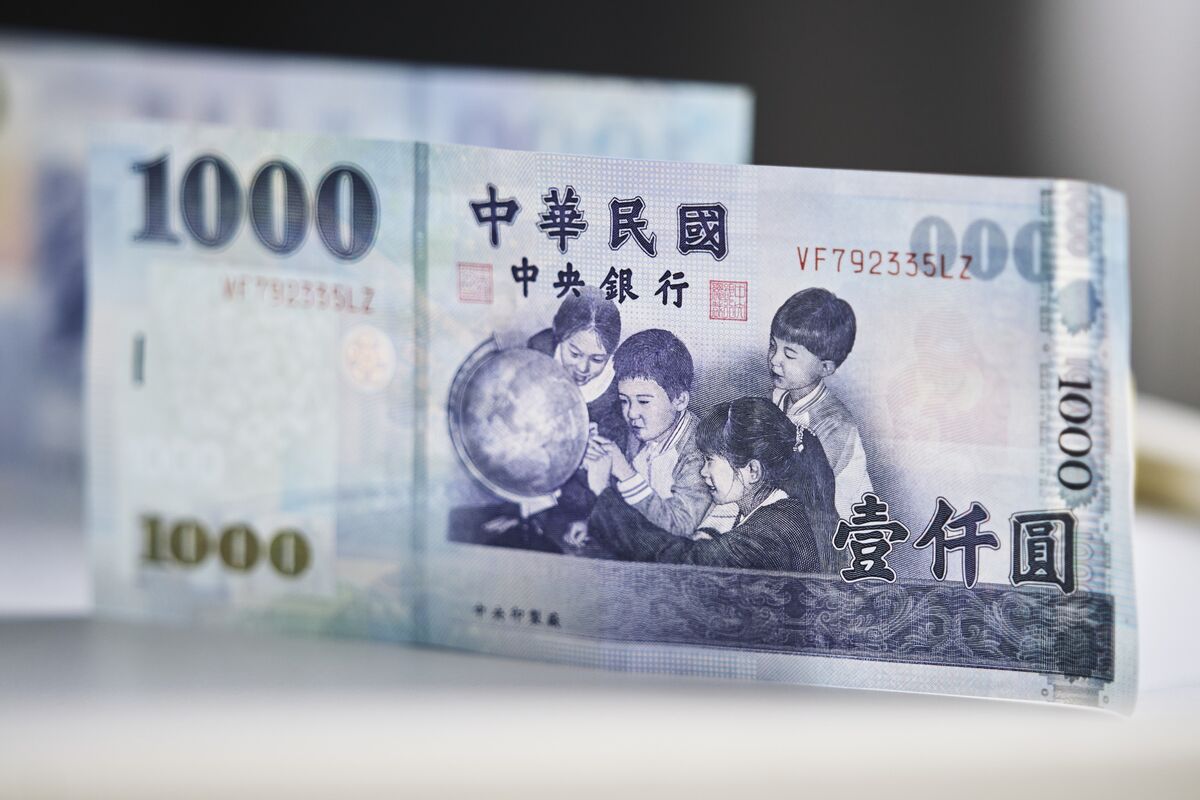
The Taiwan dollar strengthened by as much as 0.4% against the greenback, reaching 31.02, following a joint statement by Taiwan's central bank and the U.S. Treasury. The agreement commits Taiwan to avoid manipulating exchange rates for competitive advantage, signaling a shift that has positively impacted the currency's value.
The Taiwan dollar (TWD) experienced a significant appreciation, climbing 0.4% to 31.02 against the U.S. dollar, marking its largest single-day gain in nearly three weeks. This movement directly followed a joint statement by Taiwan's central bank and the U.S. Treasury, committing to abstain from exchange rate manipulation for competitive advantage. The agreement signals a policy shift aimed at fostering fair competition within the international monetary system.
This commitment by Taiwan's central bank suggests a move towards a more market-determined exchange rate regime, reducing the likelihood of future intervention to weaken the currency. The immediate positive market reaction, reflected in the TWD's strengthening, indicates investor confidence in Taiwan's adherence to international trade norms and reduced trade friction with the U.S.
The agreement, classified under Monetary Policy and Trade Policy themes, could enhance Taiwan's standing in global financial markets. While the immediate market impact is moderately positive, the long-term implications depend on consistent adherence to the non-manipulation pledge. This development sets a precedent for other economies under similar scrutiny regarding currency practices.
AI-powered research, real-time alerts, and portfolio analytics for institutional investors.
Request DemoOverall Sentiment
moderately positive
Sentiment Score
0.50
