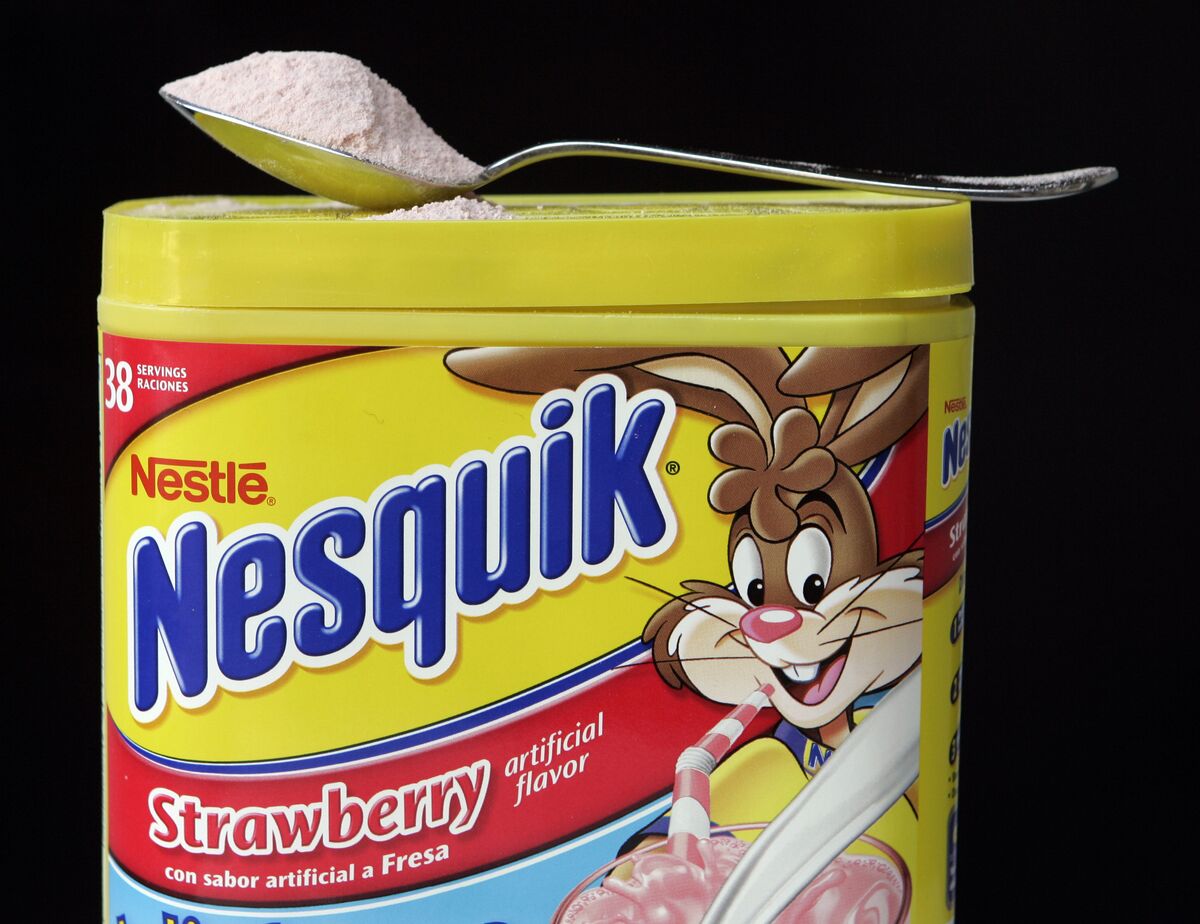
Major food manufacturers Nestlé SA and Conagra Brands Inc. are moving to eliminate synthetic dyes from their US product portfolios, signaling a growing industry response to Robert F. Kennedy Jr.'s initiative. Nestlé, which currently has dyes in less than 10% of its US products, plans to complete this removal by mid-2026. This trend suggests increasing pressure on food companies to reformulate products, potentially impacting ingredient suppliers and broader industry standards for food additives.
Major food manufacturers Nestlé SA and Conagra Brands, Inc. (CAG) are proactively eliminating synthetic dyes from their U.S. product lines, a direct response to a regulatory initiative led by Health and Human Services Secretary Robert F. Kennedy Jr. This move signals a significant industry trend toward product reformulation. Nestlé has committed to a mid-2026 deadline for the removal, a manageable transition given that less than 10% of its U.S. portfolio currently contains these additives. The slightly positive sentiment score for Conagra (0.3) suggests the market perceives this as a favorable strategic pivot, likely reducing long-term regulatory risk and aligning the brand with health-conscious consumer preferences. However, the low overall market impact score of 0.25 indicates that this is viewed as an incremental operational adjustment rather than a major short-term financial catalyst, reflecting a gradual shift in industry standards for food additives.
AI-powered research, real-time alerts, and portfolio analytics for institutional investors.
Request DemoOverall Sentiment
neutral
Sentiment Score
0.00
Ticker Sentiment
