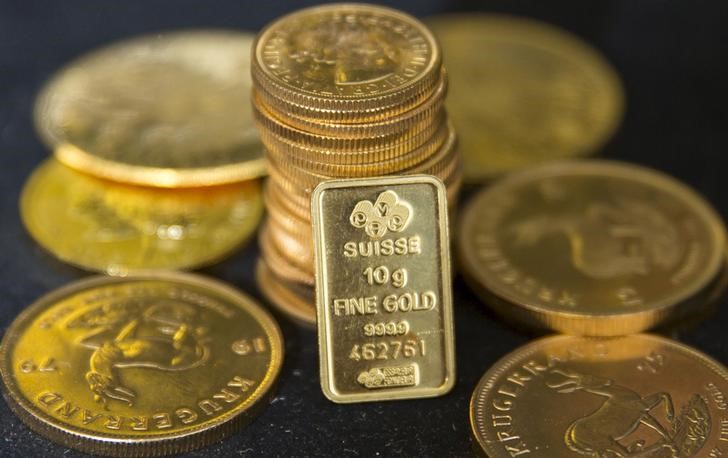
Spot gold was little changed at $4,729.18/oz and U.S. gold futures rose to $4,738.00/oz as markets weighed a fragile U.S.-Iran ceasefire and looming Trump-Xi talks. Elevated oil prices on Strait of Hormuz supply fears, plus anticipation of U.S. CPI data and the Fed rate path, are supporting a cautious, risk-off backdrop for bullion. The dollar index rose 0.2%, while silver gained 0.2% to $86.31/oz and platinum fell 1.7% to $2,098.76.
The bigger setup is not simply “gold up on geopolitics,” but a cross-asset squeeze where higher energy, a firmer dollar, and sticky rates all compete with the safe-haven bid. That combination tends to favor miners with low all-in sustaining costs and balance-sheet flexibility more than the metal itself; if inflation prints hot, the market will likely re-rate real-yield exposure before it re-prices the geopolitical premium. In that regime, the trade is less about direction and more about which gold-linked businesses can fund growth without needing a lower rate path.
The second-order winner from a sustained risk-off / inflation-higher mix is not obvious commodity beta but companies with hard-asset inflation linkage and operational leverage to power prices. For compute-heavy names like SMCI and APP, the risk is margin multiple compression if rates stay higher for longer: their narratives depend on long-duration growth being discounted at tolerable real yields. A persistent oil shock also raises data-center and ad-tech infrastructure costs indirectly through electricity and cooling, which can pressure future free cash flow assumptions even if top-line demand remains intact.
The contrarian miss is that the gold move may be closer to a positioning squeeze than a durable macro break. If the CPI comes in soft or the Trump-Xi meeting lowers tail-risk, gold could mean-revert quickly because the market has already paid up for geopolitical insurance; the downside would likely be most acute in the most crowded safe-haven proxies. Conversely, if the Strait of Hormuz risk escalates, the reaction should show up first in energy volatility and inflation breakevens, not in bullion alone, which argues for trading the macro transmitters rather than chasing spot gold here.
AI-powered research, real-time alerts, and portfolio analytics for institutional investors.
Overall Sentiment
neutral
Sentiment Score
-0.05
Ticker Sentiment
