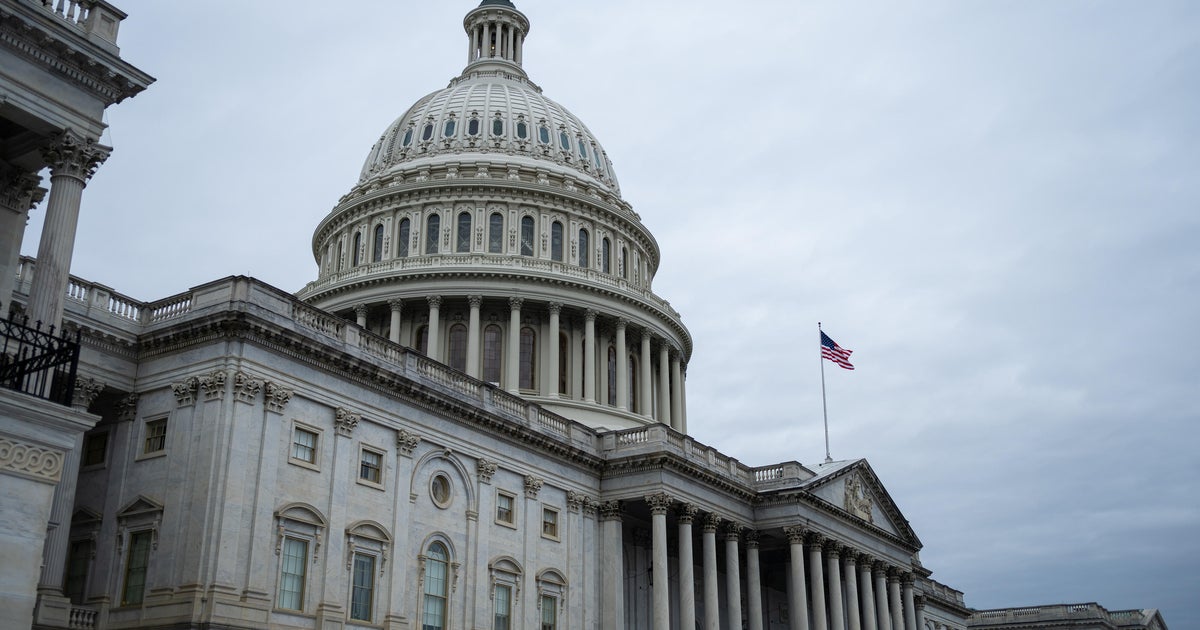
Congress failed to enact six remaining appropriations bills, causing funding for multiple federal agencies to lapse at 12 a.m. and prompting a partial government shutdown; the Senate approved a five-bill package and a two‑week continuing resolution for DHS, but the House must act when it returns Monday. Key unfunded departments include Defense, State, Labor, HHS, Education, Transportation, HUD and Treasury/IRS, while six appropriations already enacted cover VA, Agriculture, FDA, Commerce, Justice, NASA, NSF, Energy, Interior and EPA through September. The lapse is expected to be short if the House approves the package, but risks near‑term operational disruptions (notably aviation and essential worker pay) and political uncertainty around DHS immigration reforms.
Market structure: A 48–72 hour partial lapse centered on DHS/DoD/Transportation creates asymmetric, short-lived winners (Treasuries, cash, large defense primes with backlog) and losers (airlines, small/mid‑cap federal contractors, travel leisure). Expect near-term revenue/timing shocks for contractors reliant on prompt contract draws and for airlines/airports if FAA/air traffic staffing frictions re-emerge; pricing power of legacy carriers is weakened if cancellations rise, favoring large-cap balance-sheet winners. Cross-asset: short-dated risk‑off should push front-end Treasuries lower in yield (bid for T-bills/TLT), lift the USD slightly, raise implied vol in airline/transportation equities and modestly support gold/crude tail‑safe bids if shutdown >1 week.
Risk assessment: Immediate (days) risk is operational — flight disruptions, contractor cash squeezes; short-term (weeks) risk is delayed government payments causing missed revenue for 1Q: expect 1–3% revenue volatility for 15–25% government‑dependent small caps. Tail scenario (>2–4 weeks) could shave ~0.1–0.3 percentage points off quarterly GDP and force larger fiscal/policy headlines; hidden dependency: subcontractor payrolls and municipal reimbursements can cascade into credit stress for high‑leverage small caps. Key catalysts: House vote timing (within 72 hours) and any new incidents that re-politicize DHS negotiations.
Trade implications: Favor 1–3% tactical allocations to front‑run defensive safe‑havens (TLT, XLU) and buy short‑dated protection on airlines (AAL/UAL) and small government contractors (SAIC, BAH) via 4–6 week put spreads sized to risk 0.5% portfolio each. Pair trades: long LMT/RTX (2% each) vs short SAIC/BAH (1–1.5%) to capture relative balance‑sheet resilience; use calendar/put spreads to limit premium outlay if resolution arrives within 3–7 days. Entry: act within 48 hours; exit or trim 50–100% if House passes funding or IV falls >30% from entry.
Contrarian angles: Markets are pricing a quick fix; that consensus underestimates operational second‑order hits to small contractors and regional airline cashflows if funding ticks into 2+ weeks. Reaction may be underdone in short‑dated options — IV for airlines likely to reprice higher quickly on any FAA staffing headlines, creating cheap long‑dated hedges if shutdown extends. Historical parallels (2023–24 large shutdowns) show shallow equity declines but concentrated credit stress in government‑exposed small caps — seek dislocations there rather than broad market hedges.
AI-powered research, real-time alerts, and portfolio analytics for institutional investors.
Request DemoOverall Sentiment
mildly negative
Sentiment Score
-0.25
