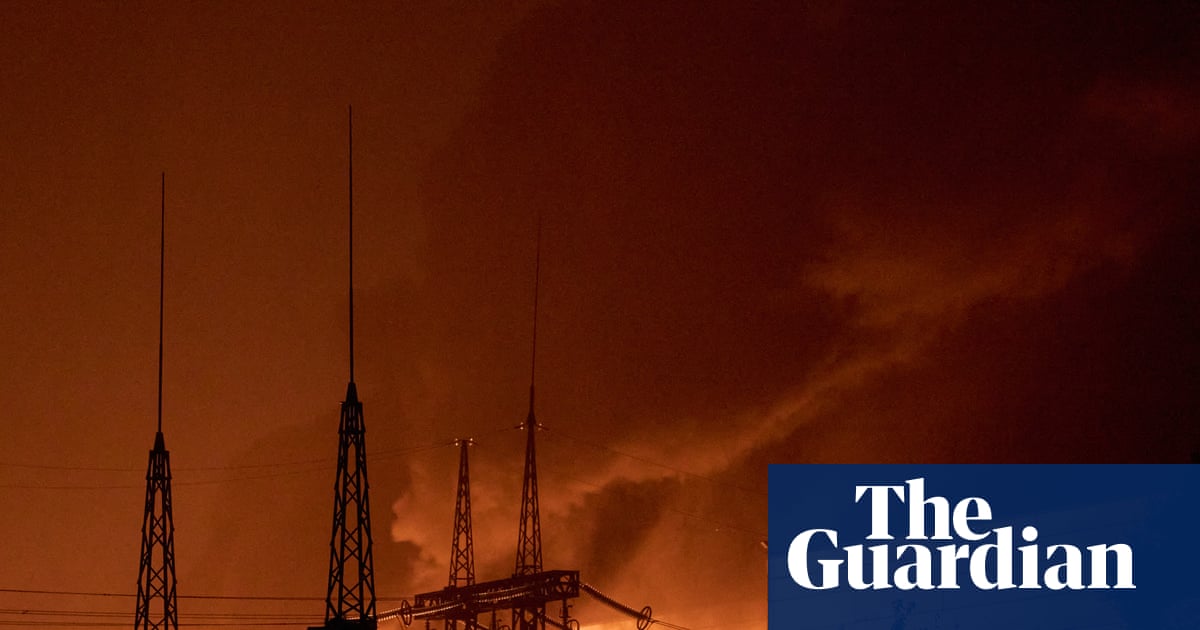
Greece has finalized a deal to supply US-origin liquefied natural gas (LNG) to Ukraine from December until March 2026, bolstering Kyiv's energy security amid ongoing Russian strikes on its infrastructure, which recently included a refinery in Russia's Samara region. Concurrently, Ukrainian President Zelenskyy announced a significant overhaul of the country's energy sector, including a management change at nuclear operator Energoatom, following a $100 million kickback scandal, aiming to improve governance and investor confidence. Separately, Greenpeace highlighted France's continued practice of sending reprocessed uranium to Russia for treatment, underscoring complex European energy dependencies despite the conflict.
The Greece-Ukraine agreement to supply US-origin liquefied natural gas (LNG) from December until March 2026 represents a critical step in bolstering Ukraine's energy security, particularly ahead of winter and amidst persistent Russian strikes on its energy infrastructure, such as the recent damage to a solar power plant in Odesa. This deal underscores a broader regional effort to strengthen energy cooperation and reduce reliance on Russian supplies.
Concurrently, Ukrainian President Zelenskyy announced a significant overhaul of the nation's energy sector, including a complete management change at nuclear operator Energoatom, following a $100 million kickback scheme. This initiative aims to improve governance and transparency, potentially enhancing long-term investor confidence in Ukraine's critical infrastructure. However, the conflict's intensity remains high, evidenced by reported Russian advances in Zaporizhzhia and Ukrainian strikes on Russia's Novokuibyshevsk refinery.
Further complicating the European energy landscape, Greenpeace highlighted France's continued practice of sending reprocessed uranium to Russia for treatment, a legal but ethically contentious trade amidst calls for increased sanctions. This situation reveals the intricate dependencies within the European energy supply chain and the challenges in fully isolating Russia economically. The overall sentiment remains mixed, reflecting both strategic energy diversification efforts and persistent geopolitical risks.
AI-powered research, real-time alerts, and portfolio analytics for institutional investors.
Request DemoOverall Sentiment
mixed
Sentiment Score
0.00
