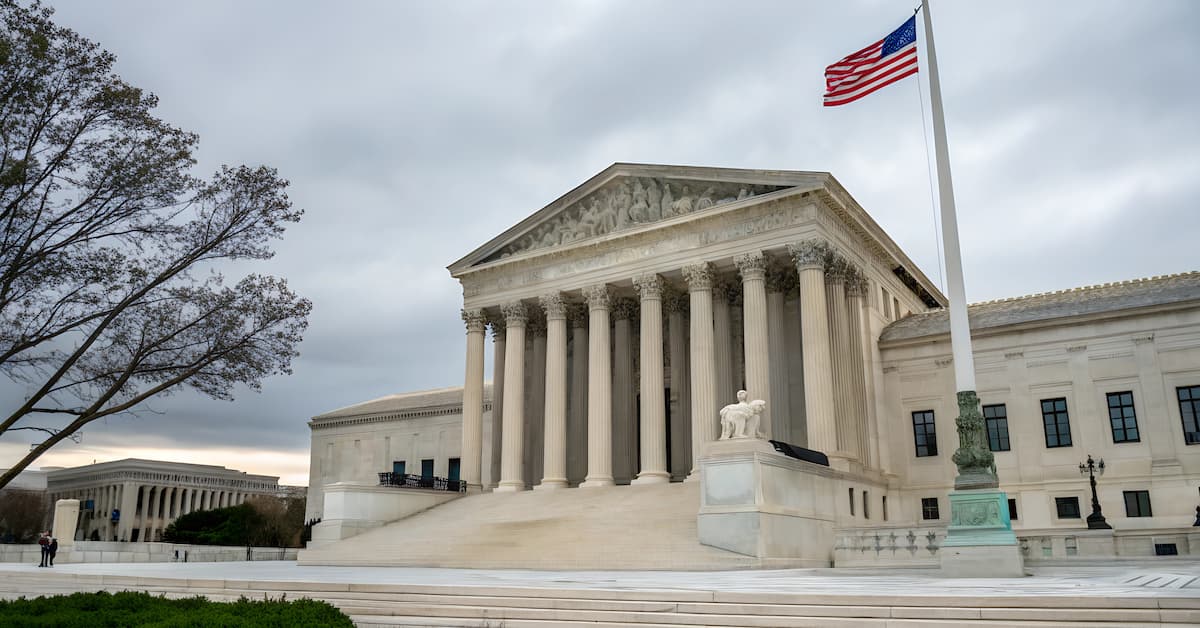
A unanimous 9–0 US Supreme Court ruling narrowed ISP copyright liability, holding providers liable only if their services were designed for unlawful activity or they actively induced infringement, and spared Cox Communications from roughly $1bn in potential exposure. The decision clarifies that mere knowledge of user infringement is insufficient and may reshape copyright litigation strategies by shifting emphasis to defendants' intent and product design. Important implication: plaintiffs in generative AI suits may now argue models are 'tailored for' infringing, author-like output, creating a new litigation front even as overall ISP/tech liability risk may be constrained under the new standard.
The ruling's practical leverage is that plaintiffs will pivot from single-act copying claims to business-model and product-design arguments; that changes litigation from a narrow damages calculus into a sustained commercial negotiation over licensing, indemnities and product architecture. Expect vendors to respond by (a) re-architecting models toward retrieval-augmented workflows and citation-first outputs, and (b) building contractual indemnities or paying for pre-emptive catalogs — both raise marginal costs and slow product velocity for smaller players.
Second-order winners will be deep-pocketed cloud providers and platform owners that can monetize increased RAG compute, storage and fine-tuning (higher recurring revenue) and offer indemnified managed LLM services; losers are pure-play model hosts and startups that lack balance sheets to absorb protracted legal exposure or to underwrite publisher deals. Insurance and IP-licensing intermediaries should see new demand — expect brokered royalty frameworks and revenue-sharing pilots to emerge within 6–18 months as the market seeks standardized templates.
Catalysts and timing are concentrated: short-term (weeks–months) will be focused on filings and preliminary injunctions that set sample-case precedent; medium-term (6–24 months) will be when negotiated licensing markets and enterprise indemnities either form or fail to, which is the real value-deriver for platforms. Tail risks include legislative fixes or adverse district court rulings that would either re-open strict-liability pathways or force broad compulsory licensing; those outcomes would re-rate both licensors and builders in opposite directions.
AI-powered research, real-time alerts, and portfolio analytics for institutional investors.
Request DemoOverall Sentiment
neutral
Sentiment Score
0.00
Ticker Sentiment
