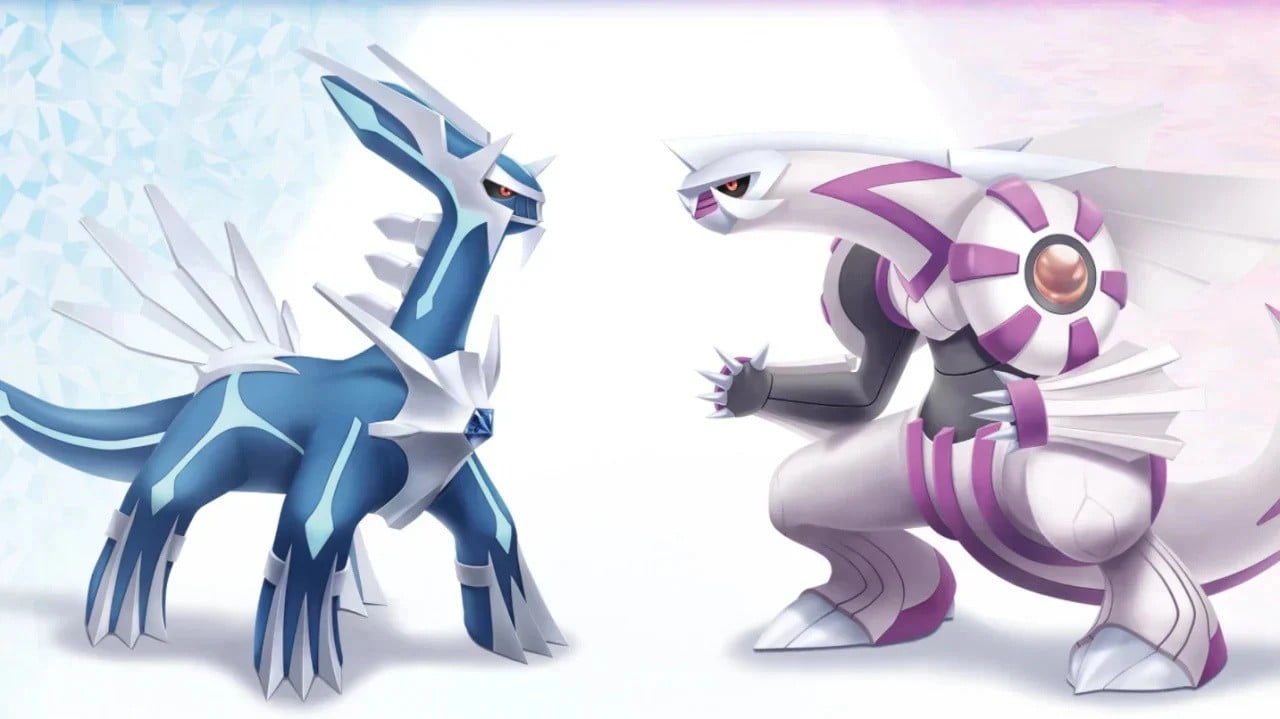
Nintendo released Switch 2 system firmware 21.2.0, resolving compatibility crashes for Pokémon Brilliant Diamond and Shining Pearl and adding full support for Cats on Duty, while noting an audio issue remaining for Kirby's Return to Dream Land Deluxe. The update reduces user experience friction on the new hybrid console and is a modestly positive operational development for Nintendo’s platform stability, but is unlikely to have material near-term financial impact.
Market structure: The firmware fix is a positive idiosyncratic shock for Nintendo (Nintendo Co., 7974.T / NTDOY) because it reduces returns/complaints and preserves Switch 2 software attach rates; expect a modest improvement in near-term revenue realization (software sales +1–3% over next 6–12 months if consumer confidence normalizes). Winners: Nintendo, first-party publishers, digital eShop receipts and select middleware/tooling vendors; losers: third-party ports with poor QA who may face negative reviews and higher refund rates. Cross-asset: equity volatility on NTDOY should compress short-term; JPY moves negligible (<1%) unless a sustained rally in Japanese tech names emerges; bond markets unaffected outside broader risk-on shifts.
Risk assessment: Tail risks include a broader OS-level defect triggering recalls/class actions (low-probability but >$500M exposure to Nintendo over 12 months), supply-chain shortages creating unmet demand, or mass negative coverage that dents adoption; monitor customer-return metrics and Nintendo’s warranty provisions. Time horizons: immediate (days) — sentiment bounce; short-term (weeks/months) — lower refund rates and steadier software revenue; long-term (quarters) — measurable attach-rate and lifetime revenue effects. Hidden dependencies: third-party developer tools/SDKs and eShop refund policy changes; catalyst watchlist: Nintendo quarterly results, holiday sell-through data, and the compatibility page updates.
Trade implications: Tactical allocation: favor a small, conviction-weighted long in Nintendo (2–3% of equity sleeve) for 6–12 month upside (target 15–30% IRR) while using option structures to cap downside. Relative value: long Nintendo vs. short a broadly diversified console peer (e.g., SONY 6758.T) for 3–12 months to express better ecosystem retention from Switch 2; use delta-neutral sizing to limit platform exposure. Options: implement a 6-month 15%–30% OTM call spread on NTDOY to capture upside with defined cost; consider buying 3–6 month puts as cheap tail hedges if firmware problems re-emerge.
AI-powered research, real-time alerts, and portfolio analytics for institutional investors.
Request DemoOverall Sentiment
neutral
Sentiment Score
0.10
Contrarian angles: The market may under-appreciate stickiness benefits — resolving early compatibility bugs can raise lifetime value per console by ~2–5% as fewer refunds and higher digital attach compound over years. Conversely, the fix could be treated as non-event by investors focused on hardware units — if so, short-term price reaction may be muted and the trade is underpriced. Historical parallel: early Xbox/PS firmware teething issues eventually had minimal long-term sales impact but temporarily inflated volatility — use that window for asymmetric option entries. Unintended consequence: aggressive backwards-compatibility expectations could force ongoing costly patches, pressuring margins if persistent.
