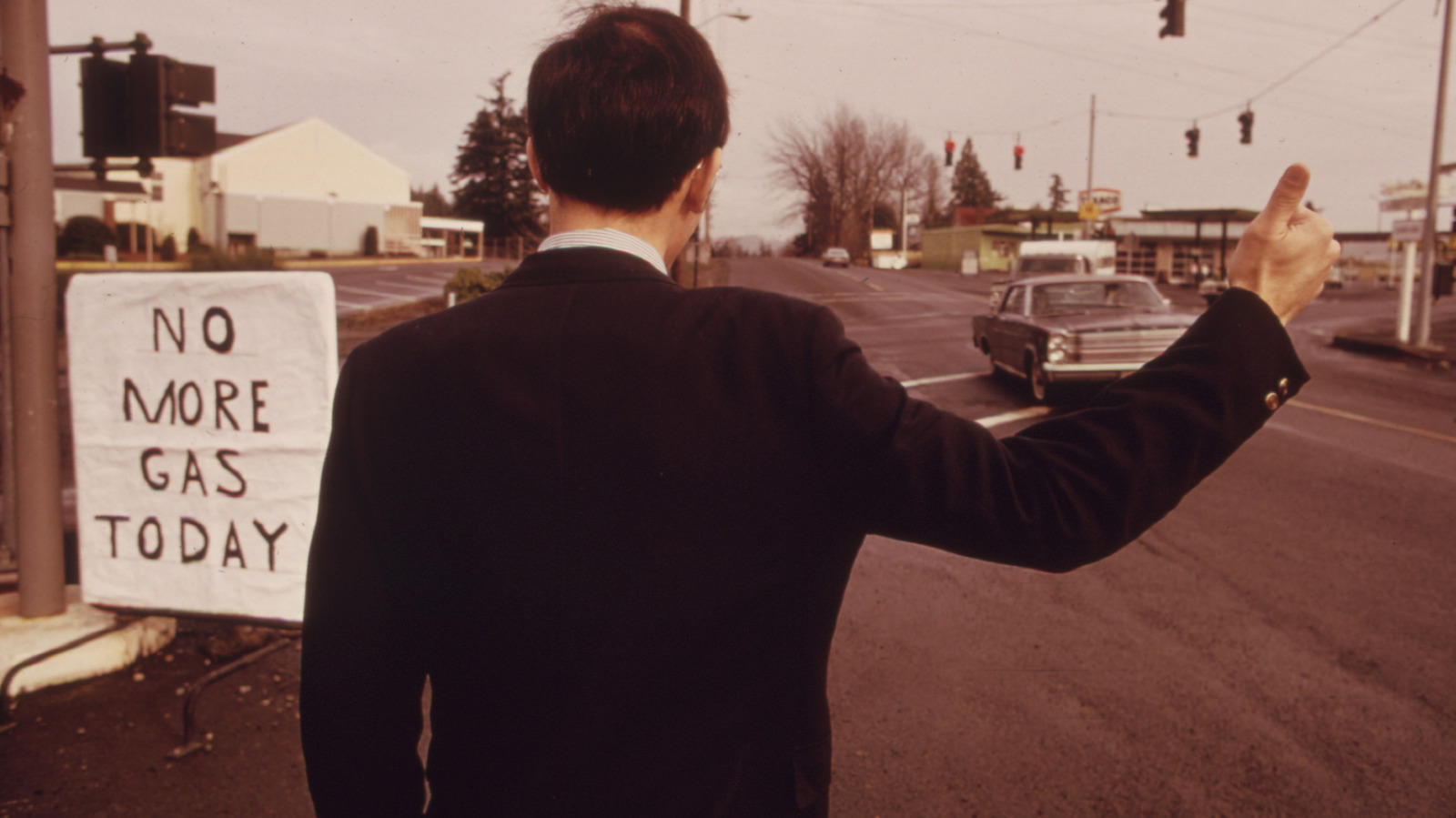
Chevron CEO Mike Wirth warned that the closure of the Strait of Hormuz could trigger a 1970s-style oil shortage, with more than 20% of global oil flows at risk and strategic reserves already being drawn down. Brent crude is cited at $111 per barrel, after peaking near $130 in early April, while California reportedly has only four to six weeks of gasoline and diesel reserves. The article argues that Asia would be hit first and hardest, with higher fuel prices likely to pressure inflation, consumer demand, airlines, and the broader global economy.
The immediate winners are not just upstream producers, but anyone with optionality on dislocated physical barrels: Gulf Coast refiners with access to domestic crude, pipeline/logistics operators, and tankage/storage names. The first-order surge in crude can still mask a second-order squeeze in product markets, where diesel and jet fuel shortages hit harder than headline Brent because refining capacity cannot reconfigure fast enough. That sets up a barbell: energy equities and freight-sensitive assets can diverge sharply from the broad market even if commodity inflation looks like a temporary macro shock. The biggest loser is transportation, but the more interesting short is anything with weak pricing power and high fuel sensitivity: airlines, trucking, package delivery, and small-cap industrials that cannot pass through surcharges quickly. If the shock persists beyond a few weeks, it will also pressure consumer discretionary and lower-end retail through real income compression, which is more dangerous than the headline CPI move because it hits volume, not just margins. Credit spreads in fuel-intensive sub-sectors can gap wider before earnings revisions fully show up. The key catalyst is not whether oil stays elevated for one session, but whether policymakers can credibly reopen flows or substitute supply within 30-60 days. If strategic reserve releases are front-loaded, the market may initially overestimate relief while physical differentials stay tight; that is the window where equities tied to spot exposure can outperform while the broader market begins to price demand destruction. Conversely, a diplomatic opening or a rapid ceasefire would crush the call on crude faster than the equity response unwinds, leaving crowded longs vulnerable. The contrarian point is that a true 1970s repeat is unlikely unless the disruption lasts into multiple quarters; modern inventories, logistics flexibility, and demand elasticity are higher than the article implies. That means the best trade may be relative value, not outright panic positioning: long producers and infrastructure, short fuel-intensive cyclicals, while fading the most extreme tail-risk claims once inventories and import rerouting become visible in the data.
AI-powered research, real-time alerts, and portfolio analytics for institutional investors.
Request DemoOverall Sentiment
strongly negative
Sentiment Score
-0.82
Ticker Sentiment
